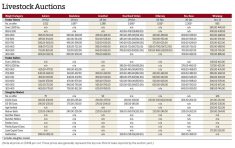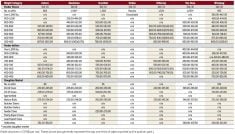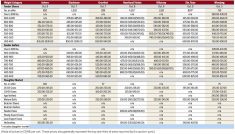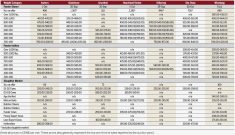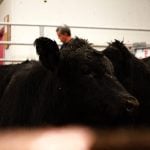
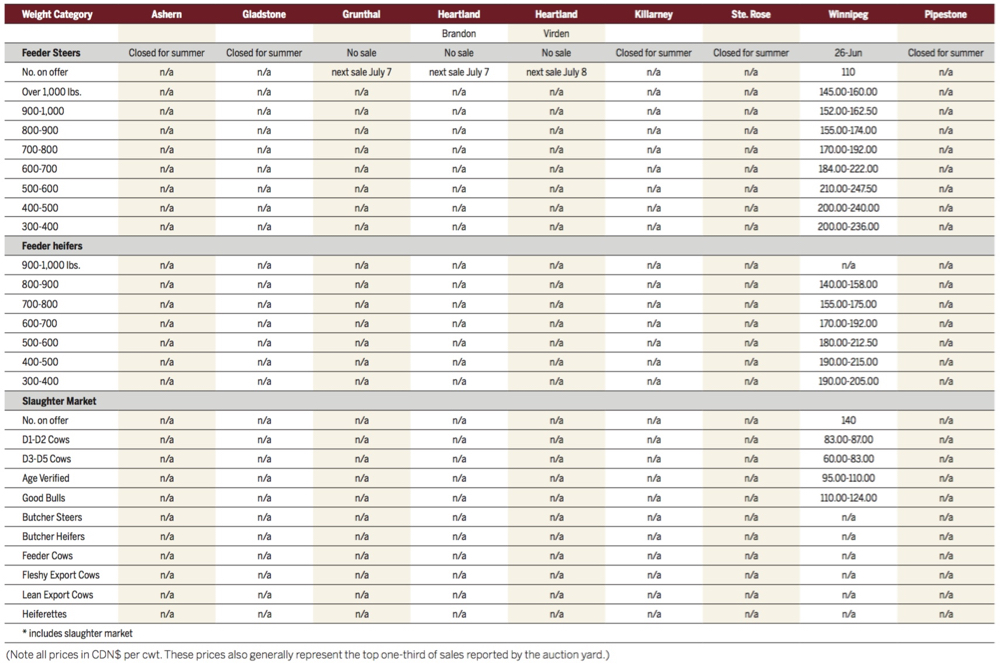
Cattle auctions in Manitoba were quiet during the week ended July 3, with any yard not already closed for the summer taking the week off for Canada Day. Cattle futures in the United States moved higher during the week amid signs of a global economic recovery.
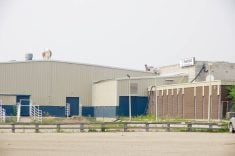
The cattle industry is showing some signs of stabilizing after the COVID-19 pandemic forced slaughterhouse closures and a reduction in how many cattle were being processed earlier in the spring.
“Since the major slowdown, it’s been generally positive as to how the plants have recovered,” said analyst Brian Perillat of Canfax. “They’re getting very close to where they were pre-COVID in terms of what their daily slaughter is.”
Read Also
Winterkill threat minimal for Northern Hemisphere crops
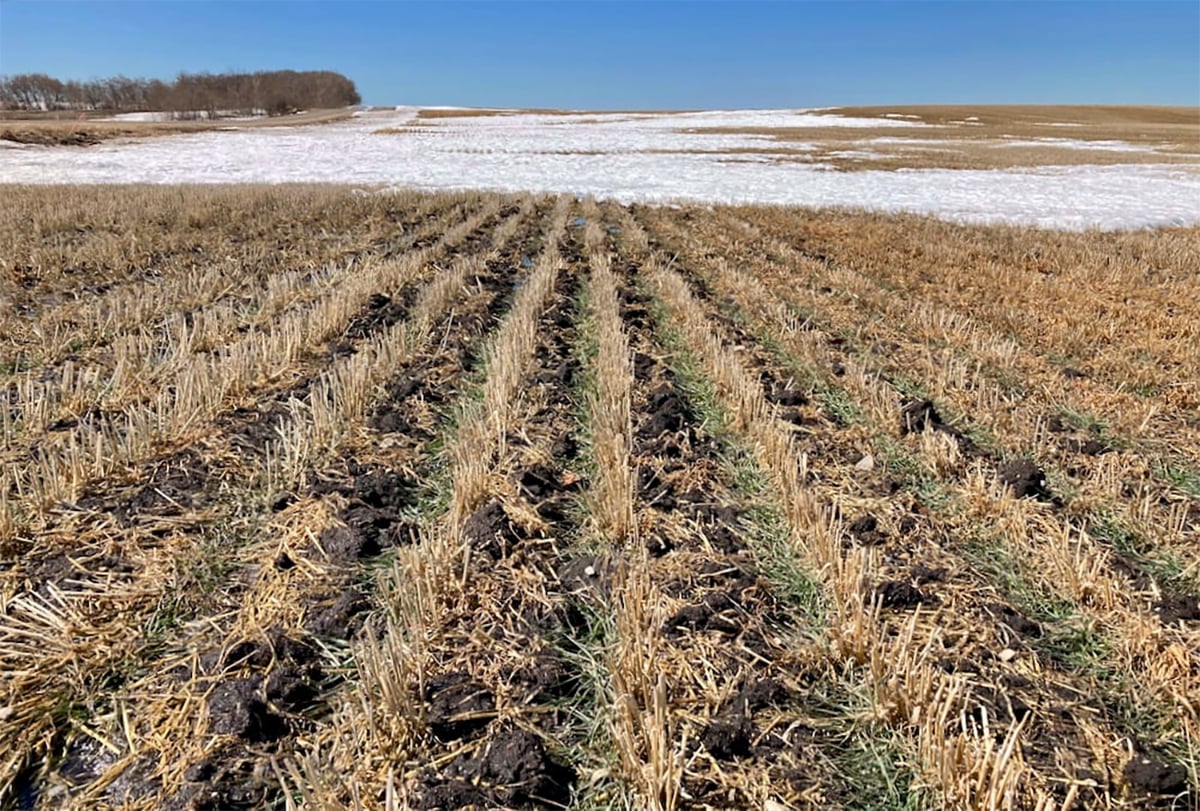
The recent cold snap in North America has raised the possibility of winterkill damage in the U.S. Hard Red Winter and Soft Red Winter growing regions.
However, while they were closed, “we probably backed up close to 130,000 head of fed cattle,” he said. While the processors are now killing at similar levels to where they were a year ago, they aren’t necessarily working through the backlog.
“The backlog isn’t growing anymore, but it will take a long time to work through all of those… and fed cattle prices are down significantly,” Perillat said.
Fed cattle at the $1.20-per-pound level are at their lowest in eight to nine years, which means feedlots are taking on significant losses at those prices.
But all things considered, feeder cattle prices are not too bad, and are above the year-ago levels in many cases. Most areas of Western Canada have good grass conditions, which allowed more animals to go out to grass and delayed some placements of feeder cattle, said Perillat.
He was hopeful that the industry would work through more of the backlog of fed cattle over the summer, which would help support the feeder market when those animals out on grass come to the auctions in the fall.
While current market signals and conditions would point to an improvement in prices by late 2020 or into 2021, that hinges on no second wave of the pandemic or other factors that would close slaughterhouses again.
Questions of demand add to an air of uncertainty, Perillat said, as the economic implications of the pandemic are still being felt.