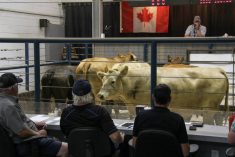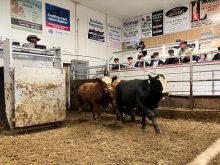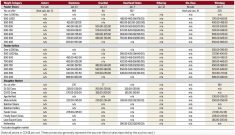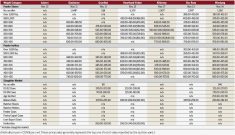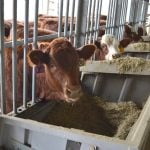
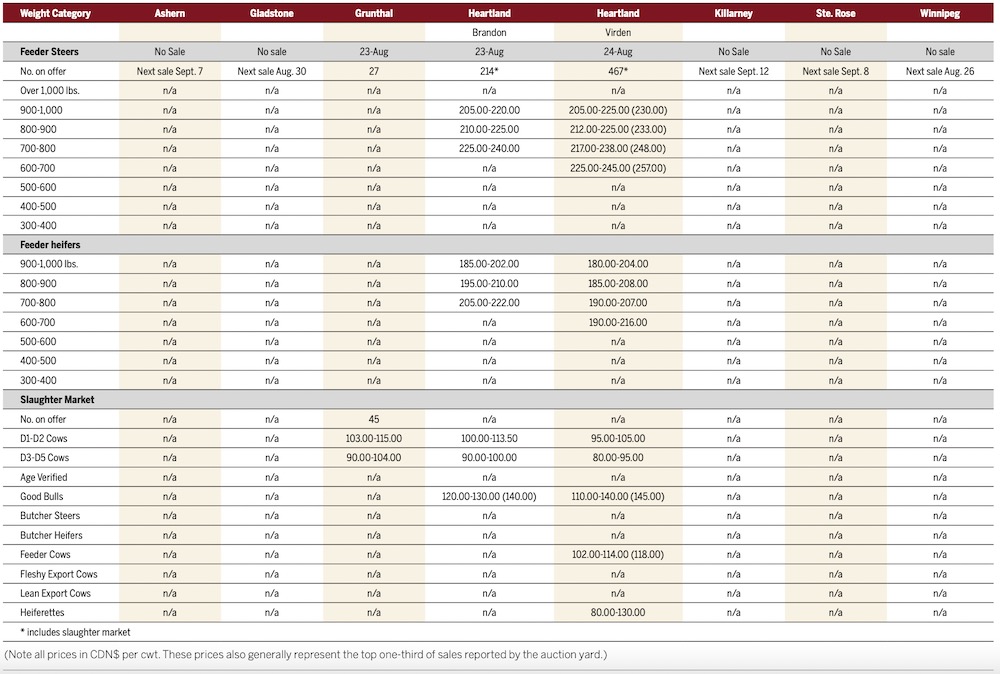
The week ended Aug. 25 marked the beginning of the unofficial end of summer for cattle auction sites in Manitoba.
Grunthal Livestock Auction Mart, as well as the two Heartland Livestock Services facilities at Brandon and Virden, hosted regular sales during the week, with 753 cattle moving through the rings. On Aug. 30, Gladstone Auction Mart will host its first regular auction since the summer break while Ashern, Killarney and Ste. Rose will resume operations in September. Winnipeg Livestock Sales did not host a sale last week.
As summer ends, cattle prices continue to show strength.
Read Also
Manitoba Bill 15 offers right to repair hope for farmers
Manitoba farmers want to be able to fix their own equipment; the recently introduced Bill 15 may lay groundwork for that to happen.
“We didn’t have a whole pile of yearlings this week, but we’ve definitely seen the yearling market be very, very strong again,” said Virden general manager Brennin Jack. “Cows and bulls were steady during the week, but the yearling market might’ve been a little bit stronger.”
Jack added that pastures and hay are faring well in the Virden area, although grasshoppers caused damage in some fields. Cattle sold at the auction are being moved to other parts of Western Canada, as well as Eastern Canada and the U.S.
On the Chicago Mercantile Exchange, live and feeder cattle futures are coming off recent highs. The October live cattle contract closed at US$143.65 per hundredweight on Aug. 25, eight days after reaching a four-month high of $146.25. The October feeder cattle contract closed at $185.525 per cwt. on Aug. 25 after hitting a seven-year high of $190.20 on Aug. 17.
“With everything the way it looks right now, it’s sure trending like it’s going to be very, very strong, which will be good to see,” Jack said.
Statistics Canada released its livestock estimates report on Aug. 23, evaluating the effect of last year’s drought on cattle numbers. On July 1, Canadian farmers had 12.3 million cattle and calves, the lowest number recorded since 1988. The total is down 2.8 per cent from the year before, for the largest decline in seven years.
In total, there were 9.5 million head in Western Canada, with 1.005 million in Manitoba alone, representing a 75,000 head (6.9 per cent) decline in the province from the year before. It is the largest year-by-year decline in Manitoba since 2007.
Due to rising beef demand in the U.S. and Japan, Canadian cattle and calf slaughter from January to June 2022 was up 2.5 per cent from the same period in 2021 and reached its highest level since 2010.
Inventories of cattle and calves were reported in 72,685 Canadian farms on July 1, a two per cent decline from one year before. StatsCan said the number of cattle farms has declined since 2004 due to business consolidations.