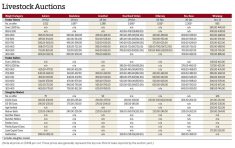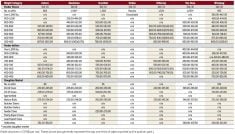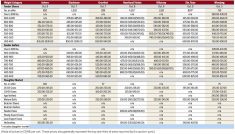

The back-to-school season also saw the doors open at a few more Manitoba cattle auction yards during the last week of August, but activity won’t really pick up until late September as the nearby attention focuses on the grain harvest.
“We’re probably a couple of weeks away from seeing any kind of volume,” said Rick Wright of Heartland Order Buying Co. at Virden, noting most producers were busy with the grain harvest and haying. “So the cattle are taking a secondary priority level.”
However, he expected the cattle may start to move a bit earlier than normal, due to pasture conditions.
Read Also

Mideast war driving grain markets, but fundamentals remain
The war in the Middle East has become the primary driver for nearly all major global financial and commodity markets, though its long-term effects on grain and oilseed markets remain to be seen.
“Pastures are not critical, but they’re starting to get dry,” he said. “If we don’t get a bit more moisture, the pastures will be going quicker rather than sooner.”
As a result, he said, cattle that may have originally been set to move in October will come to auction in late September instead, while some November cattle will be moving in October.
The hay situation in Manitoba looks relatively OK, according to Wright. “We won’t have a big surplus, but we won’t be short either,” he said, adding that any surplus will be sold to North Dakota where the drought was much more severe.
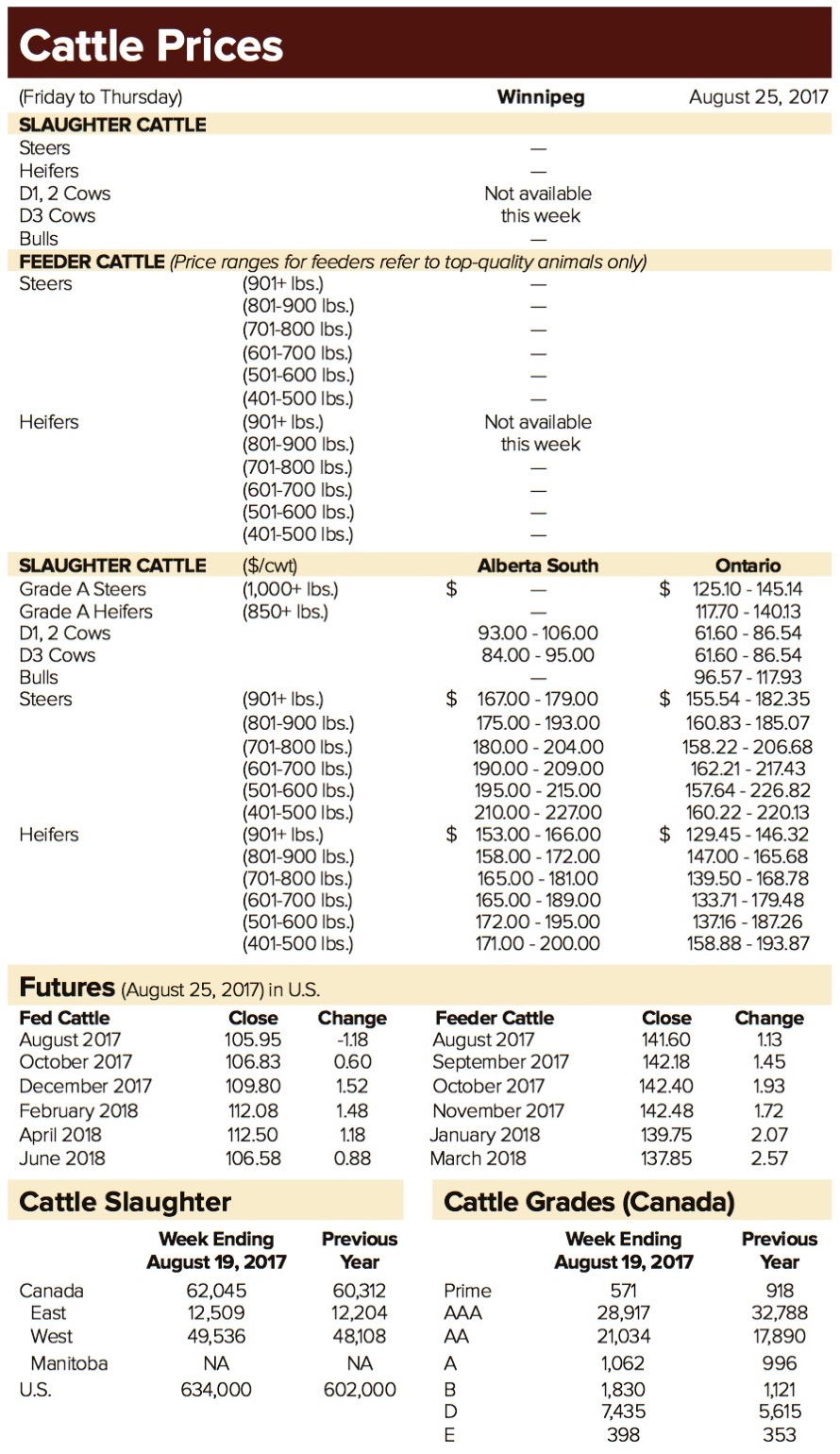
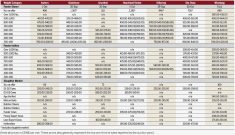
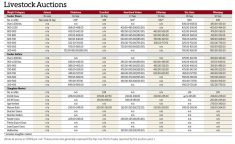
From a pricing standpoint, the numbers at auction during the week weren’t really large enough to make a definitive call on the market but Wright said feeder prices were likely higher now than they will be when there are more volumes.
“If we look at the futures, they don’t support today’s prices,” said Wright. He expected a seasonal decline in butcher cows would spill into the feeder market, while the stronger Canadian dollar should also weigh on prices.
“As long as the dollar stays closer to 80 (U.S. cents) than 70, that has a major impact on our ability to ship south at a profitable level.”
Feedlot margins are also down, making them a bit more cautious in their purchases.
While Wright said occasional spikes are still possible, the general trend should be lower when the volumes start to pick up. He said 550- to 600-weight calves have room to decline by about 10 to 15 cents/lb. from current levels.