The holiday season is a time of reconnecting with friends and family, while also meeting new people at all the events, concerts and parties that take place at this festive time of year. Once I get to chatting, there are a few common lines of questioning I hear when people find out about my job reporting on agricultural markets.
For those with little to no involvement in farming there can be general questions about journalism. Writing this in mid-December to meet an early deadline, I’ve already had one lengthy conversation on my font of choice considering the directive from the United States Department of State that diplomats go back to only using Times New Roman — for what it’s worth, Courier New is my preference for most situations.
Read Also
Manitoba canola variety trials axed
Industry reluctance killed the program designed to give farmers unbiased comparisons of seed performance across the province.
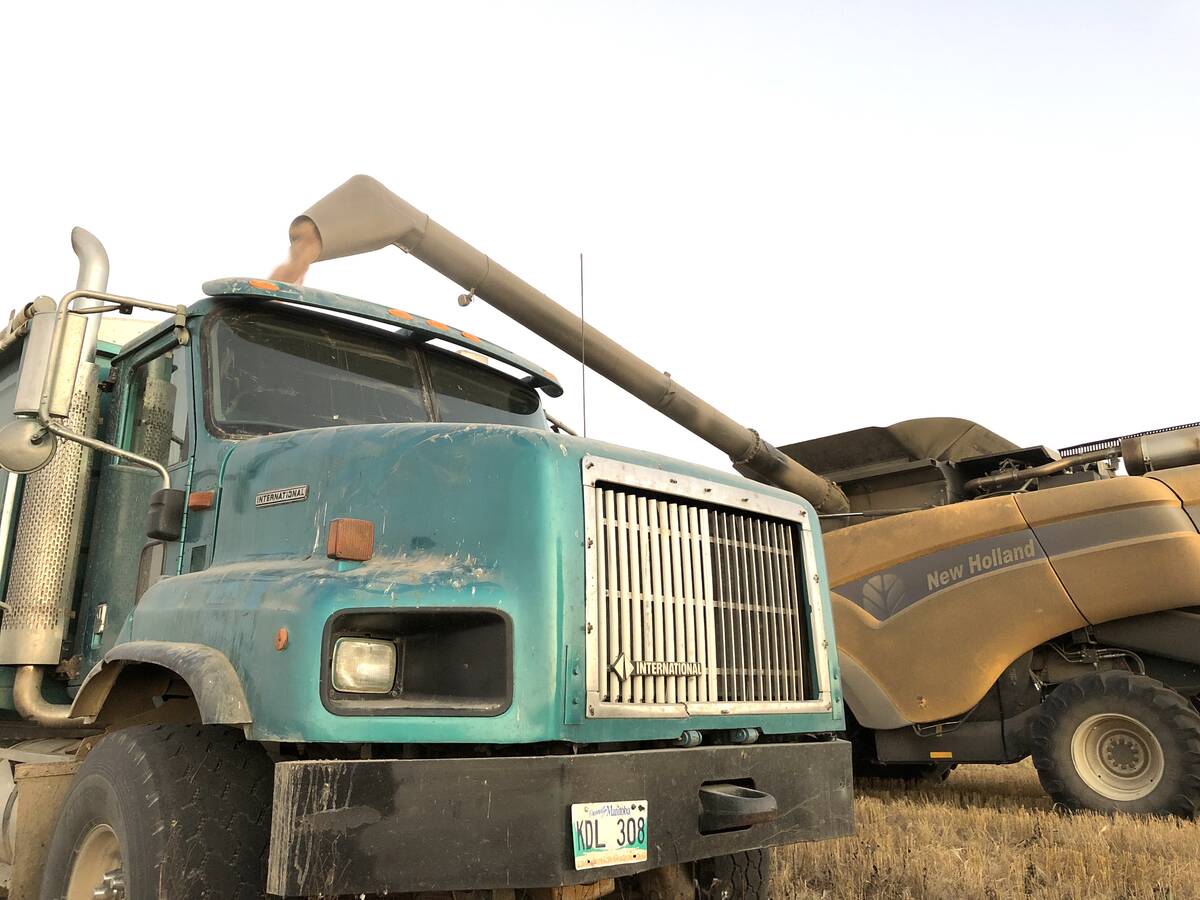
Beyond that, many people are curious about what is happening right now for farmers. They’ll ask about the recent harvest, or more-and-more these days about what’s going on in politics. The politics can get interesting at some family gatherings, but these are always good conversations.
For that smaller group of people already in the know, like my uncles or cousins who farm, they want to hear about what’s to come. When should they sell their canola? How high, or low will wheat prices go this year? Those are much harder questions to answer, but my answer typically boils down to “it depends.”
Where the grain and oilseed markets go in 2026 will depend on several factors. The early call looks bearish for most commodities, but the story is far from written.
The baseline
Canada grew record large canola and wheat crops in 2025, with 21.8 million tonnes of canola and nearly 40 million tonnes of wheat harvested, according to Statistics Canada data. Those supplies will eventually find a home, but basic supply/demand economics imply the price may need to come down to make that business work.
Looking at a nearby canola chart, the most-active March contract was trading just above $600 per tonne a week before Christmas, which was within $10 of the most-active contract at the same time a year ago. Canola climbed well above $700 per tonne during the marketing year allowing for some good sales opportunities. However, with more supplies on hand and the absence of Chinese demand, will a similar move be possible in 2026?
Watch China
The largest customer for many of the crops grown in Canada is a wildcard every year, and 2026 will be no different. China has come and gone as a canola buyer in the past but it’s looking like they will be gone this year — at least to start — despite the occasional bursts of optimism on the tariff front.
If there is no movement on trade with China, what does their absence from the Canadian canola market mean for trade flows elsewhere? During past disputes, Canada has sold more canola to places such as the United Arab Emirates. That sort of business is expected once again in 2026, although it is unlikely to make up for all the lost sales to China.
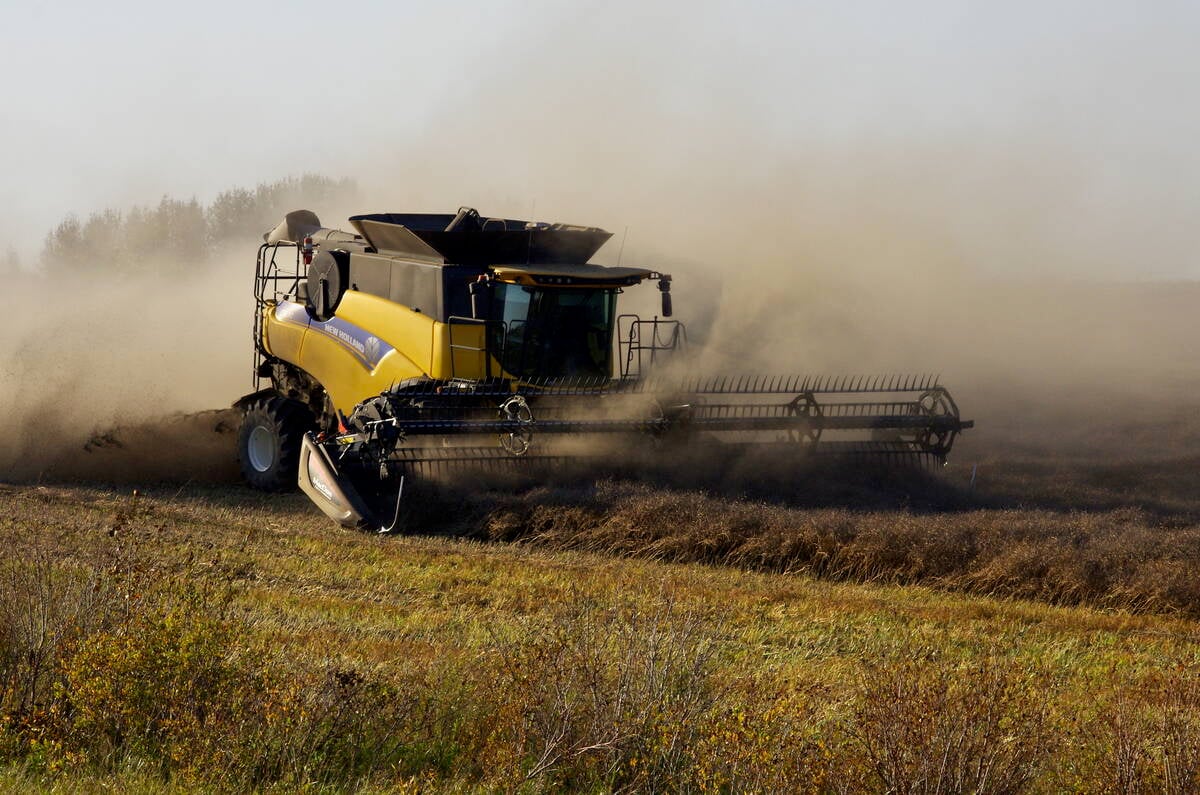
The latest estimates from Agriculture and Agri-Food Canada predict Canada will export eight million tonnes of canola during the 2025/26 marketing year. That would be down from the 9.3 million tonnes moved the previous year, but still up from the 6.7 million tonnes moved in 2023/24.
If a deal is reached and China drops its tariffs on Canadian canola, the outlook changes considerably.
The U.S. elephant in the room
The policies of U.S. President Donald Trump’s administration have a tendency of swaying agricultural markets — from the country’s own trade talks with China to the latest bailout money to farmers hurt by those policies. Beyond Canada’s own tariff issues with the U.S., of particular interest to canola farmers in 2026 will be U.S. biofuel policy.
Canola oil has become a major feedstock for U.S. biodiesel production but is at risk of being shutout of that market. Finalized blending mandates for the next two years were delayed by the government shutdown and are now expected early in the new year. The devil will be in the details for Canadian canola.
Known unknowns
Geopolitics, South American production, technical signals, currency markets, the price of crude oil — the list of things that will certainly influence prices in unknown ways is endless.
Finally, the one topic that reliably brings all Canadians together — the weather. What will the weather be next month, let alone next summer? The weather will influence everything, but the answer to the question is the same as questions on price direction. It depends.