
While prices for feeder cattle have stayed flat ever since the start of 2022, slaughter cattle have seen a rise in prices, according to a cattle marketing analyst.
Anne Wasko of Gateway Livestock Exchange at Taber, Alta. said prices for feeder cattle were rangebound during the first quarter of 2022, despite choppiness along the way. She added there was an increase of feeders moving into the United States in the first quarter compared to last year.
“Fed cattle prices, both here in Western Canada and the U.S., were in the low to mid-$160s (per hundredweight) live (on average in Alberta),” she said. “The U.S. has just been under US$140/cwt, but this week has seen some improvement with supplies finally tightening up for the second quarter. But it’s been a very flat and choppy first 3-1/2 months of the year.”
Read Also

VIDEO: New Claas Cubix baler aims for high feed output
Claas shows its square baler concept called the Cubix at Agritechnica last November, designed to output as much as 70 tonnes of baled forage per hour.
On the other hand, Wasko called the rise in slaughter cattle prices “the best news” for cattle producers in Western Canada. She expects prices to continue to rise throughout this summer.
“Early this year, we would’ve seen D2 cows sitting at around 75 cents (per pound) live in Western Canada and today, the average price is now over $1,” she added. “The demand for lean trim has been very strong. Even though we’ve seen cow slaughter up in both the U.S. and Canada, we’ve also seen higher prices for slaughter cows.”
Wasko attributes the rise in demand to the ongoing recovery of the restaurant and food-services industries after being hit hard by COVID-19. There has also been greater demand for Canadian beef, especially due to a lack of imports.
“Typically we see Australian and the New Zealand product flowing into North America and that hasn’t been the case as those industries continue to recover from their lows in supply while rebuilding their cow herd,” she said. “Strong Asian demand for those products has been pulling them to Japan, South Korea and China.”
The western and eastern halves of the Prairies are in stark contrast in terms of soil moisture. As the west remains dry, the east has been the recipient of heavy amounts of snow and rain. Wasko said it’s too early for drought to be locked into Alberta just yet, but places that will have fresh growth this spring will reap the benefits.
“Areas that can produce feed and grass are certainly going to have the potential to move some of that feed around versus last year where we saw very little feed in Western Canada,” she said. “We’re still going to remain very hopeful and optimistic that the moisture still comes.”
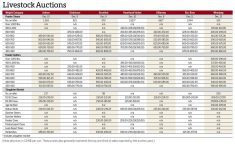
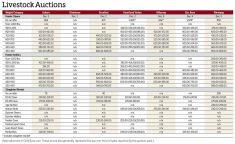
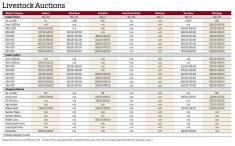
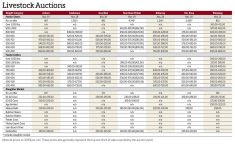
The Easter weekend and the major weather system dropping snow onto southern Manitoba and southeastern Saskatchewan hindered cattle sales during the week ended April 21. No auctions took place in Winnipeg and Killarney due to the holiday, as a minimum of 3,018 cattle went through the rings.