Fifteen years ago, Dr. Steve Eicker, co-founder of Valley Ag Software, was on a plane sitting next to a Texas cattle auctioneer who told him that beef producers, and in particular auctioneers, hate dairy producers.
When Eicker asked why, the auctioneer said dairy farmers bring the worst animals he’s ever seen.
“And it ruins the auction. Buyers start looking at the ground, start talking to each other. It not only hurts the value of the dairy cows, it hurts the value of our beef cows.”
Read Also

MBFI livestock research farm gets major expansion
Manitoba Beef & Forage Initiatives expands Brookdale Research Farm by 467 acres to benchmark grazing profitability at commercial scale.
He said it seemed dairy producers didn’t realize their cattle were a food product and not waste.
WHY IT MATTERS: There’s value in marketing dairy cattle, not just their milk.
Eicker expressed his shock with this experience to the attendees of the Saskatchewan Dairy Conference in Saskatoon last fall.
He said the exchange was the beginning of a change in his thinking, one that brought him to believe there needs to be a better way to categorize cattle in the dairy industry.
“I don’t want people to ever use the word ‘cull’ again, OK?” he told the crowd.
“That auctioneer doesn’t want you to say (or) think they’re cull cows. He wants you to think they’re going for food. So we want to call that ‘market rate’ now.”
The phrasing changes the image that comes to mind to form a comparison between two cows.
Send to market younger
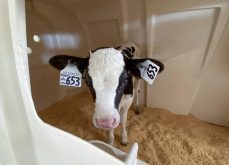
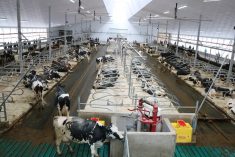
Dairy cows should be replaced when they’re younger and healthier to increase herd health and welfare, as well as increase market and milk profits, making them a “market” cow rather than a cull cow.
He recommends replacing the cow before it becomes the typical cull cow, which suffers from disease such as lameness or mastitis, and old age.
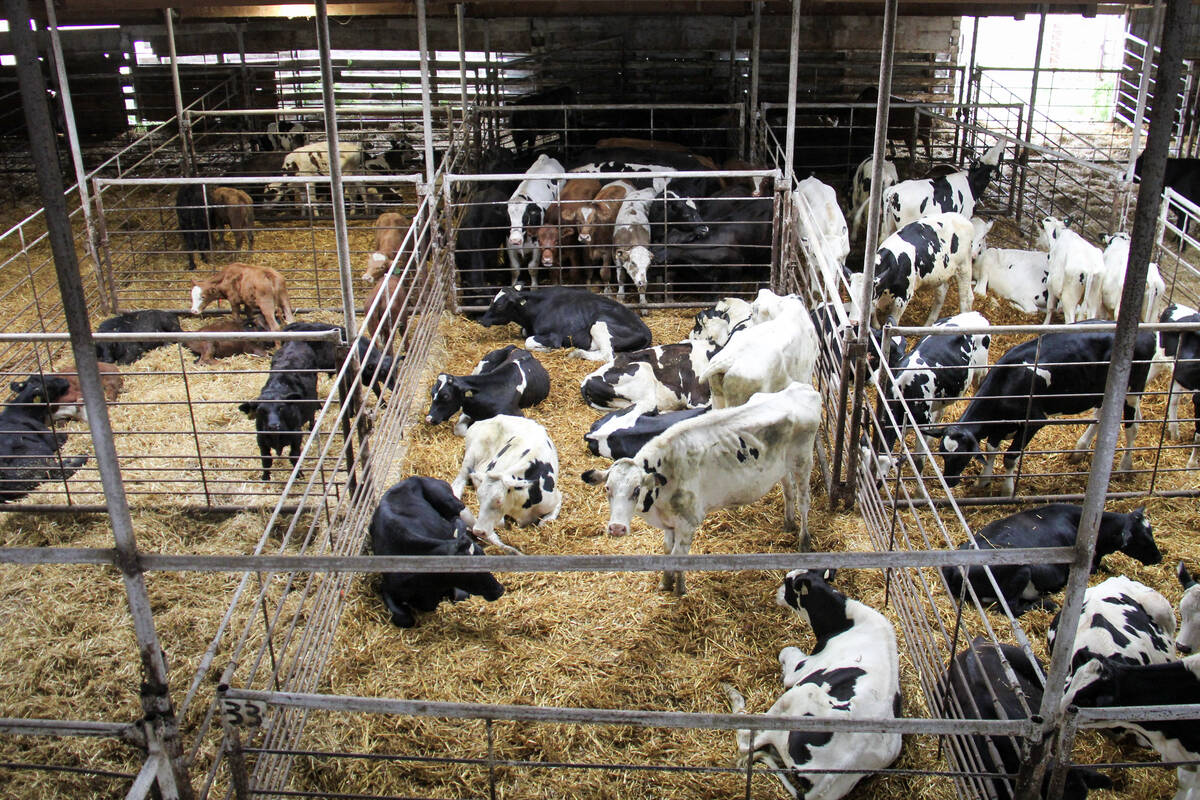
This idea goes against many notions that dairy producers have — such as older cows produce more milk, a need to make back raising costs and sustainability means lower replacement rates.
Eicker said these are misconceptions in the industry.
“More replacement gives us more milk and gives us greater sustainability,” he said.
“This is a tough thing for most people to do; it’s not what you’ve been told. You’ve been told that sustainability is higher if you have longer-lived cows. The math doesn’t support that.”
Eyes on the heifers
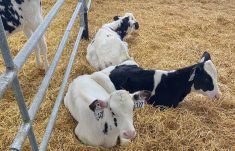
Replacement rate and heifers are the key determinants for herd health.
A higher replacement rate doesn’t mean cows are dying or aren’t being properly cared for; it means producers are successfully raising their heifers and keeping herd welfare in mind.
It simply means more heifers coming into the herd and less reliance on the cows that are next to being replaced and only slightly above the sick, lame and open category that is the first to go.
In addition, well-raised heifers will more than make up for what a producer may perceive as a loss because the average fully grown, adult-sized heifer will produce more milk in her first lactation than her second.
This is because in her full grown state, her dry matter intake over maintenance goes to milk production instead of growth. This provides her with more energy than her smaller, non-adult-sized counterparts.
What’s more, when the heifer is fully grown by its first freshening, that first lactation is larger and nearly identical to the second.
“Healthier cows have better fertility, have more heifers. More heifers, you can replace them earlier,” Eicker said.
“They’re in better body condition, less lameness. I think that’s how we should treat our cows. It’s not how long they live, it’s how well.”
Cattle prices high
For dairy producers on the fence about selling older cows earlier, Eicker suggests they look at current beef prices.
By selling younger, healthier cows that aren’t suffering from lameness, mastitis or other conditions, producers will receive a better price. And if covering the cost to raise the animal is a concern, this profit will no doubt help.
“Let’s pretend we’re not just in the milk business. We’re also in the beef business. I want you people to think that’s what your real life is.”
Eicker proposes that producers should “scam” the quota system by getting many replacements and selling a quality meat animal. He said he doesn’t expect many to do that, or even consider it, but he suspects some might.
Beef packers will pay a three-to-one difference for quality cuts versus older meat that has to be “scraped off the bone.” By selling younger cattle, dairy producers can earn an advantage.
His proposal is to milk a cow for a lactation or two, secure a replacement heifer and then sell the market cow for meat.
Many studies state young Holstein meat is nearly identical to beef in taste and cutability. It also looks the same when packaged. This makes for an easy sell to the public, which Eiker said is all grocery retailers are concerned with.
“They don’t care very much about quality. You go in and almost everything’s identical, except when you go to the beef aisle. Then you can pick out each steak,” he said.
“But if they’re all Holstein, just what they look like, they’ll be the same size, the same cutability, the same market.”