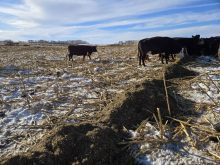
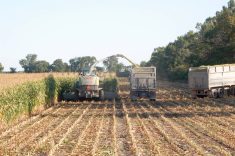
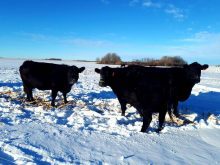
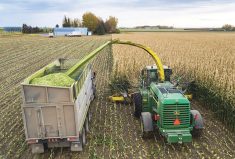
Anew research paper on silage inoculants has been posted on foragebeef.ca, a website with information on producing forage and beef in Western Canada.Comparison of the Fermentation Characteristics, Aerobic Stability and Nutritive Value of Barley and Corn Silages Ensiled With or Without a Mixed Bacterial Inoculantwas published by Drs. W. Addah, J. Baah, P. Groenewegen, E.K. Okine, and T.A. McAllister, of Lethbridge Research Centre, University of Alberta and Alltech Canada.
Read Also
Video veterinary telemedicine valuable — within limits
Telemedicine makes veterinarians more acessable to farmers, but not every horse health issue can be diagnosed or treated through a screen.
African Swine Fever Reaches Russia’s Arctic
African swine fever has been confirmed in pigs held at a backyard farm at Russia’s Arctic naval base of Severomorsk in the Murmansk region, the country’s animal and plant health watchdog said April 6.
The watchdog, Rosselkhoznadzor, said in a statement that all 21 pigs held at the farm had either died or been culled. Veterinarians are investigating the origin of the disease.
ASF, a viral disease which is not a threat to people, but is lethal to pigs has been detected in various localities mainly in the south of the country.
But the disease was confirmed in March in the Leningrad region in the country’s northwest, Rosselkhoznadzor said.