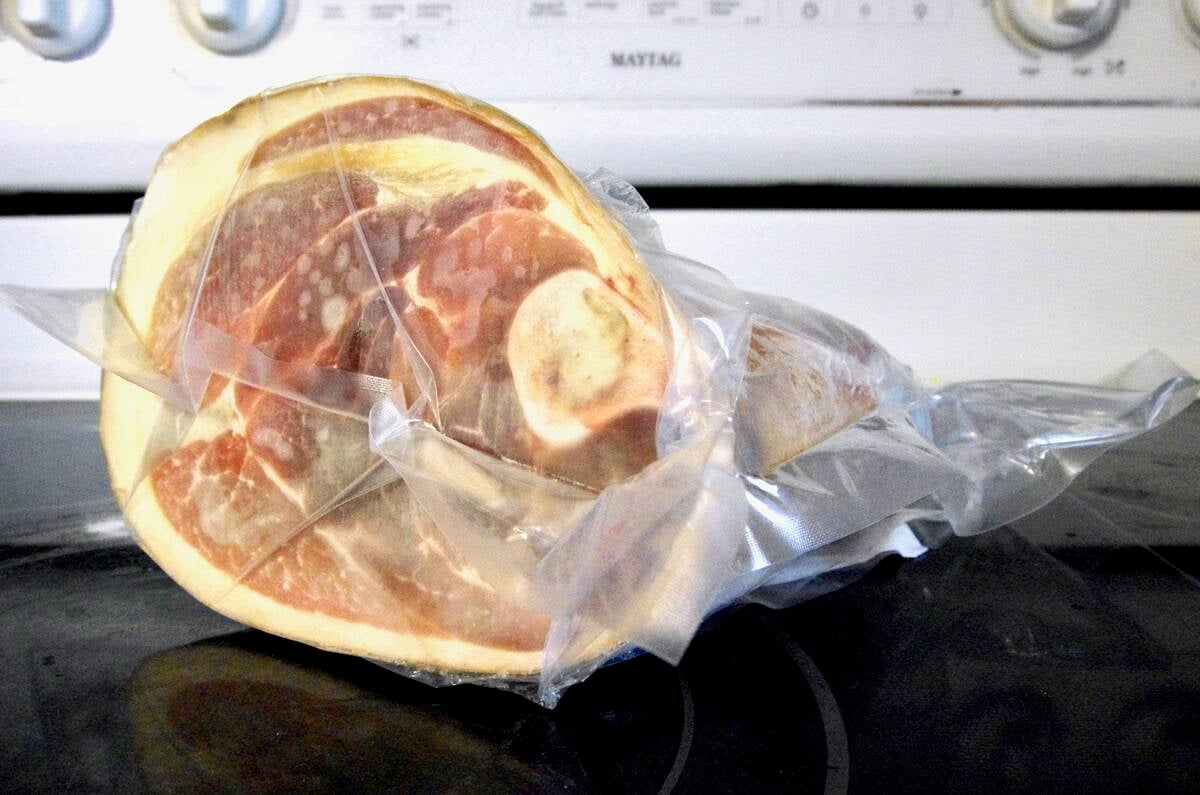
Tariffs on pork exports, especially from China, are still costing Canada’s hog sector about $100 million a year, Manitoba Pork says.
And while Canada has made trade inroads elsewhere, pork is still left out in the cold.
“Pork continues to move tariff-free at this point into the United States thanks to protection from the Canada-U.S.-Mexico agreement,” said Cam Dahl, general manager of Manitoba Pork. “While we are pleased to see some progress between China and Canada, we know there is more work to do.”
Read Also
THROWBACK: Pasture danger – keeping farmers safe after calving
Stay safe this calving season with expert cow handling, exit strategies, and well-being tips to protect your farm’s team.
WHY IT MATTERS: Canola and peas celebrated gains on their trade issues with China and the beef sector says its long-standing pains are about to ease, but the 25 per cent levy imposed on Canadian pork last spring is still untouched.
As of March 1, the tariff on Canadian canola seed will be reduced to 15 per cent, and the duty on peas and canola meal (at least until the end of 2026) will be eliminated. Canadian beef exports could begin making their way back to China soon after a four-year halt.
But the silence on pork tariffs is worrying, Dahl said. China is a “major market” for their product, importing around $100 million of Canadian pork each year.
Trade on the brain at Manitoba Ag Days
Canada’s trade relationship with China and the U.S. was centre stage at Manitoba Ag Days 2026. The topic popped up in expert speaker presentations, participant talks in the hallway, among industry groups with their members and within comments made by political dignitaries at the show.
Manitoba Agriculture Minister Ron Kostyshyn, who farmed grain for four decades before entering politics, acknowledged ongoing volatility in global trade, particularly with China, but said recent developments offer hope.
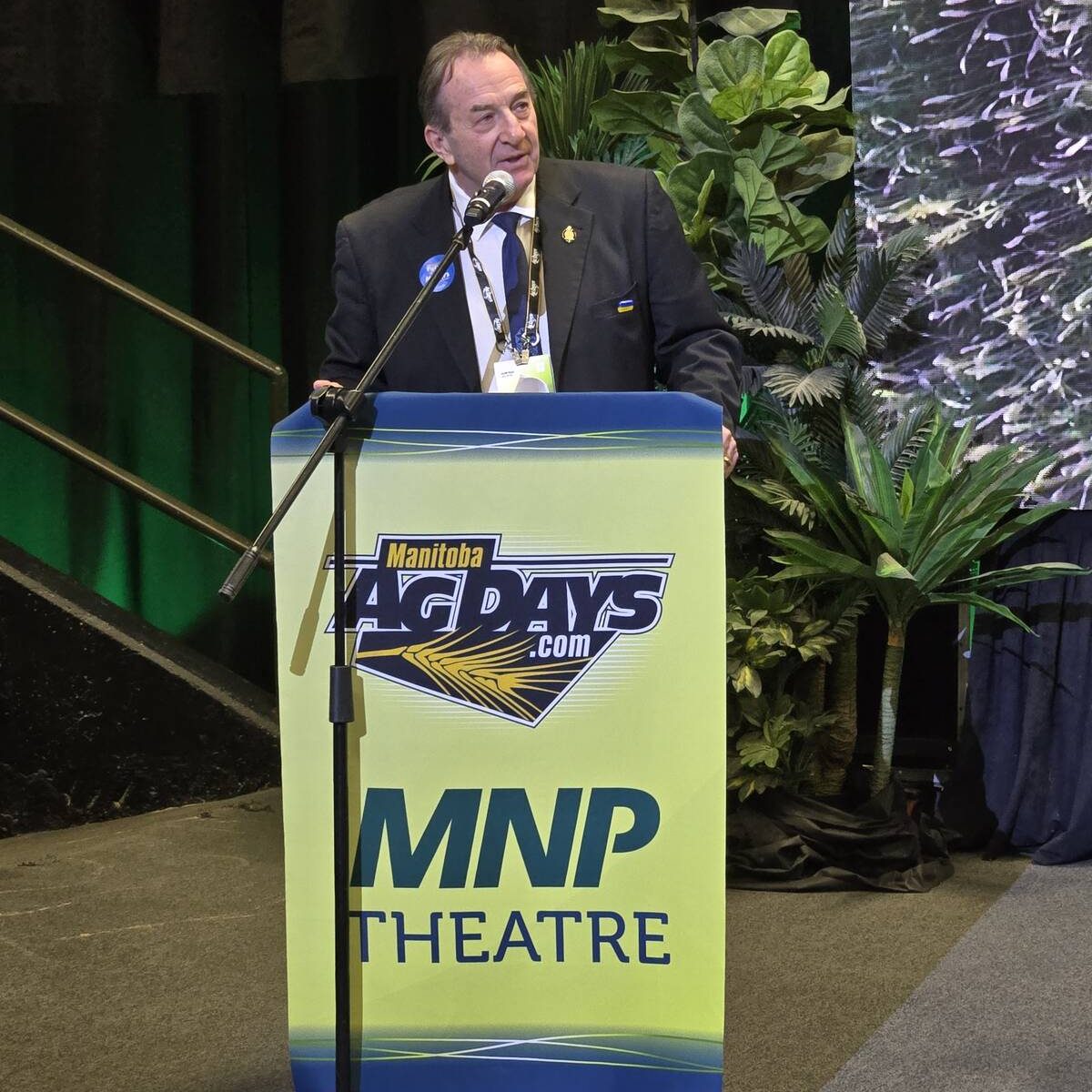
However, he remains concerned about the lack of progress on pork tariffs.
“What we need to see trade relationships fully restored for all commodities, including pork,” Kostyshyn said.
Canada’s trade talks with China have been “very fruitful,” said Ginette Lavack, member of Parliament for St. Boniface–St. Vital and parliamentary secretary to the federal agriculture minister. She said the federal government will continue to negotiate with the country.
Tariffs and trade uncertainty are forcing a renewed focus on value-added agriculture and interprovincial trade, Manitoba Agriculture Minister Ron Kostyshyn said on the opening day of Manitoba Ag Days.
The province continues to ship large volumes of raw commodities out of Manitoba, leaving profits behind, he said.
“We have so many raw value products that we grow in this province, and wouldn’t it be a perfect world if we could package that and sell the packages, rather than train loads or truckloads of the raw commodity?” Kostyshyn said.
Tariffs remain a challenge for producers, but also present an opportunity for provinces to work more closely together, the agriculture minister added.
“This has woken us up, and it’s our opportunity across Canada, with other provinces, to work together for added value and opportunity for the betterment of agriculture across Canada, and, more importantly, our province of Manitoba,” he said.
For more Manitoba Ag Days coverage, check out the Manitoba Co-operator’s Ag Days landing page.