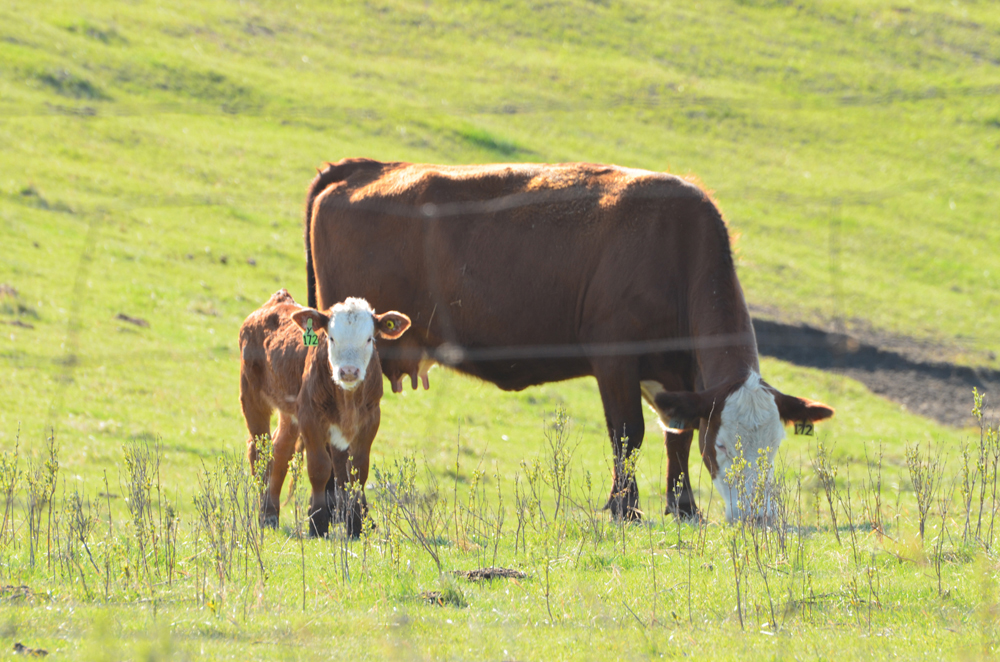
Prevention is the best cure for feedlot losses, producers attending a recent backgrounding and feedlot school in Brandon were told.

“Not only are we trying to keep calves alive, we are trying to keep them from getting sick altogether,” said Wayne Tomlinson, an extension veterinarian with Manitoba Agriculture, Food and Rural Development. “We can’t do much about the agent, it is going to be around, it is going to be in your feedlot. It is the nature of the beast. What we can control to some extent is the host and the environment.”
Tomlinson, who also has 22 years in private practice, presented to a group of beef producers at the Manitoba Beef Background and Feedlot School presented by MAFRD in Brandon on October 28.
“Seventy-five per cent of illness in calves in the feedlot is due to pneumonia, which we call bovine respiratory disease or BRD,” he said. “And, not only are three-quarters of them getting sick, we also know that BRD kills 30 to 70 per cent of them.”
Read Also

VIDEO: Three Manitoba cattle ranchers on what succession planning really looks like
A 72-year-old breeder, the CCA president and a 27-year-old rancher talk about what it takes to hand down a cattle operation.
Looking at the dynamics of the feedlot, Tomlinson stresses the importance of having the appropriate amount of well-trained staff who are able to handle calves quietly and efficiently to maintain a low-stress environment.
- More on the Manitoba Co-operator: Two different ways to breed the perfect cow
“We know now that stress is a huge factor contributing to animals getting sick. The low-stress handling in cattle does make a difference to their immune systems and how they survive.”
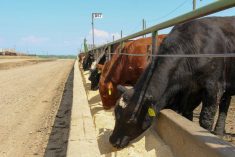
Receiving pens should be clean, dry and offer a decent amount of space that is wider rather than deep.
“A wider pen means more bunk space and the calves can’t hide in the back of the pen. Other pens in your feedlot can be different, but your receiving pen should be shallow,” said Tomlinson. “When calves first arrive we want low stress, we want to get these guys eating and to make sure that they have had their vaccination prior to arrival. All of these things are going to make a difference in their ability to stay healthy.”
Sourcing calves
When looking to bring calves into the feedlot, producers should try to purchase the animals from a known source that offers preconditioning.
“Preconditioning works. If you bring in preconditioned calves that have been vaccinated prior to coming into the feedlot, they’re bunk broke and they have had all the processing procedures done, we will see a lower death loss.”
It is also beneficial to know the health history of the cow and, if possible, the history of the herd.
Tomlinson also notes that older and larger calves, 700 pounds or more, tend to do better.
Raised at home
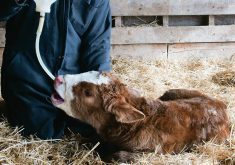
A key factor in raising a calf to be strong and healthy in the feedlot is to ensure adequate colostrum early in its life.
“We all know that colostrum is really important for a calf in the first six weeks of its life. We know that they are born with a naive immune system and they have no antibodies and if they don’t get that first milk, they are going to get sick,” said Tomlinson. “We also know calves that receive adequate colostrum do better in the feedlot than calves that do not get adequate colostrum. It carries on that long. It will make a difference in the animal’s health for two years.”
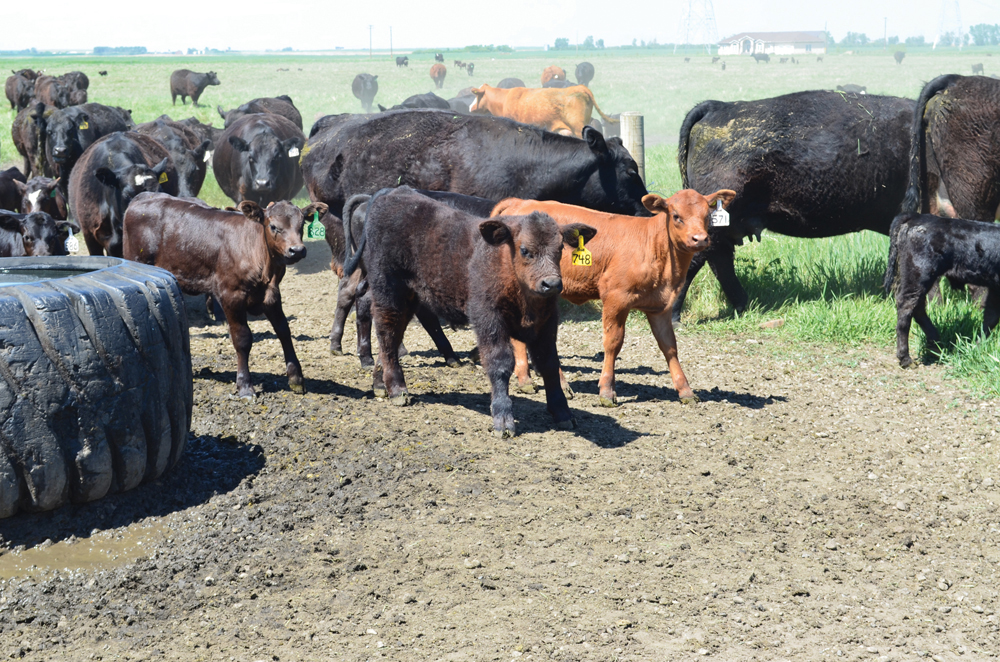
Tomlinson suggests producers aim for a tight calving interval through proper nutrition, as this will aid in the calves reaching a similar size by weaning.
“Older calves do better. So, if you have that tight calving interval and can wean all of your calves at the same time that is going to give you an advantage over the bugs.”
Weaning once the calves’ rumens are developed at about eight months of age and using low-stress weaning techniques is ideal. It may also be beneficial to introduce calves to the feedlot feed while they are still on their moms.
“If you can’t do the low-stress weaning techniques, at least put that cow-calf pair in the pen together for a while so that the calves can find everything and get comfortable. That will make everything easier for them.”
Calves that receive pre-weaning vaccinations have also shown reduced mortality rates.
Tomlinson said monitoring the calves is also critical, especially when they first arrive in the feedlot. Pre-illness symptoms to watch for: depression, anorexia, dull eyes and temperatures over 104°.
“When in doubt, pull the calf out. Just because you pulled a calf, if you pull him with low-stress methods, walk him up into the chute and have a look at him. If he’s not sick you can always send him back, but you should pull anything you’re not sure of,” said Tomlinson.