Animal welfare groups are still hoping that the Canadian Parliament will ban the export of live horses for slaughter.
That may not happen, immediately, because Prime Minister Mark Carney and his Liberal government have been busy over the last 10 months, dealing with trade conflicts, wars and the potential end of the global world order.
“We continue to speak to elected officials… (but) Prime Minister Carney’s attention has been focused elsewhere,” said Kaitlyn Mitchell, director of legal advocacy with Animal Justice, a Toronto-based animal welfare organization.
Read Also
Manitoba farmers want in on strychnine exception
Western Manitoba ranchers say gopher damage rivals conditions in Saskatchewan but province has yet to request a federal strychnine exemption.
Exporting live horses from Canada made headlines in mid-February, due to an unusual trial at the Provincial Court in Winnipeg.
Animal Justice led a private prosecution of a horse exporter from Swan River, Man., charging him with shipping horses to Japan without making the necessary plans to protect their welfare.
The group launched the private prosecution in 2024 because the Canadian Food Inspection Agency didn’t take legal action in the case.
On Feb. 13 the prosecution and defence submitted their closing statements to the court. Justice Sandra Chapman reserved her decision for a future date.
Animal Justice’s lawyer, Dan Stein, laid out the basic facts of the case in his closing submission:
- On Dec. 11, 2022, Lyle Lumax, the owner of Carolyle Farms in Swan River transported 97 live horses by truck to the Winnipeg airport
- Of that group, 79 horses were put in crates and loaded onto a Korean Air plane in the early hours of Dec. 12
- The flight departed Winnipeg at approximately 4:00 a.m. that day, but the plane was re-routed from Anchorage, Alaska to Seattle, Wash. because of a snowstorm in Anchorage.
Stein said that re-routing caused the horses to be in transport for more than 33 hours without food, water or rest, in the journey to Kagoshima, Japan.
That exceeded the 28-hour time limit for transporting horses in CFIA regulations.
The travel time was in excess of 28 hours, but Animal Justice claims that Carolyle Farms failed to a have a contingency plan for unknown but foreseeable events for the shipment from Winnipeg to Japan.
Canada’s Health of Animals Regulations require a contingency plan, to prevent an animal’s death, injury or suffering.
Carolyle Farms did file a contingency plan in September 2022 for the trip to Japan. But Lumax only had a contingency plan for the transport of the horses from Swan River to Winnipeg, not the entire journey to Japan, Stein said.
“His plan only went as far as the airport and wheels up,” he said. “Was it OK that Carolyle Farms washed their hands of this (contingency plan), once this plane lifted off?”
Farmer’s responsibility ends at the airport: defence
Lumax wasn’t in court Feb. 13. His attorney told the court that the farmer can’t be held responsible for decisions made, or not made, after the Korean Air flight departed from Winnipeg.
Yes, there is shared responsibility to ensure the welfare of the horses and develop a contingency plan, the defence said.
But ultimately there is a decision maker and when the plane is in the air, Korean Air was responsible for the welfare of the animals.
The defence pointed to testimony from Dr. Erika Spek, of the CFIA, who told the court that the air portion of the contingency plan is the responsibility of the airline.
Another bill to ban live horse exports?
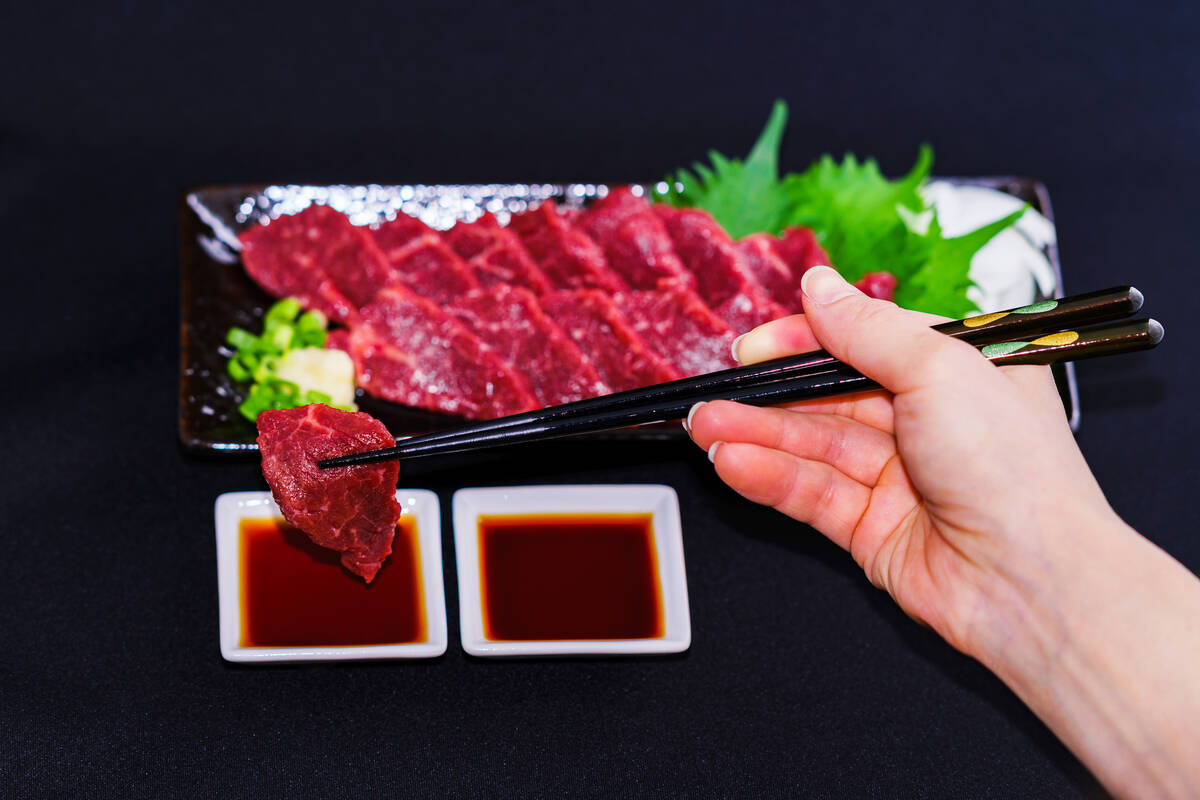
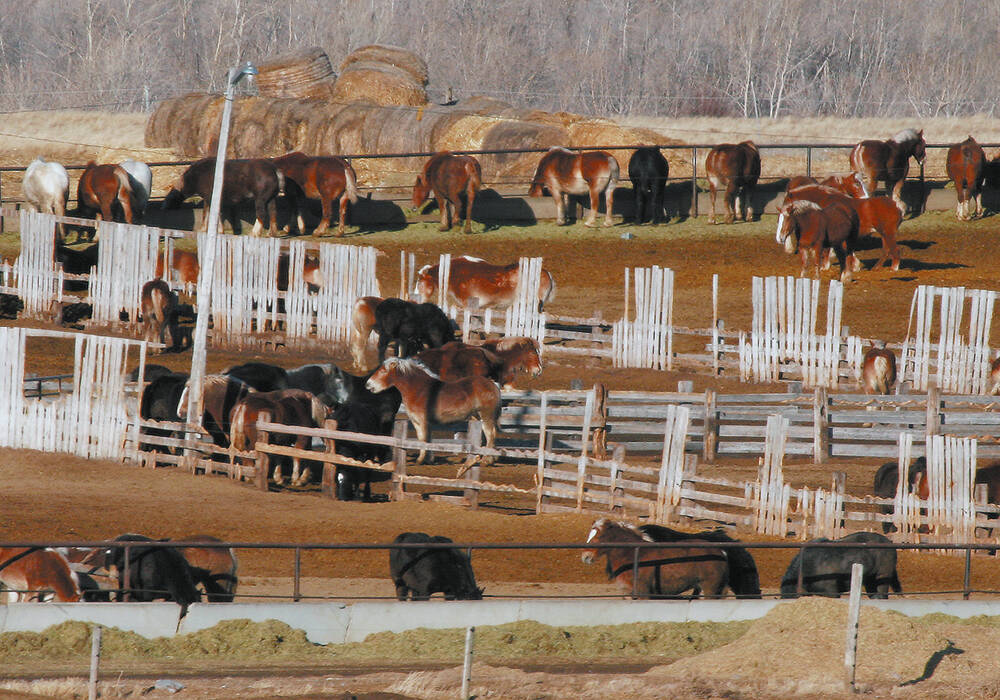
Each year, 2,000 to 3,000 horses are exported from Canada to Japan. Once there, they are fattened, slaughtered and the meat is served raw, as sashimi, said Animal Justice.
“There are a small number of feedlots. There is one here (in Manitoba). There are about four in Alberta,” Mitchell said.
“It’s about $18 million a year going to this handful of companies.”
From 2023 to 2025, Bill C-355 was before Parliament. It would have prohibited the export of live horses, by plane.
It passed the House of Commons in May 2024 but died in the Senate when the election was called in early 2025.
Animal Justice continues to lobby for a new bill or regulation to stop the practice and some MPs have committed to getting this done, Mitchell said.
“As far as we’re aware, that’s still the plan.”
There are, however, politicians who support horse exports for slaughter, including Senator Don Plett, who retired from the Senate in 2025.
In a piece published last year in The Hill Times, Plett argued that this issue isn’t about animal welfare.
It’s mostly about misinformation and emotional manipulation, he said.
“The legislation (Bill C-355) was… a tool of animal activists who are ideologically opposed to the human consumption of horse meat.”