Turkeys on a farm in Ontario have become infected with the H1N1 flu virus, but no birds or eggs from the farm entered the food supply, provincial government officials said Oct. 20.
The infection poses minimal risk to human health, Dr. Arlene King, Ontario’s chief medical officer of health, said in a news conference in Toronto.
However, she noted the discovery highlights the need for those who work with farm animals to be vaccinated for both seasonal flu and the pandemic H1N1 flu strain. The risk of the virus passing between people and animals is that the virus could evolve into a form against which humans have little or no immunity, King said.
Read Also
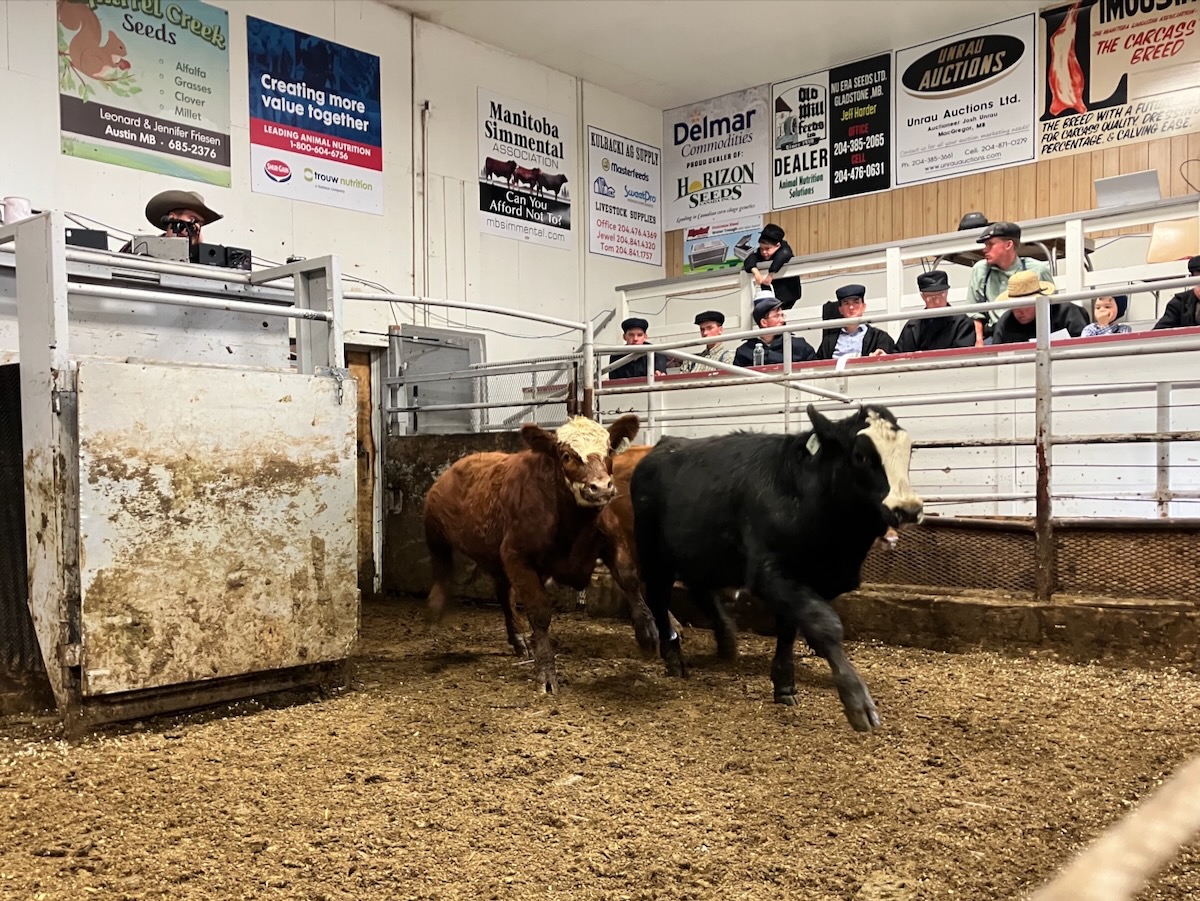
Manitoba cattle prices, March 25
Price ranges from seven Manitoba auction markets during the week ending March 24, 2026.
The discovery in a single Ontario barn by the Canadian Food Inspection Agency is the second known incident of turkeys becoming infected with the H1N1 virus, also called swine flu. The first was in a flock in Chile.
Health officials are following up with people who had contact with the infected turkeys. One person with contact had shown flu-like symptoms. The turkeys’ owner has voluntarily agreed to quarantine the infected birds, but they aren’t likely to be prematurely slaughtered, said Dr. Deb Stark, Ontario’s chief veterinarian.