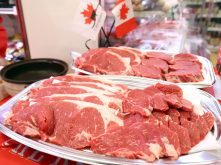
The environment committee of the European Parliament voted May 4 to exclude from the EU market food obtained from cloned animals because of health and safety concerns.
The lawmakers rejected a proposal by the European Commission, and backed by member states, to include food produced from cloned animals in a list of approved food stuffs marketed and consumed in the bloc.
A final parliamentary vote is scheduled for July.
“MEPs (members of European parliament) voted in favour of entirely excluding food derived from cloned animals and their offspring from the scope of this legislation,” the members said in a statement.
Read Also

Double cropping trial targets cattle feed boost in Alberta’s irrigation belt
A new five-year Farming Smarter study is testing double cropping systems for cattle feed production under irrigation in southern Alberta.
European authorities must approve all “novel foods” – defined as food produced using new production processes, such as nanotechnology, or which have not been widely consumed in the 27-nation bloc before 1997.
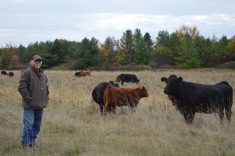
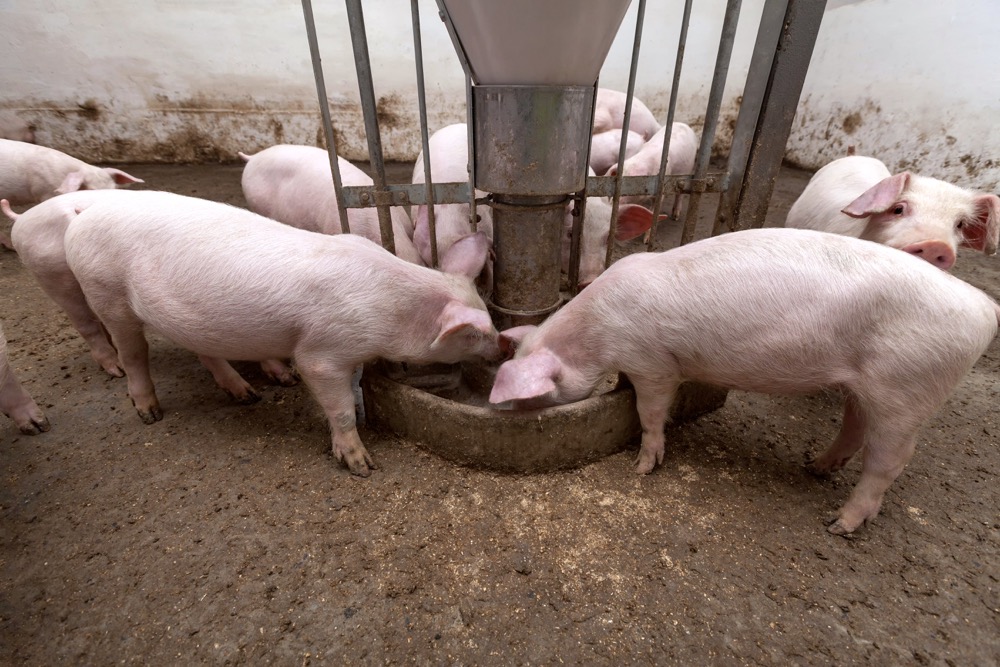
Advancements in cloning technology, particularly of farm animals had raised the potential for it to be used on industrial scale to boost livestock herds for dairy and meat products.
Lawmakers said they were also concerned by the risks and the possible health effects of products developed using nanotechnology.
“Foods produced by nanotechnology processes must remain excluded from the (European) Community list until they have undergone specific and adequate risk assessments, and the possible health effects of materials at nano scale are better understood,” the lawmakers said.
The MEPs voted 42 votes in favour of rejecting the proposal, with two against and three abstentions.
The committee requested that the commission, the EU’s executive arm, present a separate legislative proposal banning food derived from cloned animals and their offspring.