Researchers with the George Morris Centre say the federal government’s ongoing support for the ethanol industry undercuts its support for the troubled Canadian hog industry.
In a report critical of the federal government’s assistance plan for the hog sector, authors Al Mussell and Ted Bilyea say the government does not acknowledge the policy failures that will only sow the seeds of future challenges and additional requests for support. Policies for red meat are not well co-ordinated with those for biofuel or management of trade with the U. S., they said.
Read Also
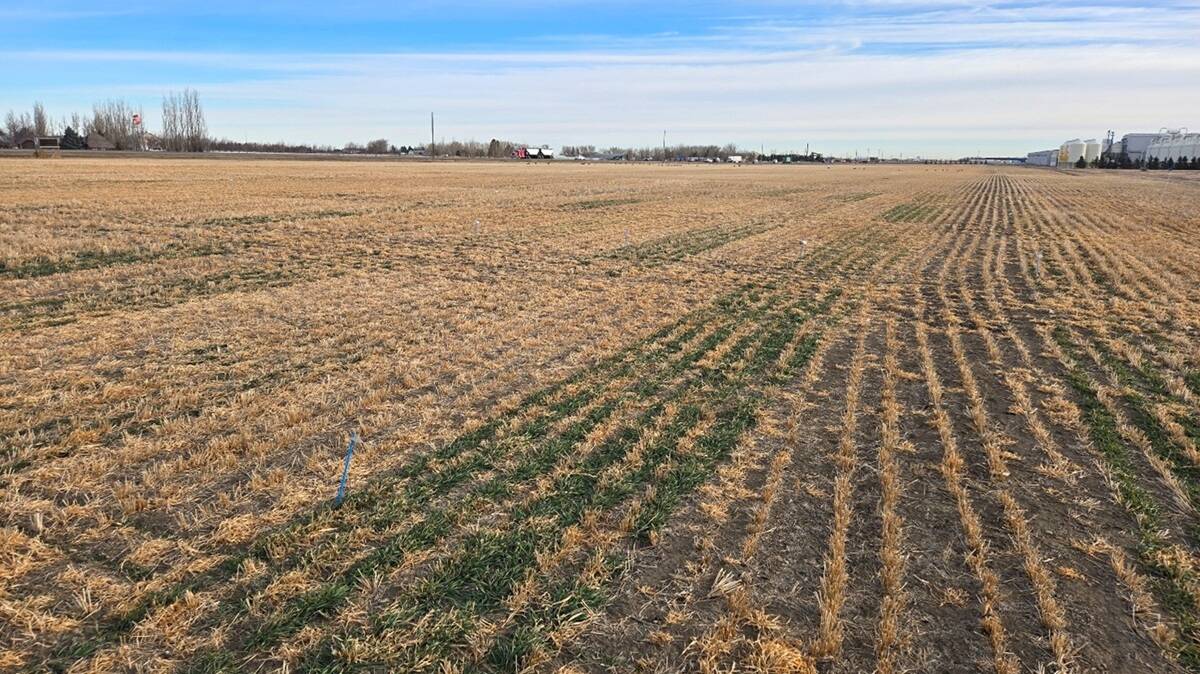
Double cropping trial targets cattle feed boost in Alberta’s irrigation belt
A new five-year Farming Smarter study is testing double cropping systems for cattle feed production under irrigation in southern Alberta.
Providing assistance to the pork segment while supporting ethanol production from grain is disingenuous to hog producers because of the feed grain price environment it creates in Canada. “The ultimate basis of our livestock feeding and red meat segments is competitively priced feed grains,” says Mussell. “Consistency demands that if we help the pork segment recover, we must halt expansion in subsidized grain-based ethanol production, which inflates the relative price of feed grains in Canada and makes livestock feeding uncompetitive here.”
The report, Opening the Throttle and Applying the Brakes: The Disconnected Policy to Support (Stifle) the Canadian Pork Sector, is available on the George Morris Centre website: www.georgemorris.org.