Iron is one of the most familiar trace minerals in equine nutrition, playing a vital role in oxygen transport, cellular energy metabolism and immune function.
While iron deficiency is a well-recognized concern in human health, dietary iron deficiency has never been documented in adult horses.
Iron carries a certain mystique in equine nutrition. Its association with blood and performance, particularly in the racing industry, has fostered the widespread belief that supplementing iron can boost energy or enhance oxygen delivery. In reality, the opposite is true for most horses. Chronic iron excess is now recognized as a silent yet pervasive disruptor of health.
Read Also
Calves in the feedlot: Feed additives to beat out coccidiosis
Adding ionophores to the calf feed ration can prevent cattle disease like coccidiosis and improve digestive efficiency in Canadian feeder calves.
Approximately 60 per cent of the body’s iron is bound within hemoglobin, which carries oxygen in red blood cells from the lungs to the tissues. Another 20 per cent resides in myoglobin within muscles, storing oxygen for movement. The remainder exists in storage and transport proteins — such as ferritin and transferrin — and within immune cells in the liver and spleen.
Iron efficiency
Horses are remarkably efficient at recycling and regulating iron.
Red blood cells live about 150 days, after which their iron is reclaimed to form new cells.
Losses are minimal, and the hormone hepcidin serves as the regulatory gatekeeper controlling iron absorption and storage. Under normal circumstances, this system ensures that horses rarely — perhaps never — require supplemental iron.
In nature, horses are surrounded by iron. It is abundant in grasses, hays, grains, and even water. A typical 500 kilogram horse consuming 10 kg of timothy hay daily, containing around 250 milligrams of iron per kg, ingests more than 2,500 mg of iron, which is well above the National Research Council minimum requirement of 400 mg per day and comfortably below the upper safe limit of 5,000 mg.
Thus, a horse on a typical forage-based diet will receive sufficient iron.
Iron in feed
It’s important to recognize that all plant-based feed ingredients naturally contain iron, so most commercial feeds already supply more than enough.
If iron is specifically added to a feed product, it appears on labels as iron oxide, ferrous fumarate, ferrous sulfate or ferrous gluconate. These forms of supplemental inorganic iron are best avoided.
Additional sources can include certain salt blocks, which may appear reddish due to iron enrichment. Like fortified feeds, these sources of inorganic iron can contribute to chronic overload.
The problem with iron
The problem with high iron is not just the iron itself but how it disrupts the delicate balance of other essential minerals.
In the small intestine, iron, copper, zinc and manganese all compete for the same transport proteins. When iron levels are excessive, it can “crowd out” copper and zinc, preventing adequate absorption, even when diets appear balanced.
This mineral imbalance often develops subtly, leaving owners unaware of the underlying cause as structural and metabolic issues begin to surface.
Not all sources of dietary iron are obvious.
Pastures grown on iron-rich soil, or on soil acidified by modern agricultural practices, tend to increase the amount of iron available for plant uptake, resulting in forage with elevated iron content.
Horses grazing on such pastures may ingest far more iron than needed, particularly if copper and zinc levels are already low.
Well water containing more than 10 mg per litre of iron can further elevate total intake, and when combined with fortified feeds or multiple supplements, daily levels can easily exceed safe limits.
Collectively, these environmental and management factors make chronic iron excess a more realistic concern than deficiency in the modern horse.
Over time, this slow accumulation takes a toll.
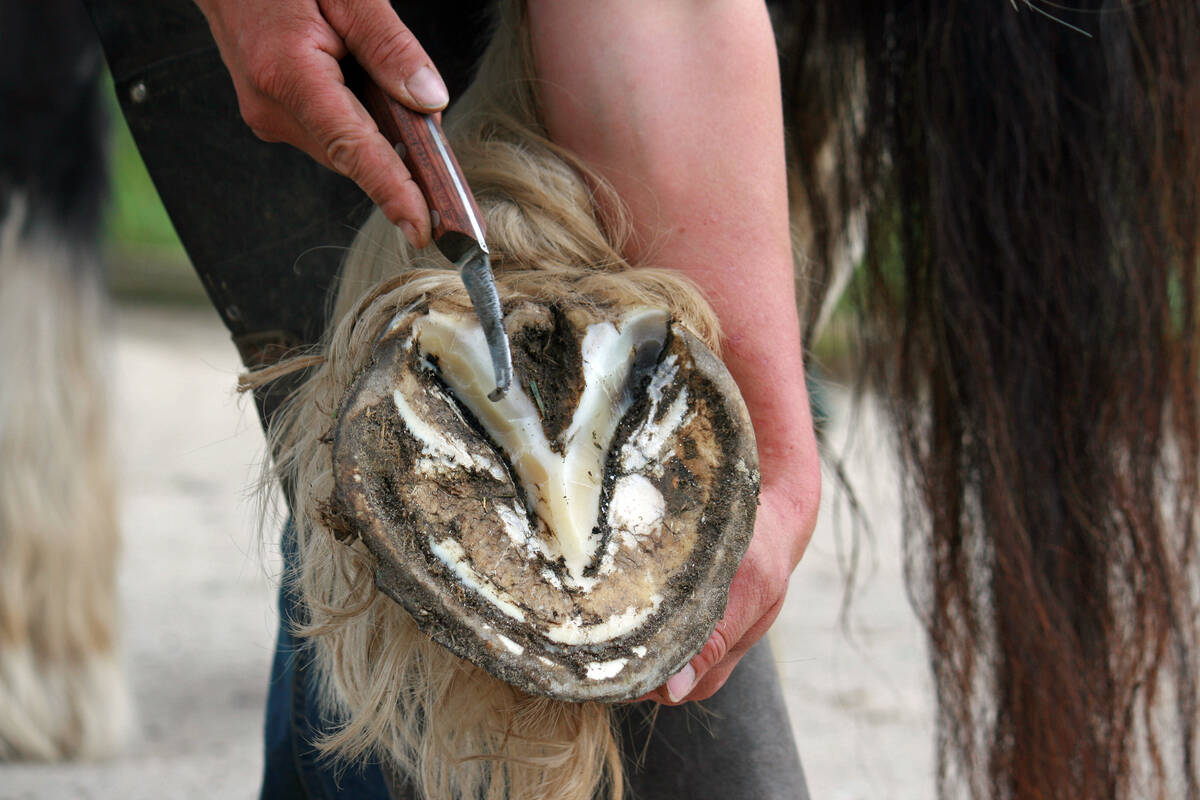
Horses consuming iron-rich forages, feed or water or receiving unnecessary supplementation may show telltale signs such as rusty tips on dark manes, dull or reddish coats, brittle hoofs or recurring abscesses.
These subtle changes reflect underlying interference with copper, zinc and manganese absorption, minerals essential for connective tissue strength, joint health and hoof integrity. Left unchecked, the imbalance can contribute to fatigue, inflammation, weakened immunity and metabolic instability.
Emerging evidence further suggests that chronic iron overload may play a contributing role in metabolic disorders such as equine metabolic syndrome and laminitis.
Excess iron interferes with trace mineral balance and enzymatic function, disrupting insulin regulation and connective tissue health.
Horses grazing on high-iron, high-sugar pastures or consuming iron-rich concentrates may therefore be more susceptible to metabolic stress.
In this context, iron acts as an environmental factor that interacts with diet, water quality and individual metabolic resilience to potentially tip the balance toward insulin resistance and laminitic episodes.
Avoiding a problem
Horse owners can take several proactive steps to safeguard mineral balance.
Begin by testing forage and water, especially in regions with mineral-rich or acidic soils.
Evaluate trace mineral ratios, maintaining Fe:Cu:Zn between roughly 4:1:4 and 10:1:4 to offset excess iron’s effects.
Adjust feeding management as needed by offering tested hay, rotating or blending pastures and sourcing alternative water if necessary.
Under veterinary guidance, blood testing for ferritin and transferrin can help assess stored iron and detect early metabolic stress.
Iron is undeniably essential for equine health, yet for many horses, the challenge lies not in a deficiency, but in maintaining balance and avoiding excess.