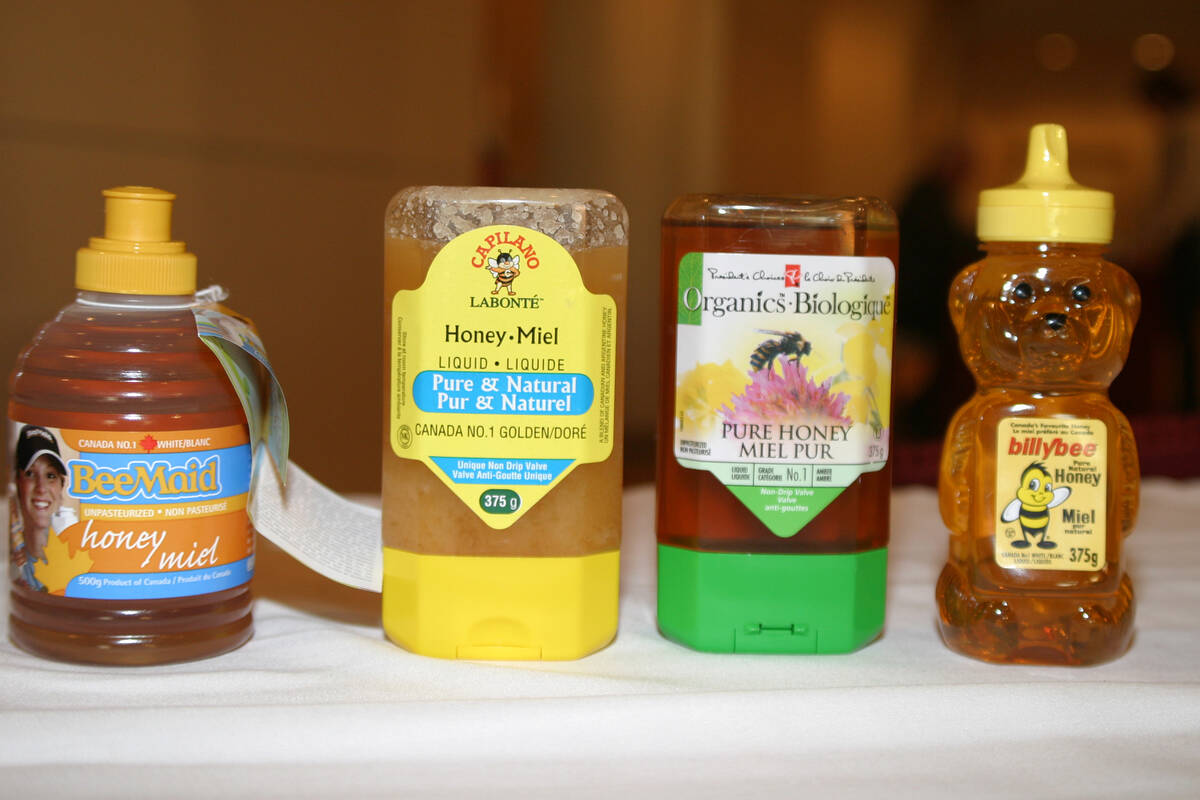
Canadian beekeepers already face an obstacle course of hurdles: wintertime bee deaths, slipping parasite control — and the resulting industry-wide scramble to find new varroa mite solutions — and bitter battles with Canadian regulators.
The last thing they need, they argue, is food fraud.
WHY IT MATTERS: The honey industry has spent years pushing against “fake” honey, which is cut with other sweeteners and which beekeepers say undermines their business and reputation producing the real deal.
Read Also
LAST PUSH TO CALVING: Feeding cows for better fed calves
Late‑gestation cattle nutrition is one of the most critical colostrum drivers for a healthy calf, Dr. Gabriel Ribeiro writes.
Unfortunately, the effort against adulterated honey has been a long slog, with little sign of letting up.
Industry largely blames international sources for the flow of fake honey, and its detrimental impacts on the market.
At risk is the financial sustainability of the beekeeping and honey industries, said Peter Awram, director of the Canadian Beekeepers Federation.
Countries that produce honey at a low cost — often through adulteration — have weakened domestic beekeeper and honey producer returns, he said.
“Places like India, Vietnam, Brazil are all providing us with these huge amounts of honey at really unbelievably low prices,” he said.
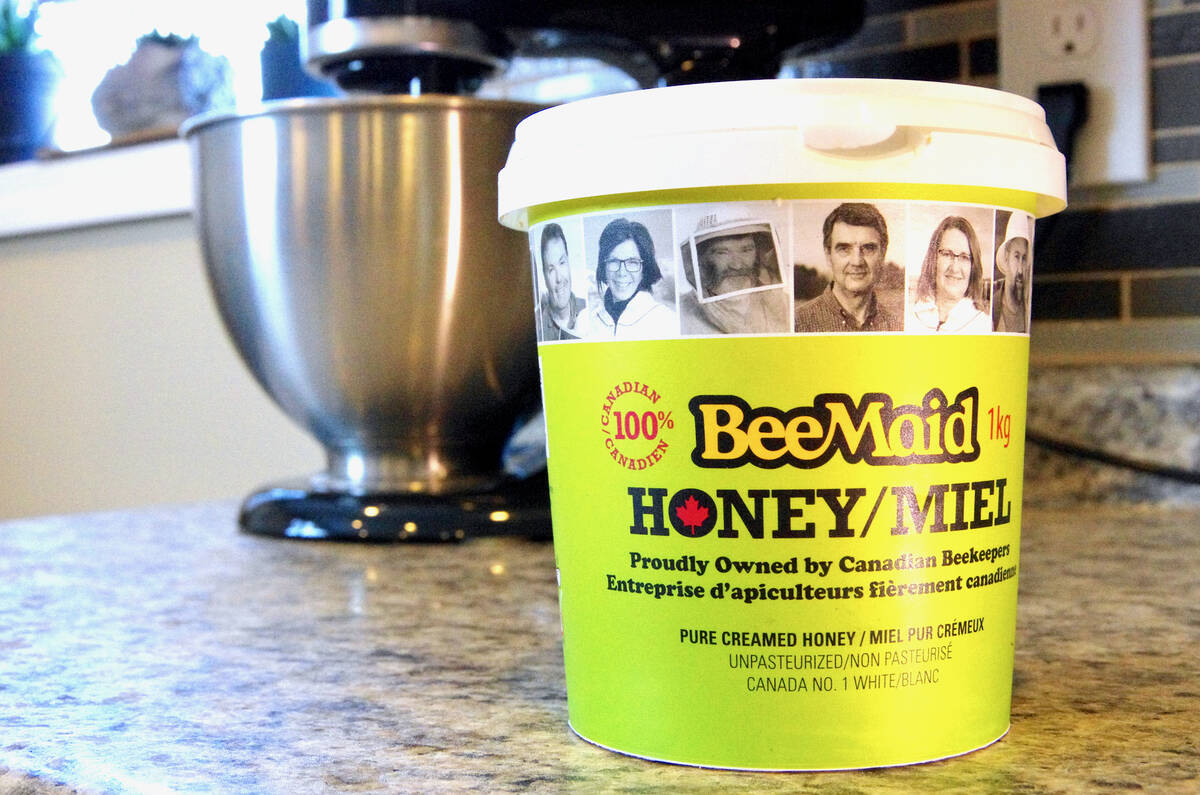
According to Statistics Canada, Canada imported 10,452 tonnes in 2024. Of that, New Zealand was the top source by value (just over $18 million worth). By volume though, Brazil was far and away top of the list, shipping 3,728 tonnes onto Canadian shores. India shipped the second highest amount, at 1,213 tonnes, with Thailand and the U.S. close behind. New Zealand was only seventh on the list of sources by volume.
Vietnam did not make the top list of honey sources by either volume or dollar value.
Pollination impacts
Canada needs a robust beekeeping sector, Awram argued. As well as honey, their honeybees provide critical pollination for crops like canola and alfalfa.
And while there’s a line between pollination services (which includes leafcutting bees) and honey production, Awram said the two streams tend to cross. When either’s prices are too low, it tends to drag the other down as well.
“When the honey price drops, there’s more beekeepers that want to (pollinate),” he noted, and that supply glut lets growers lower the price of pollination services.
“We’ve seen that in the last few years,” Awram said.
While adulterated honey itself might not be a risk to human health, he said, “the ‘health risk’ is our food supply in general is going to disappear if the beekeeping industry cannot stay healthy and cannot be out there (pollinating) all the blueberries and raspberries and the canola and all the other things … Everything that’s a fruit needs pollination of some sort.”
Syrup a culprit
The 2001 European Honey Council Directive outlines several practices to create adulterated honey.
A few include harvesting immature honey, pollen addition to disguise honey origins and dehydration of immature honey through mechanical means (rather than let the natural process run its course in the hive).
The most infamous for the beekeeping sector though, is the practice of diluting or sweetening honey with syrup — historically corn syrup, although rice syrup has seen a surge. Today, if a honey product’s ingredient list includes fructose-glucose, chances are it’s rice syrup, Awram said.
Protecting Canada’s reputation
Most adulterated honey is used as an ingredient in more processed honey products, like honey mustard, Awram said.
Adulteration misleads consumers and hits Canada’s reputation worldwide as a honey producers, he argued.
“I have seen some really bad ingredient honey,” he said.
“There was one thing that went onto honey hams and, to this day, I really don’t know what it was. It was some sort of waxy, weird stuff. It went on thousands of hams around the country.
“(When) they say honey hams … you’re expecting a certain quality, so the consumer is being deceived. They’re paying more for things that aren’t real and it’s a serious problem.”
For want of a test
The testing for adulterated honey is it’s own problem, according to the industry leader.
The predominant test for corn and cane sugar addition to honey — stable isotope ratio analysis (SIRA) — is sometimes considered inconsistent by scientists. But is the go-to bar for food exporters to pass, and Awram argues that if one lab fails the test, it’s too easy to go to another lab for a more desirable outcome.
A more reliable test, he argued, would be using a nuclear magnetic resonance (NMR) machine, a kind of “fingerprint” testing method that compares honeys across a large, reliable database of authentic varieties.
The problem, he said, is that Canadian beekeepers lack such a comprehensive database and there are nearly countless varieties of the sweet stuff.
“Anybody will tell you that honey from one part of the world can look entirely different from another, or even in the same part of the world,” he noted.
CFIA called to step up
Awram suggests the Canadian Food Inspection Agency (CFIA) should become involved in developing this database. He would also like the agency to test imported honey with the same rigour he claims it does with domestic product.
“In imports, the oversight is pretty minimal because they don’t have the resources or the ability to go and check out the production in other countries,” he said.
The CFIA does put out an annual food fraud report. The most recent, covering 2023-2024, cited domestic and imported honey testing, using for SIRA and NMR methods, although it covered only 84 samples. Of those, 10 samples (or 12 per cent) failed to meet authenticity standards. All but one of those were from imported sources.
In the late 2010’s, however, there was a spate of more concerted attention. The years from 2018-2020 saw dedicated CFIA annual reports, testing and honey surveillance. The most recent (2019-2020), reported on test results from 275 samples.
Awram noted those efforts.
Awram would also like to see stronger nomenclature regulations in place. “They could say ‘You are not allowed to call it honey mustard sauce if honey is not the primary sweetener’,” he suggested.
Canadian Food Inspection Agency Food Fraud Annual Report 2023 to 2024
Type of food misrepresentation
- honey adulterated with added sugars
Samples and testing
- marketplace monitoring
- targeted inspectorate sampling
- basic label verifications and net quantity verifications
Findings
- satisfactory 88% (74/84)
- unsatisfactory 12% (10/84)
- declared origin of 10: Canada (1) Egypt (1) France (1) Greece (1) India (2) Islamic Republic of Iran (1) Kingdom of Saudi Arabia (1) blend from Brazil, Canada, India, Mexico, United States and Uruguay (1) blend from India, United States, Uruguay and Viet Nam (1)
Enforcement actions
- prevented 10,027 kg of adulterated honey being sold in Canada
Compliance by sampling location
- Importers: 87% were satisfactory (59/68)
- Domestic processors: 94% were satisfactory (15/16)
Source: Government of Canada