Glacier FarmMedia — The intricate structure of cow hoofs is a marvel of biological engineering, but also a potential point of failure under stress.
The suspensory apparatus can be a boon or an Achilles’ heel for today’s dairy cows. Damage leads to permanent structural changes and risk of chronic lameness.
The persistent challenge of lameness in dairy cattle involves the interplay of cow biomechanics and anatomy, environment and management factors.
Read Also
Calves in the feedlot: Feed additives to beat out coccidiosis
Adding ionophores to the calf feed ration can prevent cattle disease like coccidiosis and improve digestive efficiency in Canadian feeder calves.
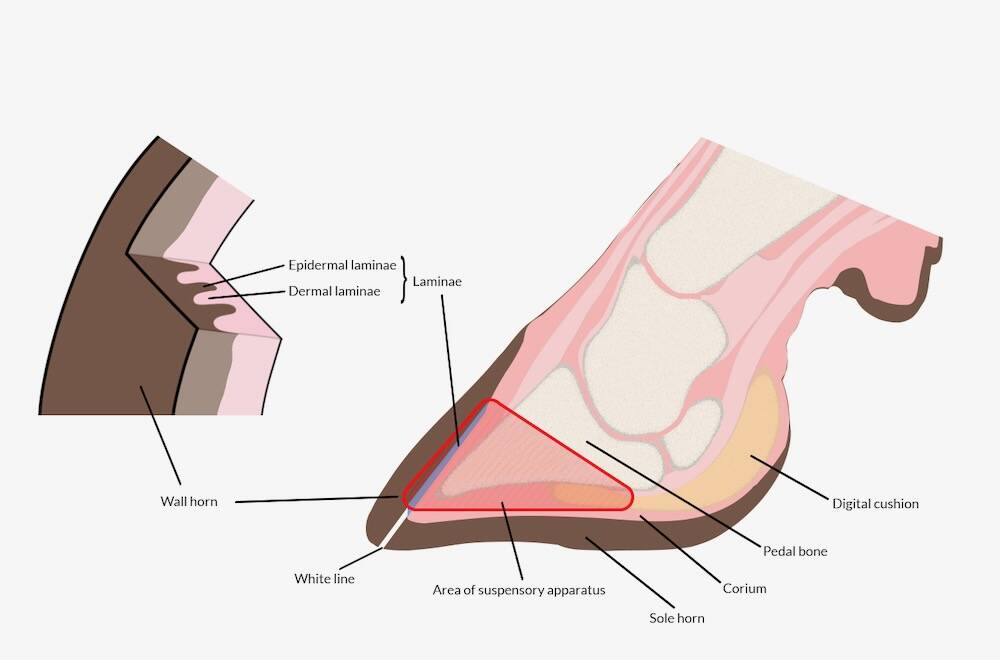
Bovine hoofs comprise a complex system that supports the pedal bone within the claw capsule. That apparatus is composed primarily of dermal and epidermal laminae and collagen fibres, which work together to maintain the position of the pedal bone within the hoof.
The dermal and epidermal laminae (the layers of skin-like tissue within the hoof) are leaf-like structures that interlock. The dermal laminae (inner layer) are connective tissues rich in blood vessels and nerves that interface with the epidermal laminae. This inner layer is part of the broader corium, also known as the quick, which provides nutrients and supports hoof growth.
The epidermal laminae (outer layer) are hardened projections that mesh with the dermal laminae, which provides a large surface area for securely attaching the hoof wall to the underlying structures. Collagen fibre bundles link the pedal bone to the basement membrane (a thin layer between the dermis and epidermis) at the dermal-epidermal junction.
They absorb and distribute forces during movement, keeping the pedal bone stable and in place. This apparatus, along with the digital cushion (a fatty, fibrous pad under the pedal bone) and other connective tissues, is essential for maintaining alignment and structural integrity of the pedal bone.
Laminitis is a prime example of a condition that affects the whole apparatus. It is a systemic disease that shows up in the claws, causing inflammation and degeneration of laminar structures in the hoof. Laminitis disturbs the microcirculation of blood in the corium, leading to breakdown of the dermal-epidermal junction.
This degrades collagen fibres. During laminitis, the pedal bone can sink or rotate within the claw, compressing the corium and causing sole ulcers and white line disease.
Once the suspensory apparatus is damaged, it cannot fully recover, leading to permanent changes and a higher risk of chronic lameness. Displacement of the pedal bone causes constant compression and pinching of the corium (quick) between the pedal bone and the sole of the hoof.
This compromises the hoof’s ability to support weight and absorb shocks. Cows with a history of hoof lesions are much more likely to become lame again compared to those never affected. Preventive measures are needed to maintain foot health.
The structure of the bovine digit embodies strength and vulnerability. Its intricate design and functionality are vital for cow mobility and overall hoof health.
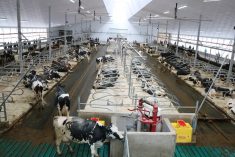
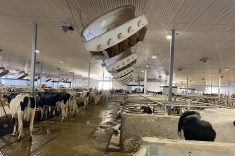
However, modern dairy farming practices, particularly prolonged standing on hard surfaces, place excessive stress on this structure. The shift from pasture-based systems to concrete flooring has markedly increased the incidence of lameness, as the hoofs struggle to effectively dissipate the constant pressure.
This, combined with other environmental and production pressures, makes them more susceptible to damage.
Proactive management practices are essential to safeguard hoof health and function. These include regular hoof care, encouraging sufficient lying time, minimizing exposure to hard surfaces, early detection of lameness and proper nutrition.
By addressing these factors, the risks can be mitigated and the long-term well-being of dairy cows can be enhanced, ensuring the suspensory apparatus remains a boon rather than an Achilles’ heel.