When I was bit by the fly fishing bug in my teen years, I soon developed an obsession about going after trout.
A trip to the Rockies was out of the question, though, so I settled on the next best thing: getting up to Manitoba’s Duck and Porcupine Mountains, with their abundant trout-stocked waters.
I vividly recall my first exposure. Rising over 1,000 feet just west of Provincial Trunk Highway 10 and northwest of Dauphin, the Duck Mountain escarpment dominated the landscape like nothing I had seen before. Driving up the escarpment on rough gravel roads, one is quickly enveloped by spruce and mixed-woods forests, deep valleys and high hills, all replete with creeks and lakes.
Read Also
Manitoba cattle prices April 1
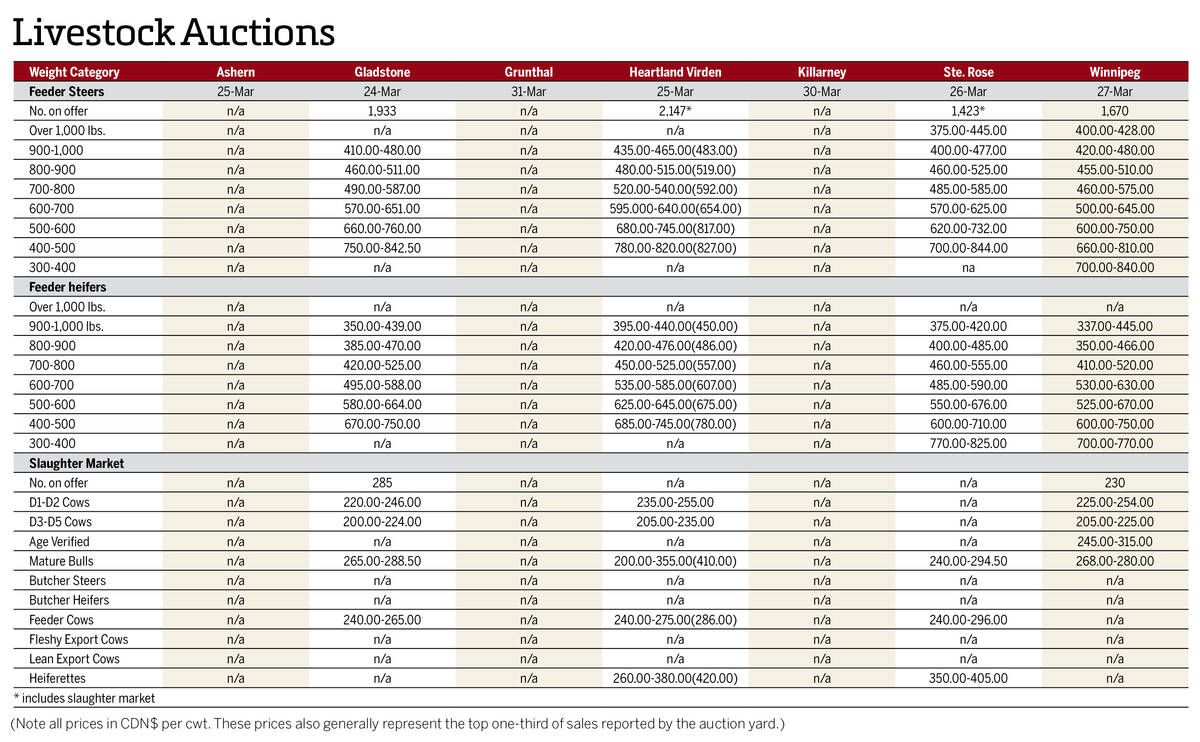
Here’s what cattle were selling for in Manitoba from March 24-31, 2026. Four of the seven main livestock auction marts held sales.
I was driven by trout, but the general wild magic of the area also called to me. For over a decade, I found ways to hit the area as much as I could.
That pretty much ended when the demands of a growing family took over. It was relegated to a few day trips to a favourite trout stream when I visited my brother at his Lake Audy farm.
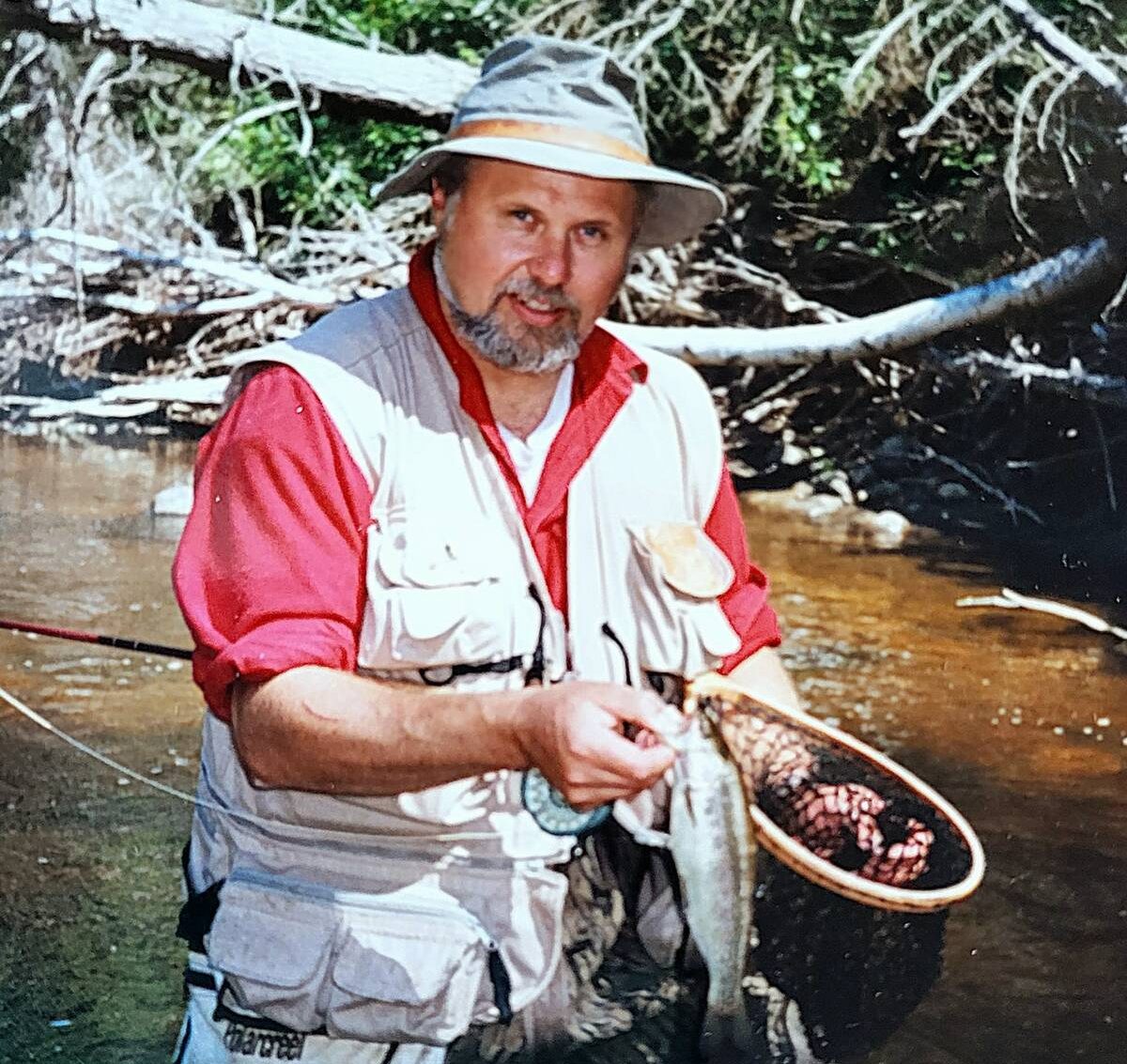
I’m long overdue for another trip to the region, if for no other reason than the tantalizing fishing reports that I receive. But I also want to see, first-hand, the results of the decades-long efforts of a unique group, Swan Valley Sport Fish Enhancement (SVSFE).
Their tireless volunteer work, effective partnerships, and a laser-like focus on creating and enhancing angling opportunities, has helped to ensure that the Duck and Porcupine Mountains regions continue to offer premiere angling opportunities.
A short history of Swan Valley fish enhancement
Holly Urban and Brock Koutecky, SVSFE technicians who have led a crammed program for SVSFE since 2009 and 2013, respectively, filled me in on the group’s history, activities and successes. As we chatted, the words ‘passion’ and ‘persistence’ kept coming to mind.
In the early 1980s, one of the Duck Mountains’ key recreational fisheries, Wellman Lake, fell on hard times. The walleye population had collapsed and local anglers wanted to put their shoulders to the wheel to help get it back on track. A combination of stocking, spawning reef development and regulation changes brought the lake back. The local volunteers worked hand-in-hand with provincial fisheries managers to make it happen.
Seeing what could be accomplished by working together, folks thought it was time to scale up the approach across the region.
“It was all about building relationships,” said Urban.” Widespread volunteer support, tied to guidance and efforts by provincial fisheries staff made it easier for everyone to get more done.”
Early success with the walleye spawning project at Wellman Lake has led to other lake enhancements. Beaver Lake, originally developed for trout, suffered an invasion of perch. The folks switched to walleye stockings, added a walleye spawning shoal and the area is now a fine walleye fishery.
Nearby, Black Beaver Lake was developed as a trout fishery, but it suffered frequent winterkill. A weir was constructed on the outlet to raise water levels.
One of the most popular walleye lakes in the Porcupine Mountains called Whitefish Lake, ironically, has an ongoing beaver management program on its inlet creeks to maintain fish access to spawning habitat.
SVSFE and provincial fisheries: a marriage made on the water
Ken Kansas, now retired from the provincial government, landed a provincial fisheries biologist position in Roblin in 1990 and got to know SVSFE folks soon after.
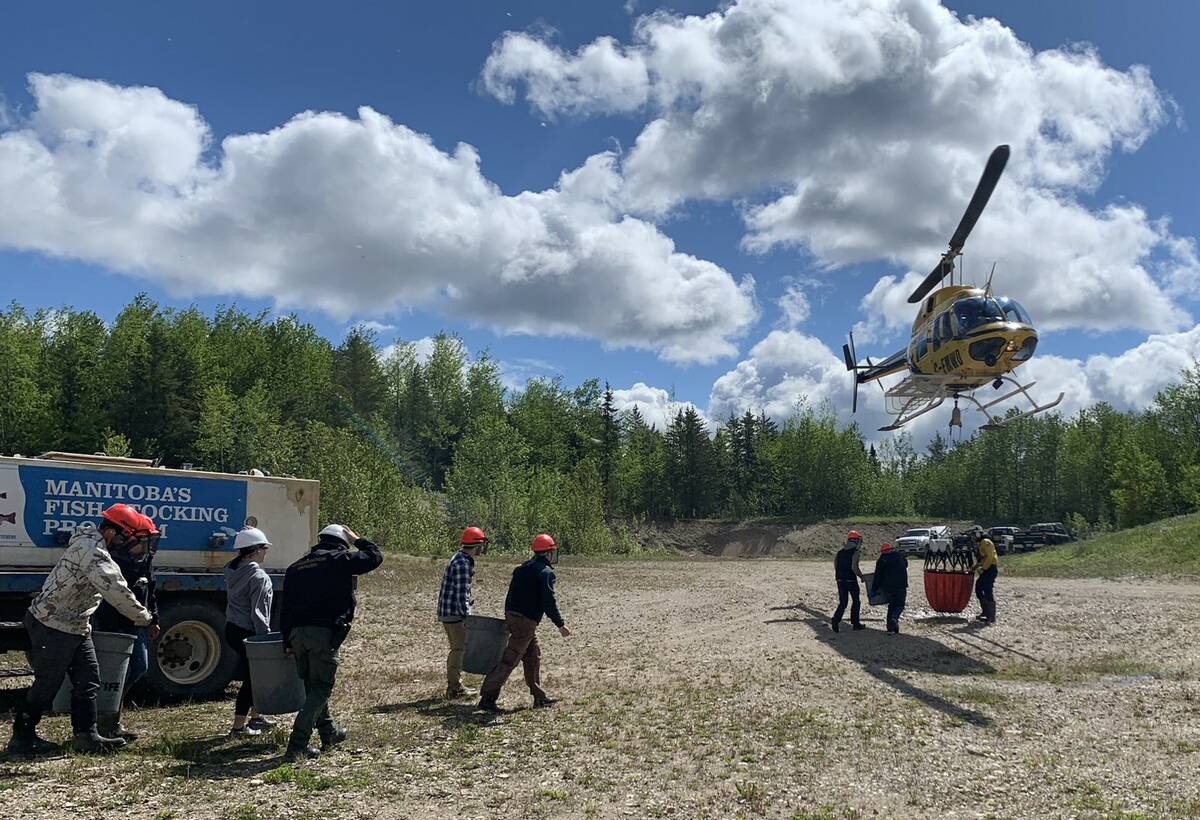
“They wanted to be involved in everything, from stocking, to monitoring and research. We worked together on many, many projects,” he said. “We could count on SVSFE to provide volunteer and staff support when we needed it.”
Ken also remembers that SVSFE was keen to learn the art and science of fisheries management. “They listened to the advice we provided,” he said.
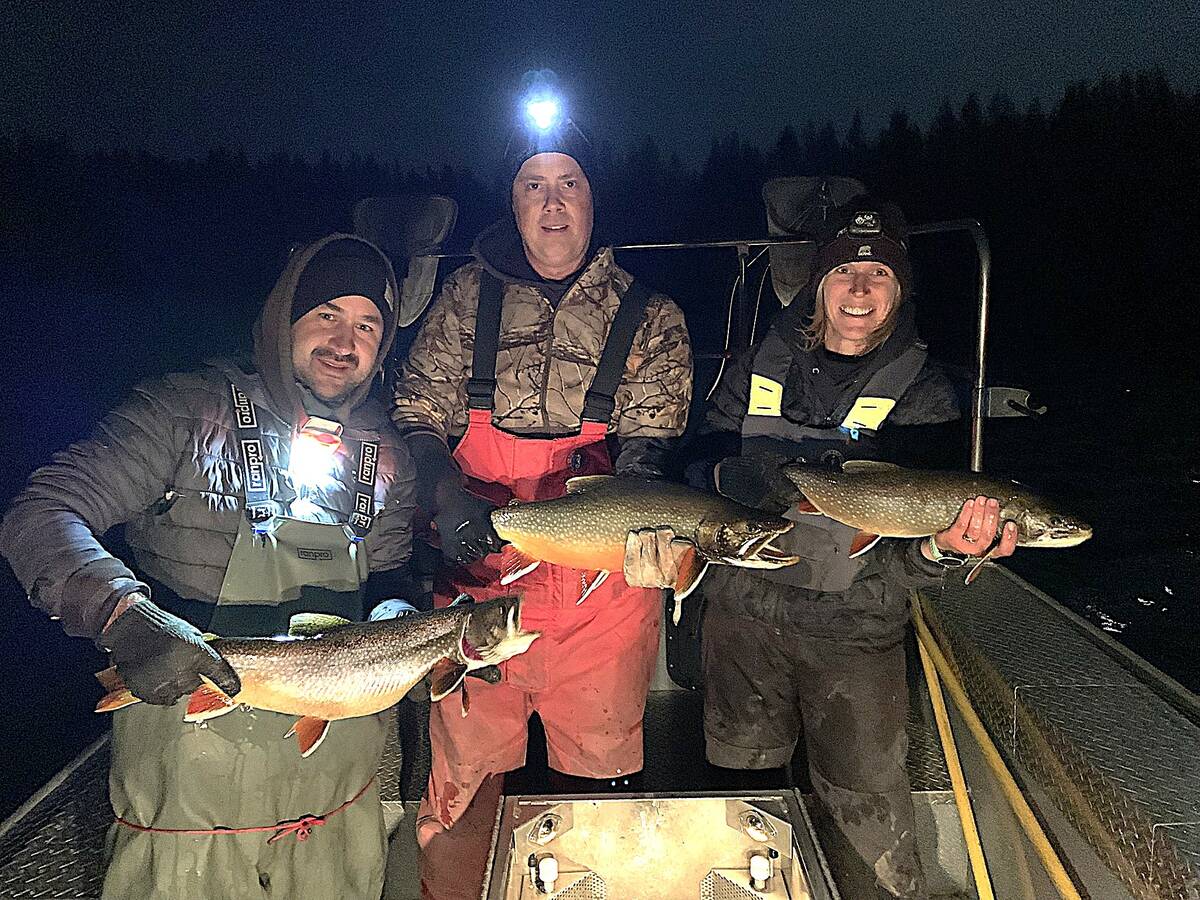
For example, he points to SVSFE’s increasing involvement in population monitoring using the province’s electroshock fish sampling boat. Electroshocking and the use of live traps are non-lethal monitoring techniques: fish can be captured, sampled and then released unharmed, or even transported to other lakes for restocking purposes. Gillnets are also a fish monitoring tool, but result in a pile of dead fish.
Results you can catch
SVSFE activities fall into five major categories: stocking, habitat enhancement, surveys and monitoring, angler access projects and angler education. Koutecky estimates that the group has worked on over 50 bodies of water.
“We’ve had a hand in managing, improving or creating most of the recreational fisheries in the area,” he noted.
The Duck and Porcupine Mountain lakes are an interesting mix. Some hold pike, walleye and perch, species one traditionally expects in Manitoba.
But there are also many deep lakes that historically had no sport fish species, usually because they’re landlocked or have a very limited outlet. This fish void was an opportunity for the Manitoba government’s fish stocking program, which goes back decades. Often, that means stocking brook, rainbow, brown, splake or tiger trout. Many lakes also receive fry or juvenile walleye plantings, and a few have gained smallmouth bass.
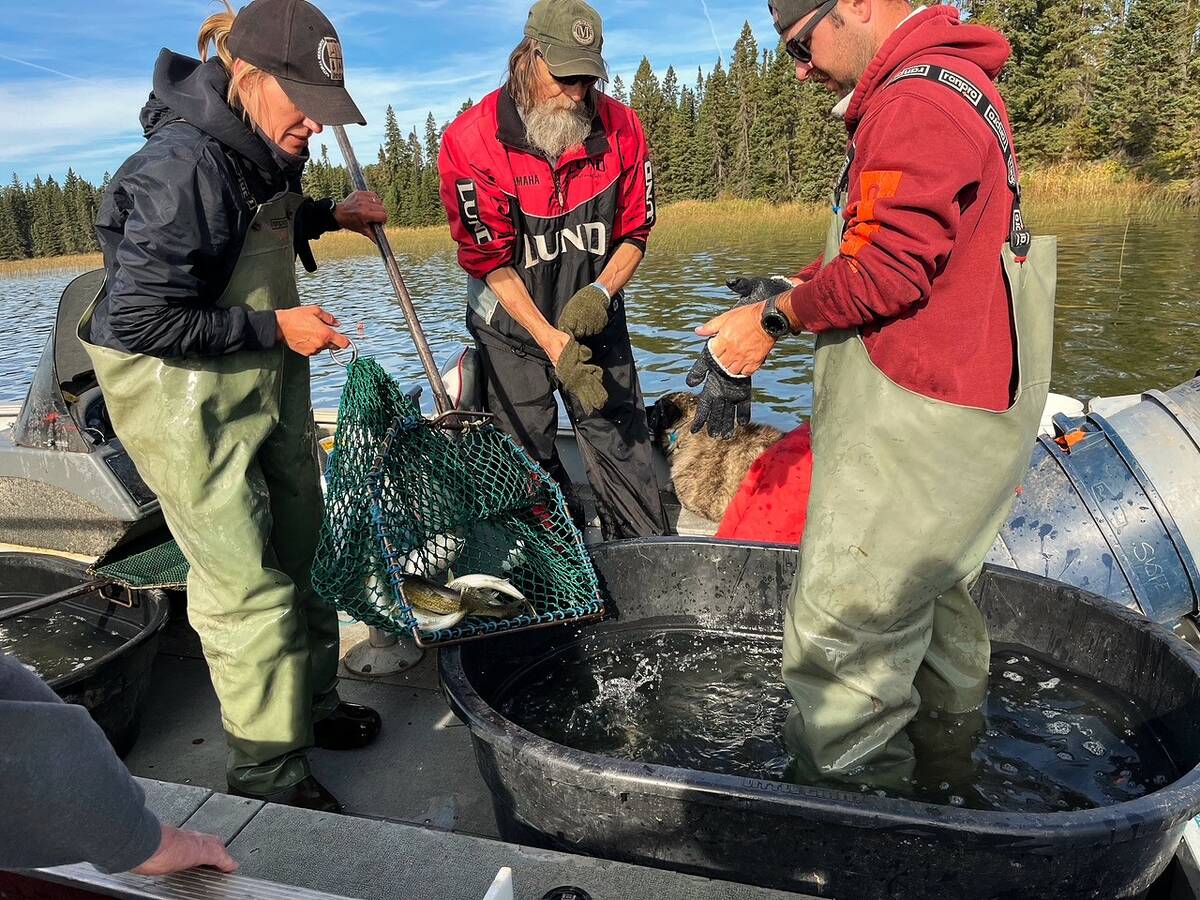
If you’re looking for a really exotic experience, check out the lakes stocked with arctic char. The online provincial fish stocking dashboard has detailed information on each stocked water body in the province.
Fisheries managers and SVSFE have come up with some interesting species combinations. Walleye and trout co-exist quite well in some lakes in the region.
Provincial fisheries staff, with help from SVSFE, have kept up their search for new fishing opportunities that could be developed by stocking and/or habitat enhancement. SVSFE staff and volunteers often lend field support to these efforts to bring on new fisheries.
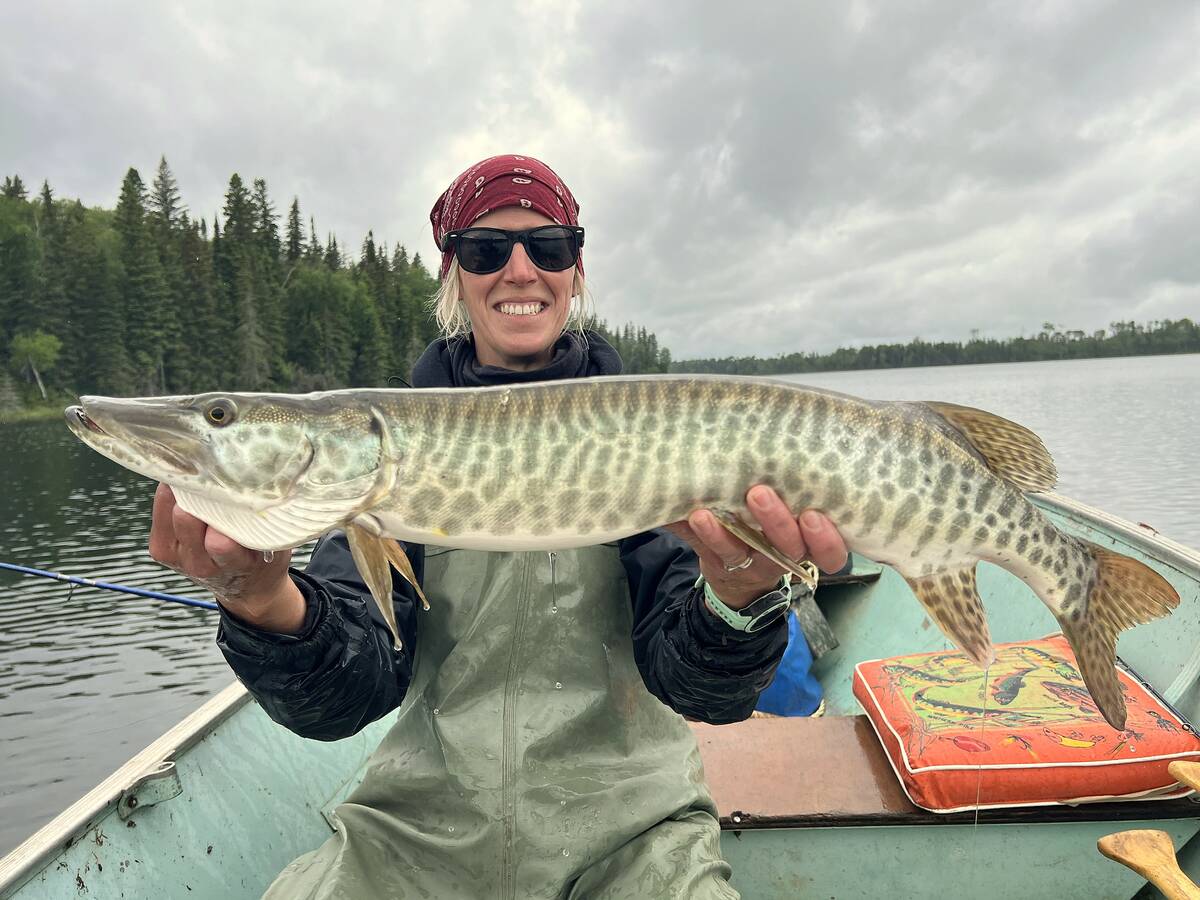
A unique recent addition is West Wajask Lake, the province’s only muskie-fishing opportunity. SVSFE’s commitment here included buying muskie stock from the U.S., navigating a tortured regulatory process at the border and keeping the transplants healthy all along the way. The lake’s road access and boat launch also received a major upgrade. Manitobans who have caught their first muskie in the Duck Mountains can attest to SVSFE’s persistence and ultimate success.
Top fishing files
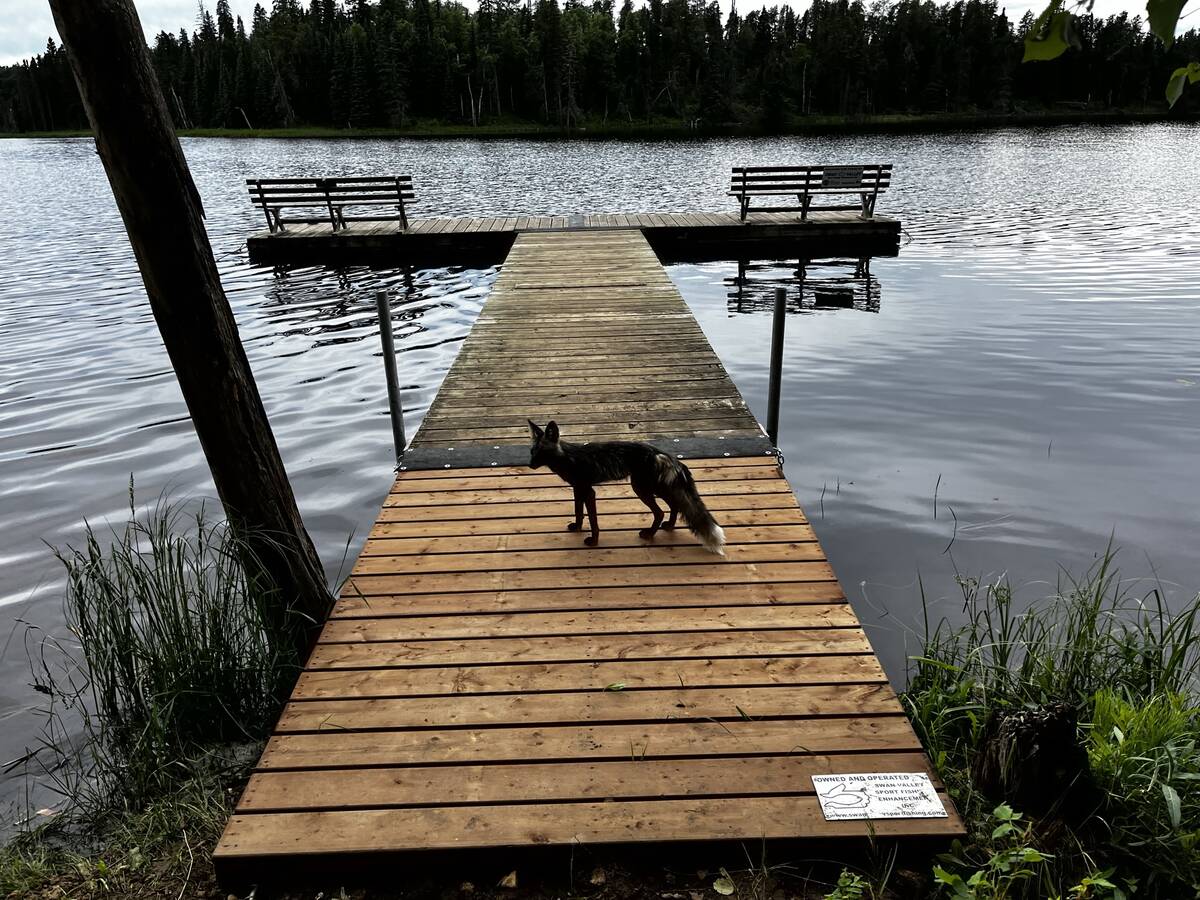
Improving angler access is high on SVSFE’s ongoing priority list. In addition to informative signage, access projects include parking areas, boat launches and shore-fishing docks. The docks are a godsend for anglers without a boat, or who may have limited mobility.
“We have developed and continue to manage about 20 shore locations,” said Koutecky.
For more remote areas, SVSFE maintains many walking and ATV trails.
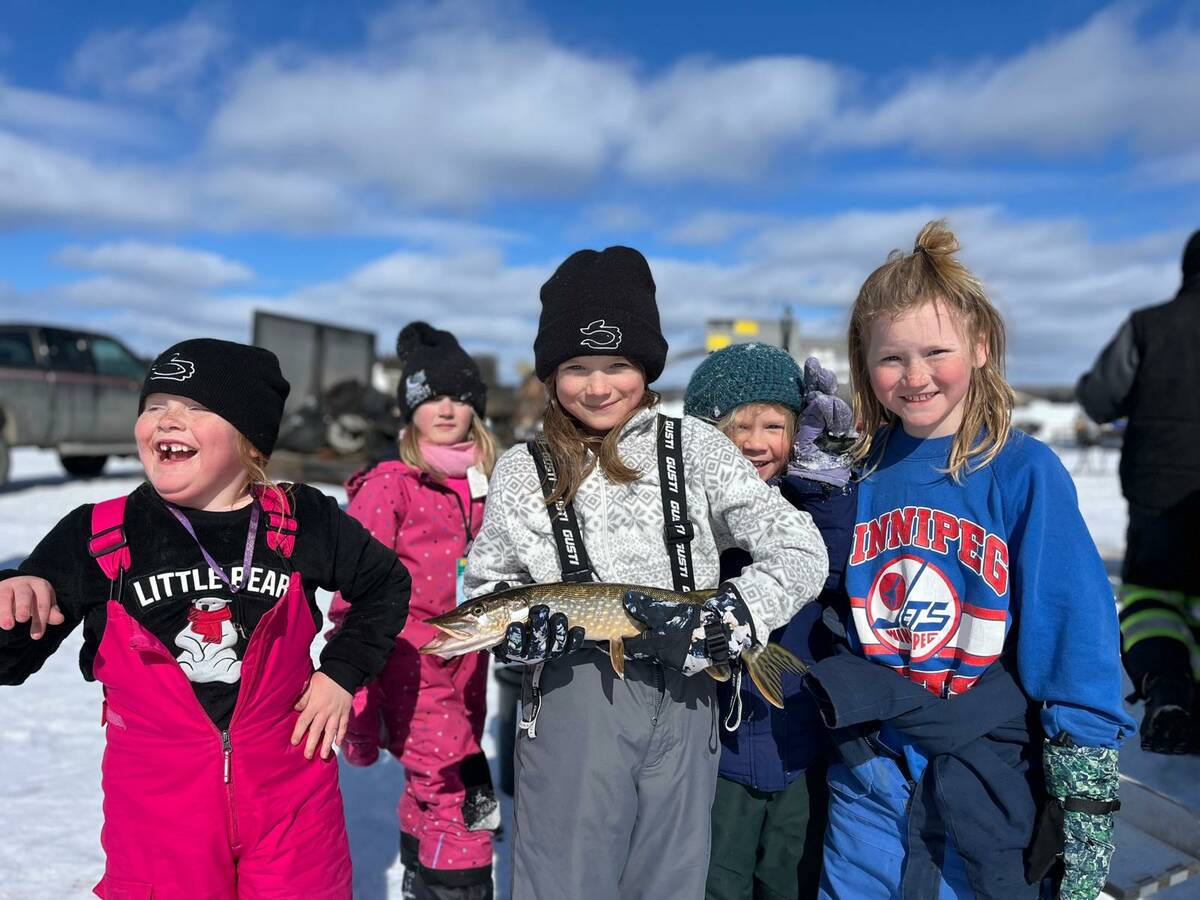
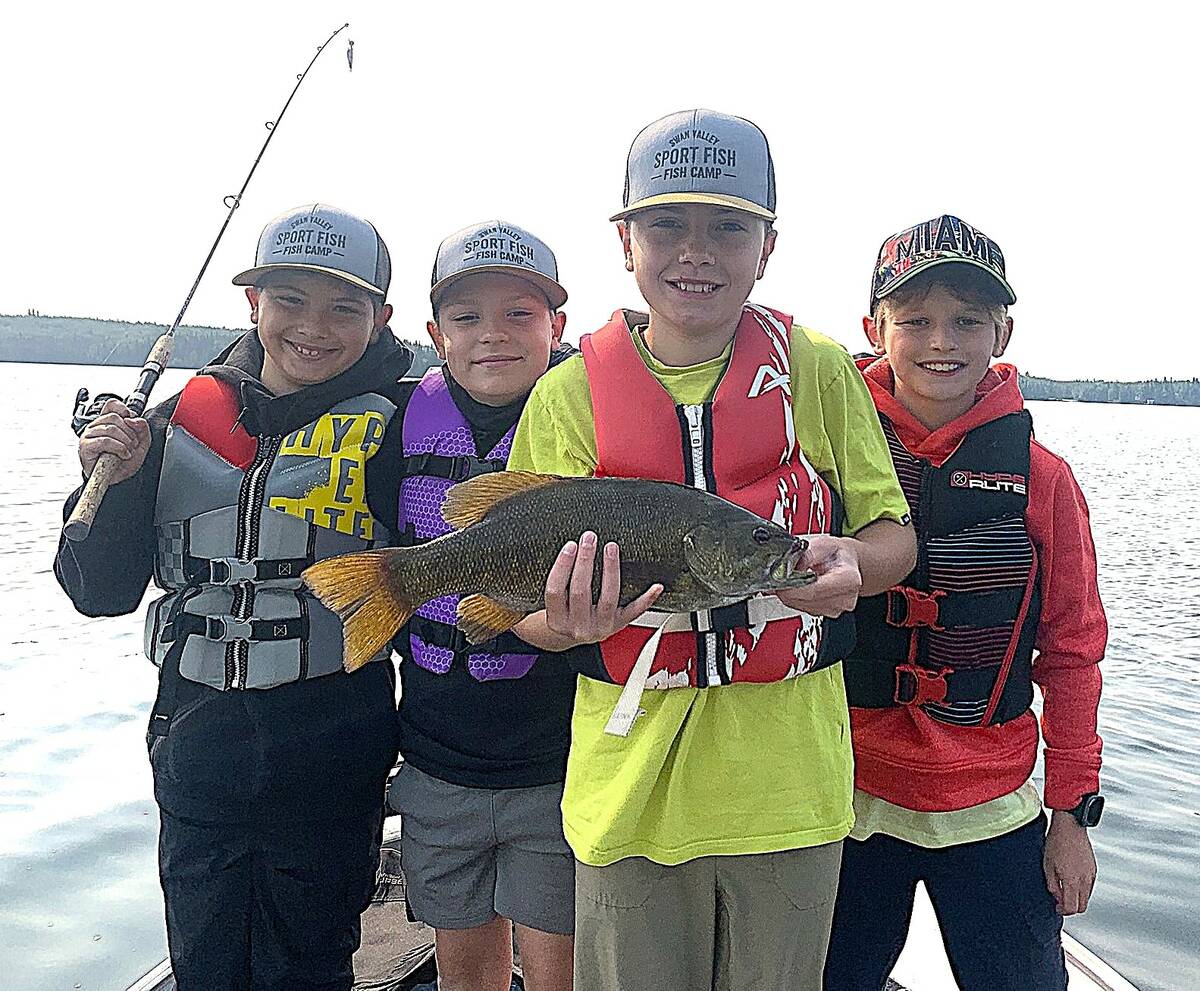
SVSFE also has an intensive youth angling program, including summer day camps that offer a structured opportunity for kids to wet a line and maybe catch their first fish. Winter fishing events are also held for youth and families.
Teens and young adults have also gained work experience through SVSFE, and the group sponsors a bursary program for students looking to pursue post-secondary education in resource management.
Building financial support
Creating a base of funding was a priority from the start for the volunteer board of directors. It runs an annual boat raffle and a fish fry. Upwards of 600 supporters have shown up for the annual spring event.
Local industries, cottager associations and resorts also get behind SVSFE. A recent example is the new access road, boat launch and dock at West Wajask Lake. Louisiana-Pacific, which operates a forest products mill in Swan River, supported the project. SVSFE also secures grants from Manitoba’s Fish and Wildlife Enhancement Fund.
Where to fish
Manitoba ‘mountain’ lakes and rivers are a wonderfully mixed bag of opportunities. Some lakes have the brown-stained look of boreal forest waters, while others, isolated and with gravel shores, are crystal clear. Many have easy road access, while wild experiences await those willing to hike down a trail.
Before making the trip up, check out the SVSFE website. Many lakes and rivers are profiled with detailed information on species and access, as well as contour maps.
Walleye and pike anglers can start off at Wellman Lake, which also has chunky smallmouth bass. Singush Lake also offers the same species mix. The largest lake in the Ducks, Child’s Lake, has pike and walleye, along with lake trout.
In the Porcupine Mountains, Steeprock and Bell Lakes are popular for walleye, but also hold large pike. Exceptional whitefish fishing is also available. Whitefish Lake, on the south side of the Porcupines, is also a good walleye lake. Check out the SVSFE website for some of the smaller water bodies that are also gems to fish.
The list of stocked trout lakes is impressive. At the center of the Ducks, East and West Blue Lake both have a number of trout species and walleye as well. Other well-known trout lakes include Gull, Laurie, Beautiful and Two-Mile Lakes. On the south side of the Ducks, Persse and Tees Lakes can be exceptional. Nearby, Twin Lake has tiger trout fishing that’s in a class all its own.
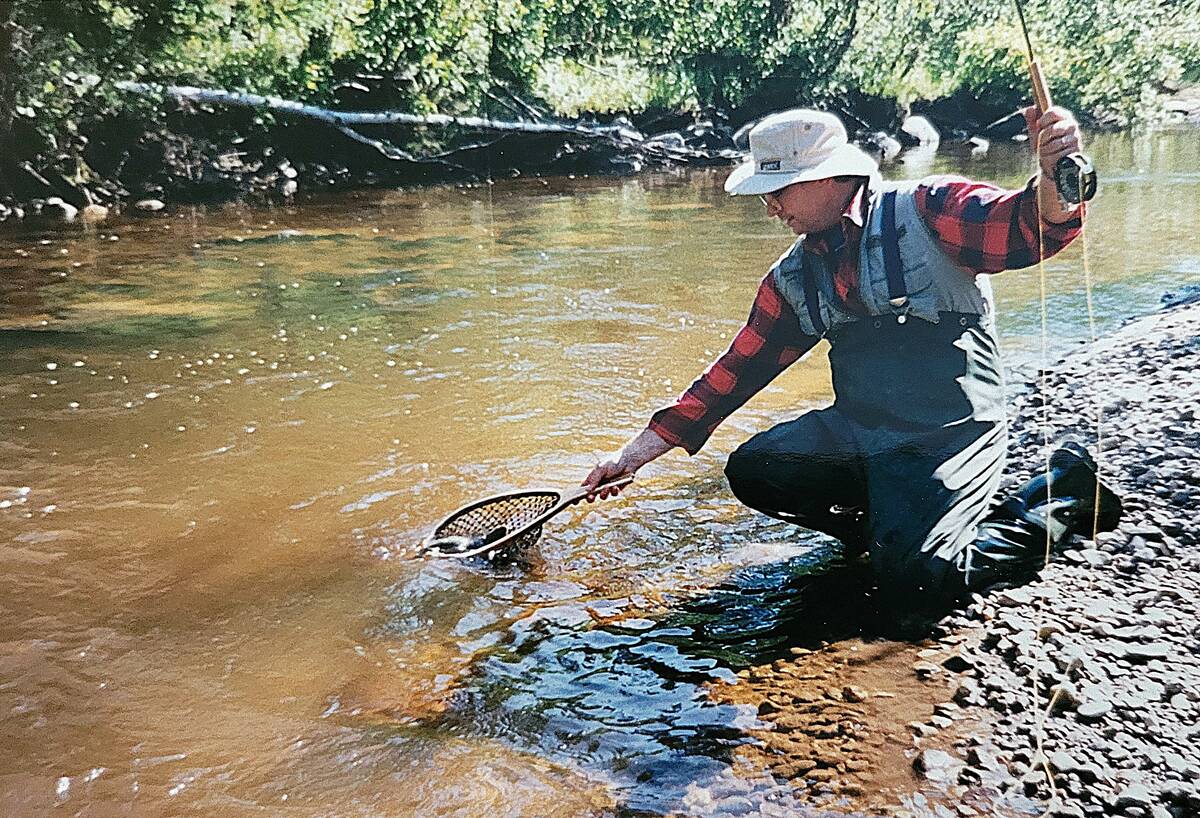
If you’re dying to fish a stream for trout, you need to hit this region. I’ve hiked the stunning Pine and Steeprock Rivers, and would love to take in the wild splendor of the Armit River in the north Porcupine Mountains.
Writing the piece reminded me of how much I miss this unique region. It’s a Manitoba gem, and not only because of the fishing.
If you have enjoyable fishing up there, remember to tip your hat to SVSFE. Its effectiveness begins with a vision that’s carried forward with passion and a never-quit attitude. SVSFE’s secret sauce also includes a knack for maintaining important relationships and a willingness to be guided by fisheries management principles. On the cusp of four successful decades, the SVSFE flame never seems to burn low.