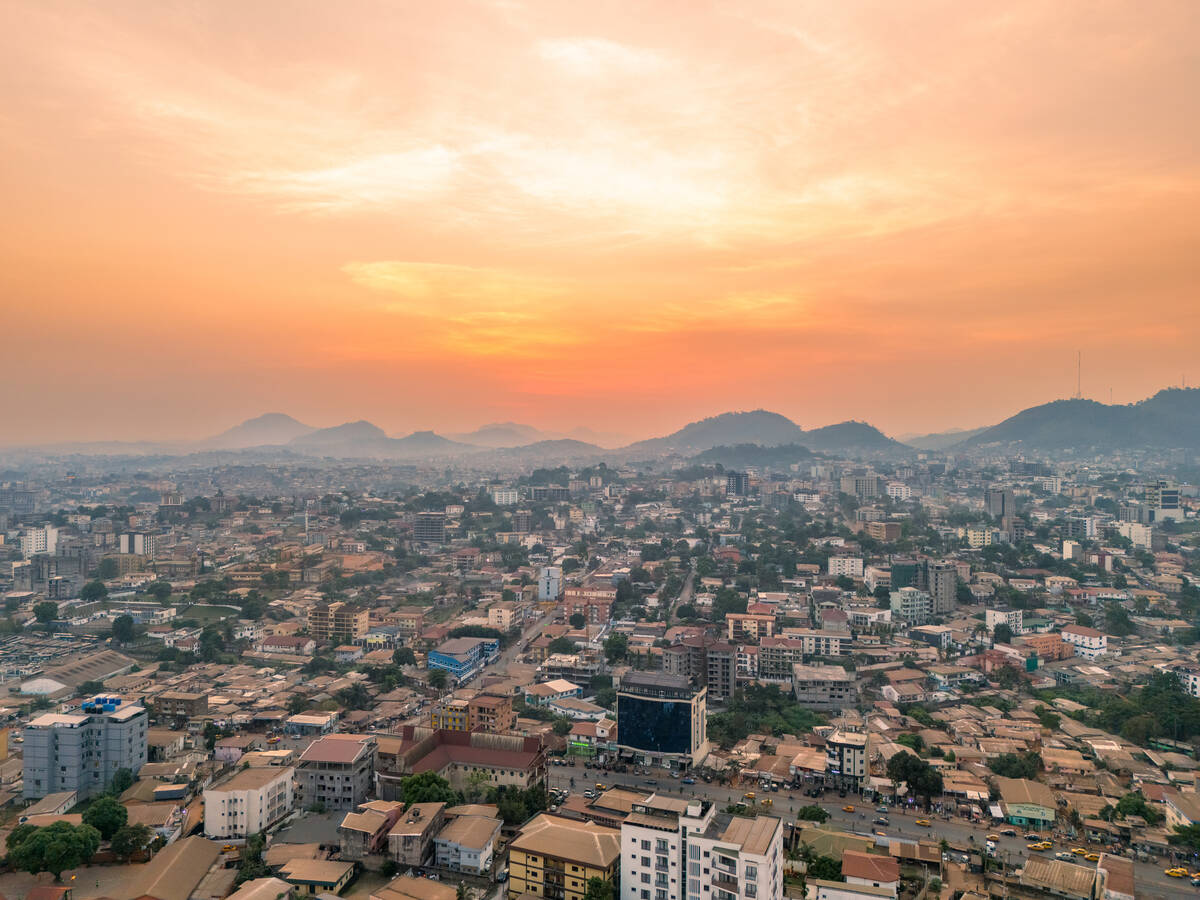
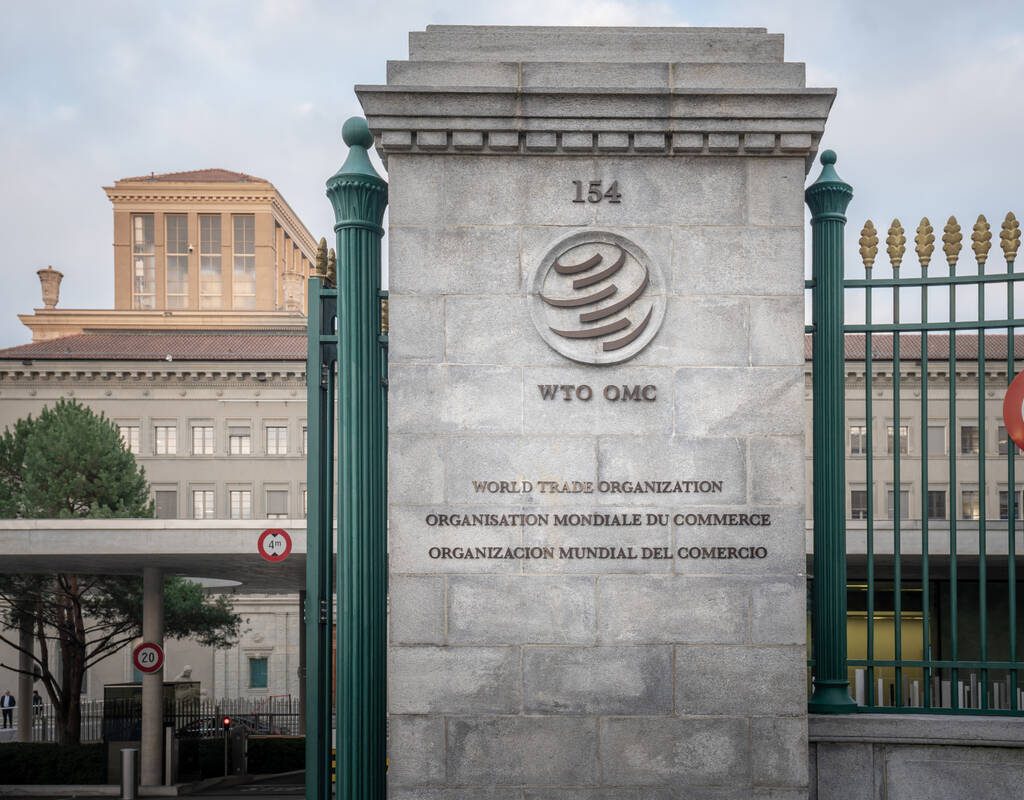
The group representing the world’s biggest crop protection and plant science firms says this week’s World Trade Organization ministerial conference marks “a crucial moment for the future of rules-based trade and the WTO itself.”
With agriculture and intellectual property both on the agenda at the WTO’s 14th ministerial conference (MC14), running March 26 to 29 at Yaoundé in Cameroon, CropLife International on March 25 called on WTO member governments to “uphold agricultural resilience and productivity and prevent unnecessary trade barriers.”
That said, reform of the WTO itself, particularly its dispute settlement system is a priority on the MC14 agenda, the WTO said in a separate release earlier this month.
Read Also
National soil strategy bill set to pass in Senate
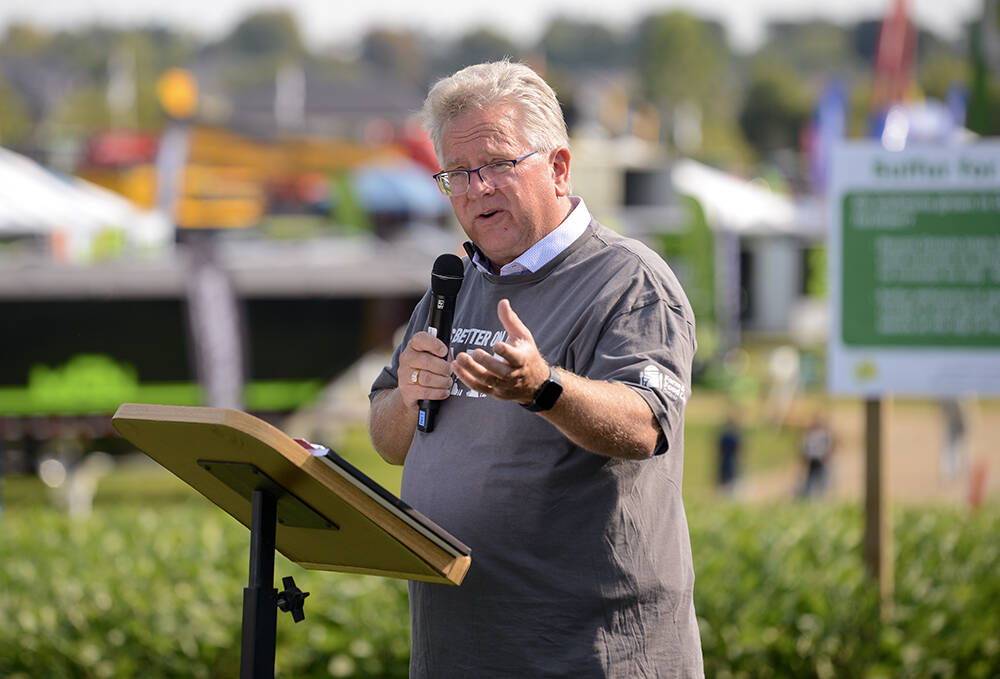
Bill S-230, the National Strategy for Soil Health Act, would develop a national strategy for soil health protection, conservation and enhancement based on recommendations from Black’s 2024 Senate soil health report: “Critical Ground”. It is expected to pass its third reading in the Senate on March 26.
“The WTO has long spoken of unfinished negotiations and long-overdue reform, yet too often our promises have outpaced our results,” WTO director-general Ngozi Okonjo-Iweala said. “This conference must demonstrate that this time is different.”
The multilateral, rules-based trading system the WTO represents “plays a critical role in advancing global food security,” said CropLife International CEO Emily Rees said in a release. The conference “provides an opportunity to reaffirm the core principles on which the WTO was built.”
Brussels-based CropLife, in a brief filed with the WTO, laid out recommendations for the ministerial conference in areas where it says WTO members “can act to promote fair, sustainable and innovative agricultural trade,” including:
- sanitary and phytosanitary complaint approaches that support food security through supply chain resilience;
- protections under the WTO agreement on trade-related aspects of intellectual property rights (TRIPS), and
- sustainable agricultural development.
Concerns around sanitary, phytosanitary issues
CropLife called on the WTO to “uphold risk-based approaches” as the foundation for sanitary and phytosanitary measures keeping with the WTO’s agreement. It also would see reinforcement of the Codex Alimentarius — the standards for international food safety — together with the International Plant Protection Convention and World Organization for Animal Health, as “the reference international standard-setting bodies for food safety, plant health, and animal health.”
It called on WTO members to work to resolve outstanding trade concerns around sanitary and phytosanitary issues — especially those related to pesticide maximum residue levels and to avoid such problems at the outset.
CropLife also asked member countries to safeguard the WTO’s TRIPS agreement to drive “agricultural innovation and sustainable growth” and see that patent protection, plant variety rights, regulatory data protection and other IP mechanisms are maintained and strengthened.
As for sustainable development, CropLife called on member countries to seek “inclusive, outcome-focused, and science-based approaches that balance economic, social and environmental objectives, while avoiding unnecessary barriers to trade or innovation.”
It also urged members to avoid “one-size-fits-all or prescriptive requirements” so there’s flexibility for regional approaches that fit local conditions. Member countries’ governments should also not impose sustainability policies on other jurisdictions.
Ag trade
According to WTO briefing notes prepared for MC14, since member countries began negotiations on agriculture in 2000, the value of ag trade has grown to US$1.494 trillion in 2024, from about US$300 billion.
The average applied tariff on agricultural goods, including trade preferences, dropped from 13 per cent in 2005 to 5.7 per cent in 2023, the WTO said, but added that ag and food markets “remain highly distorted,” with support to individual producers estimated at about US$624 billion per year on average in the 2022-24 period.
Recently, “new tensions related to trade and other issues have complicated the challenge of making progress,” the WTO said.
Leading up to MC14, member countries have tabled several submissions on agriculture, trade and food security. These aim to provide guidance on “how to revitalize the agriculture negotiations and overcome (a) persisting stalemate.”
Earlier this month the chair of the agriculture negotiating body, Pakistan’s Ali Sarfraz Hussain, tabled a draft text reflecting members’ submissions.
Most members indicate the text could serve as a basis for further discussion, the WTO said, but “a small number of members stated that they were unable to support it in its current form.”
A call to overhaul trade
On the opening day of meetings, WTO chief Ngozi Okonjo-Iweala called on countries to overhaul global trade rules, telling them the old world order had gone for good, following a year of turmoil sparked by U.S. tariffs and wider geopolitical tensions.
Okonjo-Iweala set out a list of problems facing the World Trade Organization – including the paralysis of its dispute-settlement mechanism.
“The world order and multilateral system we used to know has irrevocably changed. We will not get it back … We must look to the future,” the WTO Director-General said.
Ahead of the session, some diplomats and trade officials warned that without an agreement on reforms, countries could start abandoning the ideal of a rules-based global trade system, and set their own regulations.
Okonjo-Iweala said the body’s problems over decision-making needed to be tackled. Its current consensus-based model has been regularly stalled by objections from some countries. Some delegates are pushing for the organization to let groups of members form agreements.
She also said there was a lack of transparency over which countries were using subsidies.
“Lack of transparency leads to lack of trust, and that breeds suspicions of unfairness and anti-competitive behaviours,” Okonjo-Iweala told delegates.
This contributed to a “vicious cycle” of mistrust which was holding back members from agreeing new rules and reforms, she added.
The U.S. supports reforms but is resisting a detailed work plan, while the EU, Britain, and China back one, internal reform documents seen by Reuters show.
—with files from Reuters