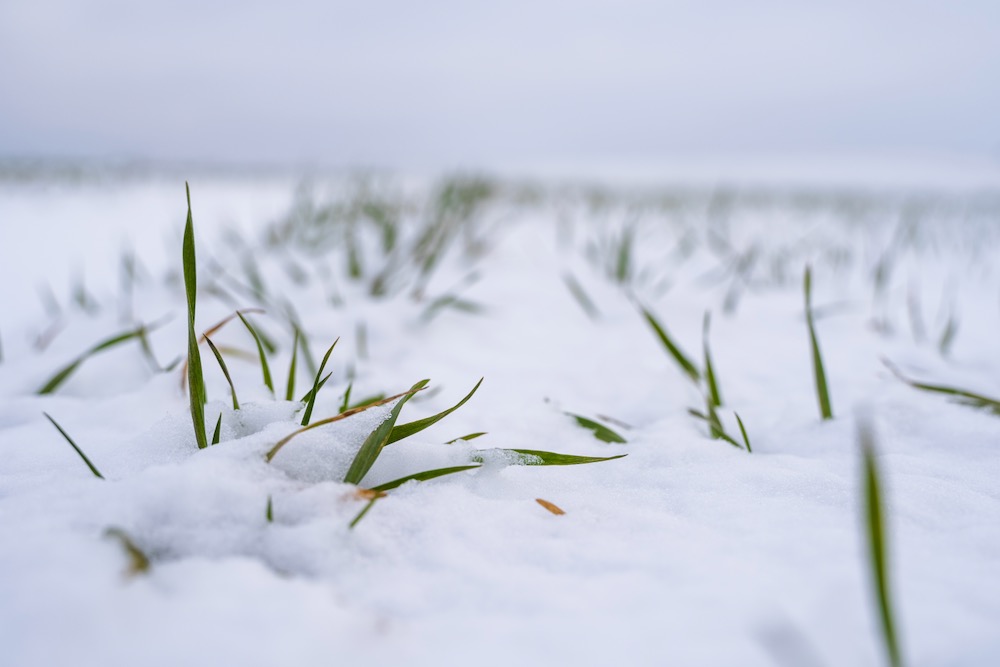
Moscow | Reuters—Conditions for winter wheat crops will worsen in Russia’s Central and Volga areas in January as warmer-than-usual weather and excess moisture causes sprouts to keep growing during the winter, the state weather agency said on Saturday.
Winter crops account for 90 per cent of wheat production in Russia, the world’s top exporter of the grain. Analysts have been reducing their 2025 wheat harvest and export forecasts following reports that more than 37 per cent of winter crops are in poor condition or have failed to sprout.
Read Also
Klassen: Stronger barley prices weigh on feeder cattle values
For the week ending March 21, Western Canadian feeder cattle markets traded $10/cwt higher to $10/cwt lower compared to seven…
The weather agency said snow cover in the Central and Volga regions had reached 28-30 cm (11-11.8 inches), but that the probability of much colder spells is low – creating a risk of potential plant damage due to excessive wetness.
Continued growth during winter weakens winter crop sprouts, leading to unnecessary consumption of sugar and energy.
The Central area includes Voronezh, Russia’s fifth-biggest grain producer, and Kursk, Russia’s seventh-largest grain-producing region. The Volga area includes Saratov, the country’s No. 6 grain-producing region.
The agency added that conditions for winter crops in the Southern area, which includes Russia’s largest grain-producing regions, Rostov and Krasnodar, would be satisfactory, although the level of moisture in the soil is expected to remain low.
—Reporting by Olga Popova