Washington | Reuters — The World Bank, International Monetary Fund and the U.N. World Food Programme warned on Wednesday that sharp increases in oil, natural gas and fertilizer prices triggered by the war in the Middle East will inevitably cause rising food prices and food insecurity.
In a joint statement issued after a meeting on the war, the leaders of the global institutions said the burden would fall most heavily on the world’s most vulnerable populations, particularly in low-income, import-dependent economies.
Read Also
B.C. agrochemical startup gets $1.2M in federal funding
Anodyne Chemistries Inc. from Burnaby, B.C. received $1.2 million from the federal government for its process turning carbon dioxide and water to hydrogen peroxide and formic acid.
They said their institutions would continue to monitor developments closely and “coordinate the use of all available tools to support those impacted by the crisis.”
Increases in oil, gas, fertilizer prices
U.S. President Donald Trump on Tuesday announced a two-week ceasefire deal between the United States and Iran, but relief over the truce quickly gave way to alarm that fighting was still raging across the region, with Israeli strikes on Lebanon and Iranian attacks on Gulf oil facilities.
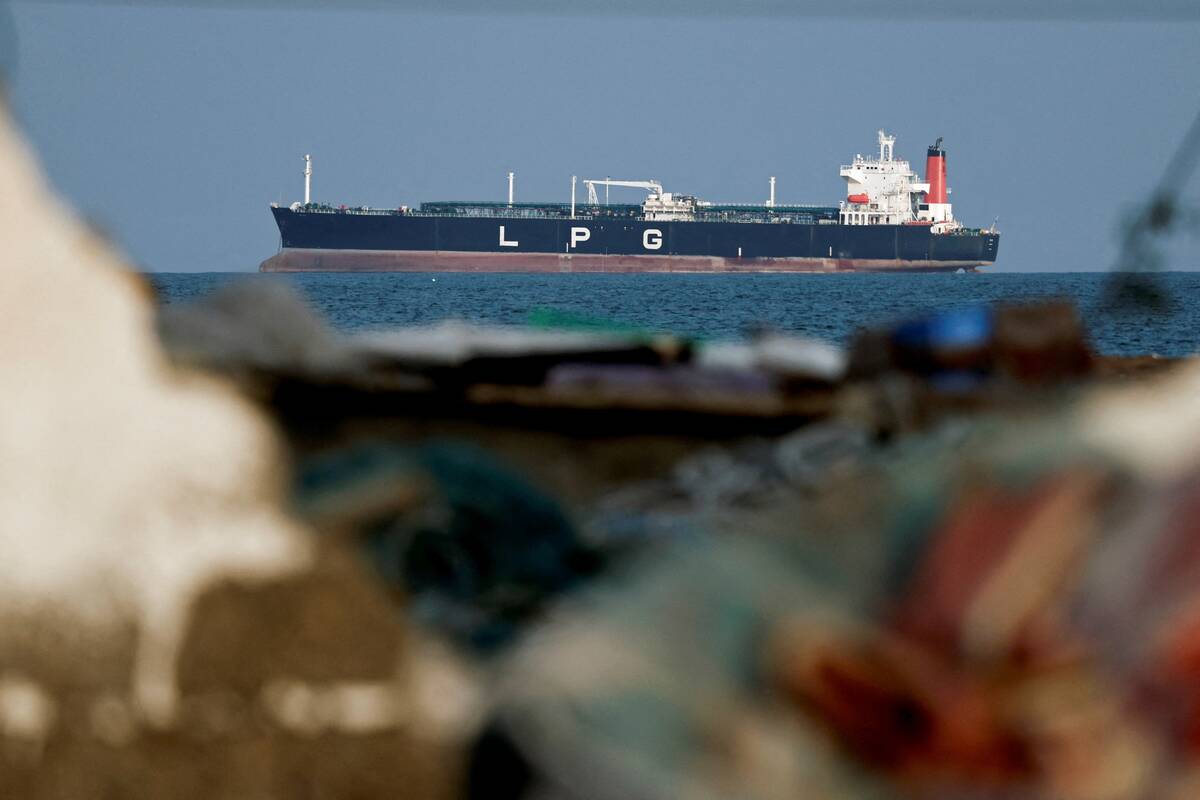
“The Middle East war is upending lives and livelihoods in the region and beyond. It has already triggered one of the largest disruptions to global energy markets in modern history,” the joint statement said.
“Sharp increases in oil, gas, and fertilizer prices, together with transport bottlenecks, will inevitably lead to rising food prices and food insecurity.”
The statement said spikes in fuel prices and potential sharp increases in food prices were especially concerning in countries already facing fiscal constraints and high debt burdens, which would limit their ability to protect vulnerable households.
Institutions vow support
The leaders of the three institutions vowed to provide support in accordance with their mandates, and to lay the foundations for a resilient recovery.
IMF Managing Director Kristalina Georgieva told Reuters on Monday the IMF was also engaging with the United Nations’ Food and Agriculture Organization on food security.
The World Food Programme said in mid-March that millions of people will face acute hunger if the war continues into June. Georgieva said the IMF did not see a food crisis yet, but that could happen if the delivery of fertilizers was impaired.
— Reporting by Andrea Shalal and Daphne Psaledakis