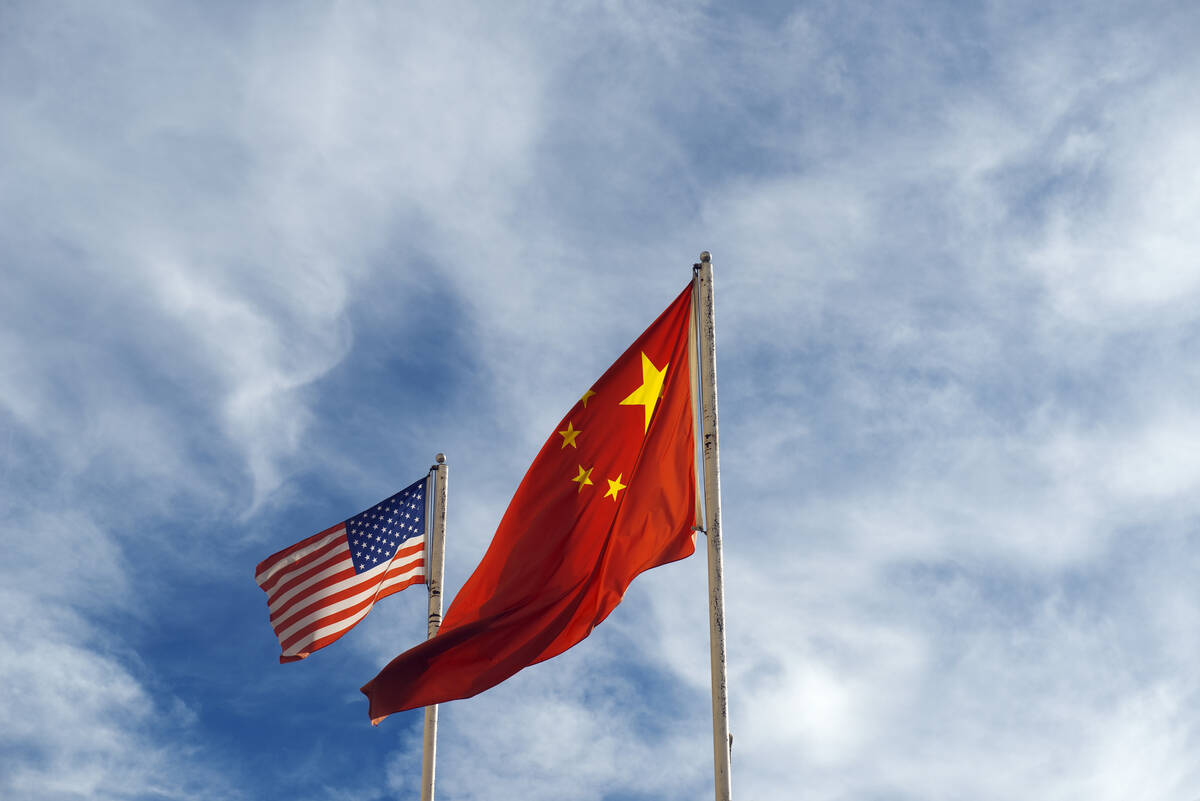
Washington | Reuters — The Trump administration on Monday urged World Trade Organization members to rethink the body’s core principle of “Most Favored Nation” bound tariff rates, arguing in a new position paper that this has led to discriminatory practices and imbalanced trade, including with China.
The paper, released ahead of this week’s triennial WTO Ministerial meeting in Cameroon, underscores the U.S. Trade Representative’s insistence on sweeping reforms that are in line with U.S. President Donald Trump’s trade agenda and allow for more plurilateral trade agreements and differentiated tariffs.
Read Also
FCC raises inflation forecast on surging commodity prices
Farm Credit Canada has raised its 2026 forecast for overall inflation as commodity prices spike due to war in the Middle East.
- U.S. Trade Representative Jamieson Greer is expected to attend the March 26-29 ministerial meeting in Yaoundé.
- USTR has already rejected one proposal for reforming the WTO.
- The meeting in Cameroon comes at a critical moment for the WTO as Trump continues to upend the tariff system.
- U.S. says adherence to the Most Favored Nation principle and tariffs negotiated decades ago precludes WTO members from differentiating among trade partners.
- Without naming China, USTR quoted a January speech by Greer in which he said that some countries structurally export more than they import to seek a “shortcut to growth at others’ expense.”
- “In sum, members need to explore options so that they can more easily adjust their tariffs in response to threats to their economies, including from countries that run persistent and large surpluses or drive imbalances by building and maintaining overcapacity,” USTR said.
- The World Trade Organization’s 164 members commit to treating other members equally so they can all benefit from each other’s lowest tariffs, highest import quotas and fewest trade barriers. This principle is known as Most Favored Nation treatment.