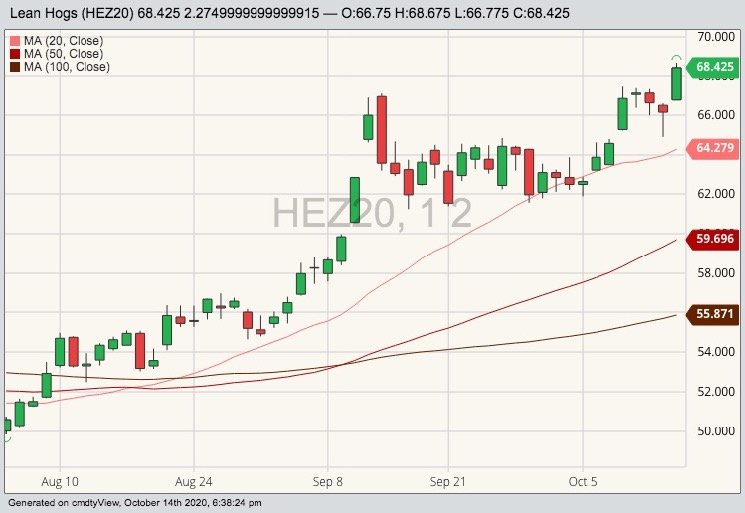
Chicago | Reuters — U.S. lean hog futures climbed on Wednesday as traders grappled with mounting confusion on lower-than-expected slaughter rates, traders said.
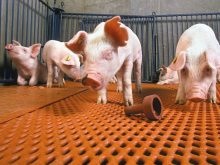
Wednesday’s daily U.S. hog slaughter was 489,000 head — or 2,000 fewer than the same period last year, according to data published by the U.S. Department of Agriculture.
For the week to date, packers also have slaughtered 12,000 fewer hogs, compared to the same period a year earlier.
But USDA’s data in recent hog and pig reports has indicated that packers’ slaughter volumes should be running far higher than last year, said Dennis Smith, a commodity broker at Archer Financial.
Read Also

U.S. finalizes biofuel blending quotas for 2026-27, cuts RINS for foreign feedstocks
The Trump administration on Friday finalized new biofuel blending volumes mandates for the U.S. oil refiners, requiring more of the fuels made from corn and other agricultural products than initially proposed,in an apparent win for U.S. farmers.
“We’re missing over a million pigs, is what it amounts to,” Smith said, who noted that packer margins have remained relatively high as cash hog prices are lowering and cutout prices are rising. “That’s the huge debate.”
CME October lean hogs added 0.65 cent, to 78.425 cents/lb. (all figures US$). Most-active December hogs settled 2.275 cent higher at 68.425 cents/lb.
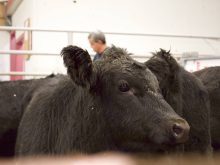
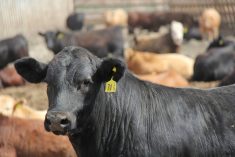
Meanwhile, live cattle futures dipped, following the cash cattle markets lower as wholesale beef prices continue to soften, traders said.
CME December live cattle futures dipped 0.95 cent to 110.275 cents/lb., while CME January feeder cattle fell 0.5 cent to 136.325 cents/lb.
Smith said feeder cattle producers are monitoring how rising grain markets could impact feed costs.
“They’re also concerned about rising placements, with the drought,” he said. “They can’t even get wheat to germinate, let alone get it to grow and run cattle on it.”
USDA’s daily cattle slaughter report showed 119,000 head slaughtered, in line with a week ago and 2,000 more than a year ago. Packer margins trimmed to $202.45 per head, compared to $271.35 a week ago, according to Denver-based livestock marketing advisory service HedgersEdge.com.
— Christopher Walljasper reports on agriculture and ag commodities for Reuters from Chicago.