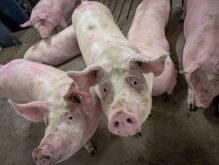
Chicago | Reuters — U.S. hog futures were mixed on Monday, with the nearby contract rising on strong export demand while deferreds eased on signs that China was making progress in rebuilding its decimated hog herd, traders said.
Strength in the cash market supported the front-month December contract, which rose 2.3 per cent and hit its highest since Sept. 13, 2019.
But all deferred contracts closed in negative territory on expectations that Chinese demand will begin to wane in the coming months.
“The board is pretty pessimistic about prospects for next year,” said Alan Brugler of Brugler Marketing and Management. “If they are ramping back up maybe they won’t need as much going forward.”
Read Also

Southern California honeybees show resistance to varroa mites
Regionally-adapted honeybees in southern California show natural resistance to varroa mites, according to new research from University of California Riverside.
China’s third-quarter pork production rose 18 per cent from a year earlier to 8.4 million tonnes, according to Reuters calculations based on official data, pointing to the first signs of recovery in the world’s top producer.
It was the first quarter since July-September of 2018 to show a year-on-year increase in pork output, after an epidemic of African swine fever swept through the country’s hog herd, causing production to plunge.
CME December lean hogs finished 1.625 cents higher at 71.425 cents/lb. (all figures US$). Losses in the deferred months ranged from 50 cents to $1.85.
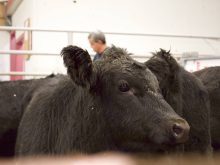
The cattle market suffered from technical selling.
CME December live cattle futures fell 3.475 cents to 105.15 cents/lb., hitting its lowest since Sept 9.
December live cattle futures tried to firm but hit resistance at their 100-day moving average. The contract then dropped below the low end of its 20-day Bollinger range.
January feeder cattle tumbled 4.1 cents to 125.225 cents/lb.
Traders worry that food service demand for beef may weaken in the United States and other nations due to COVID-19 outbreaks that could keep consumers at home.
— Mark Weinraub is a Reuters commodities correspondent in Chicago.