This week, Dr. Denis Gaudet and his crew at AAFC-Lethbridge surveyed 23 spring wheat fields from Cardston to Vulcan for stripe rust. Stripe rust was seen in 50 per cent of the fields with the average incidence ranging from trace to 5 per cent.
In three fields, incidences ranged from 15-90 per cent but severities were low, ranging from 5-20 per cent.
Spring wheat development is advancing rapidly, ranging from grain fill to soft dough stages so spraying to control stripe rust is no longer an option. However, it is unlikely that the stripe rust will have any impact on yield and quality in spring wheat this year.
Read Also
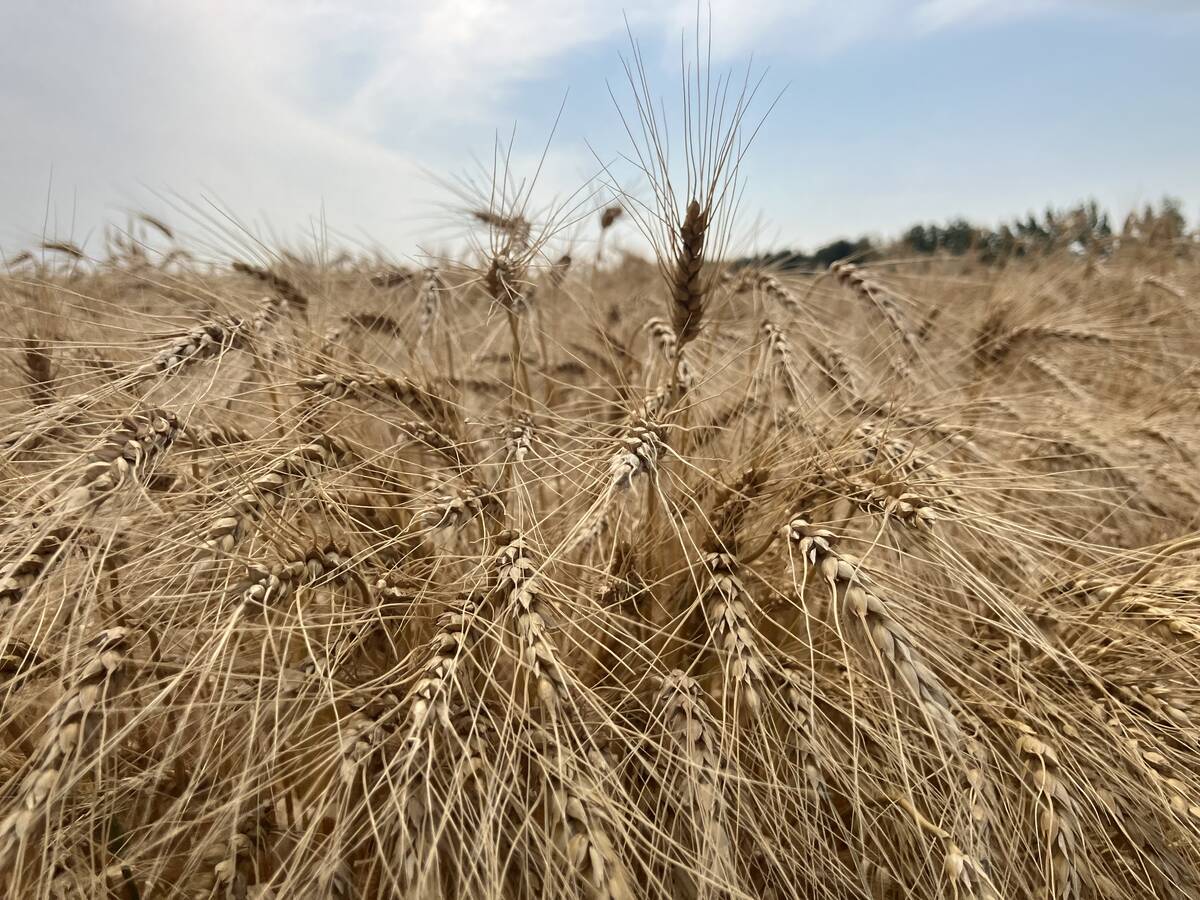
Prairie Wheat Weekly: Rising loonie pushes down cash prices
Cash prices for Western Canadian wheat and durum stepped back during the week ended March 11, pushed lower by a stronger Canadian dollar.
The only exception may be in late-seeded, stripe rust-susceptible spring wheat varieties since conducive infection conditions may continue for the next few weeks. Winter wheat is ripening and, hence, is no longer vulnerable to stripe rust. Producers are encouraged to monitor their fields for stripe rust symptoms before making management decisions to control this disease.
For producers seeding winter wheat this fall, attention should be made to select stripe rust resistant varieties. Seed of ‘Moats’, a new stripe rust resistant variety from the Crop Development Centre at the University of Saskatchewan, resistant will be available this fall.