A Calgary company developing a safflower-based feed additive for farmed shrimp may rethink its plans now that a partner has stepped back from the project.
SemBioSys Genetics, which has previously modified its safflower plant varieties to produce insulin and a cardiovascular drug (both still in development) reported Friday that Aqua Bounty Technologies, its joint development partner on the ImmunoSphere shrimp feed additive project, plans to scale back its marketing and registration efforts on its first-generation additive, IMS.
ImmunoSphere, a feed additive meant to prevent disease in farmed shrimp, was SemBioSys’ second-generation product, which the Calgary firm said has the potential to “significantly reduce” the additive’s manufacturing costs.
Read Also
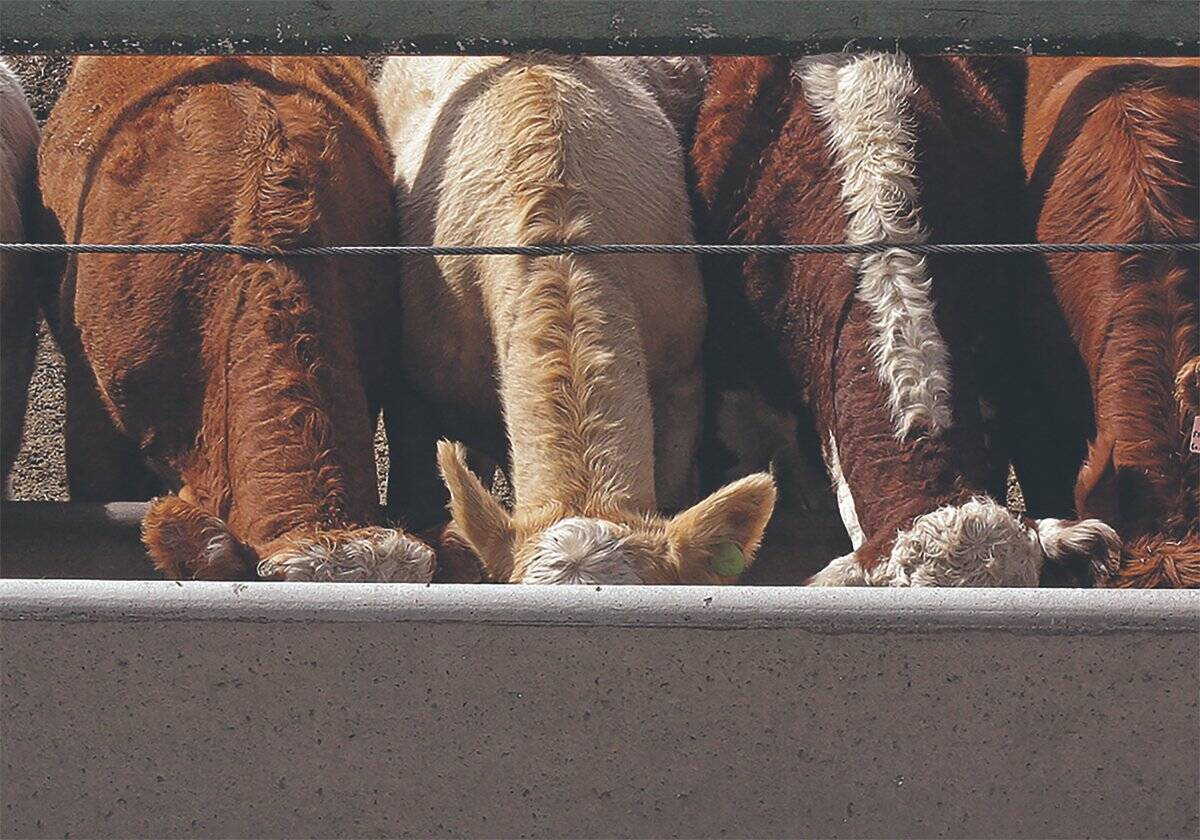
Feed Grains Weekly: Cash prices for wheat, barley largely flat
Cash prices for feed barley and wheat continued to remain largely flat, said Susanne Leclerc of Market Master Ltd. in Edmonton.
Aqua Bounty, a Delaware biotech firm working in the aquaculture industry, runs a lab at St. John’s, Newfoundland and a fish hatchery at Souris, P.E.I., as well as facilities in the U.S.
SemBioSys said it plans to “evaluate the impact” of Aqua Bounty’s decision on the ImmunoSphere project.
“We intend to evaluate all of
the available options prior to committing to next steps with this product
which targets a large potential market that has a significant unmet need,” SemBioSys CEO Andrew Baum said Friday, adding that disease outbreaks cost the shrimp aquaculture industry over US$3 billion per year.