Moscow | Reuters — Russia plans to extend a ban on Western food imports for six months starting from early August, after the European Union extended its own sanctions against Moscow, Russian officials said Monday.
European Union foreign ministers extended economic sanctions against Russia until Jan. 31 on Monday, keeping up pressure on Moscow to help resolve the Ukraine conflict.
“A proposal (to extend the food ban) has been prepared and submitted to the presidential administration,” Natalya Timakova, a spokeswoman for Prime Minister Dmitry Medvedev, was quoted as saying by TASS news agency.
Read Also
ICE Canada Weekly: More behind canola, soyoil than crude oil prices
There’s more to canola futures on the Intercontinental Exchange than crude oil and vegetable oils prices, said David Derwin, commodity futures advisor for Ventum Financial in Winnipeg.
“Regarding the list of goods which will continue to be under embargo, it remains virtually unchanged,” she added.
Russia had been widely expected to prolong the ban beyond an Aug. 8 deadline, as officials previously said the decision directly depended on the European sanctions extension.
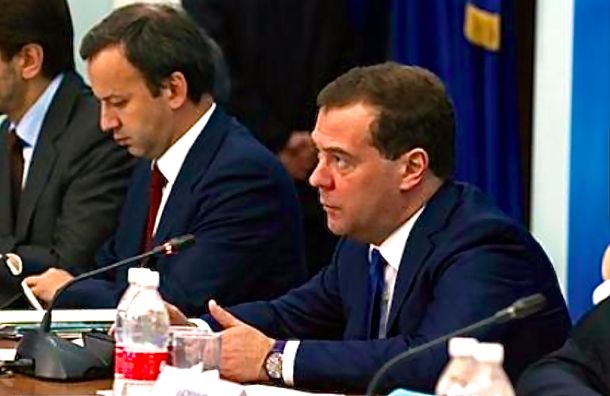
“Taking into account that the European Union has extended sanctions against the Russian Federation for half a year, I ask you to prepare my proposal to the president to extend the presidential degree (on the ban) for this period,” Medvedev told a meeting with his deputies.
The ban, which prohibits food imports worth US$9 billion from the U.S., EU, Canada, Australia and Norway, was imposed for a year in retaliation to Western sanctions on Russia over the Ukraine crisis.
Russia’s agriculture ministry said earlier on Monday it might add new products to the list of banned imports, but the Kremlin is unlikely to approve any additions, sticking to what it calls a policy of reciprocity.
Russia has banned imports of fruit, vegetables, meat, poultry, fish, milk and dairy.
— Reporting for Reuters by Polina Devitt, Darya Korsunskaya and Jack Stubbs.