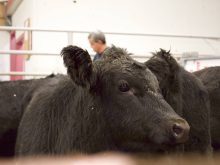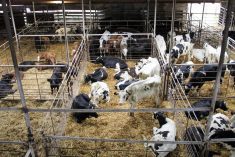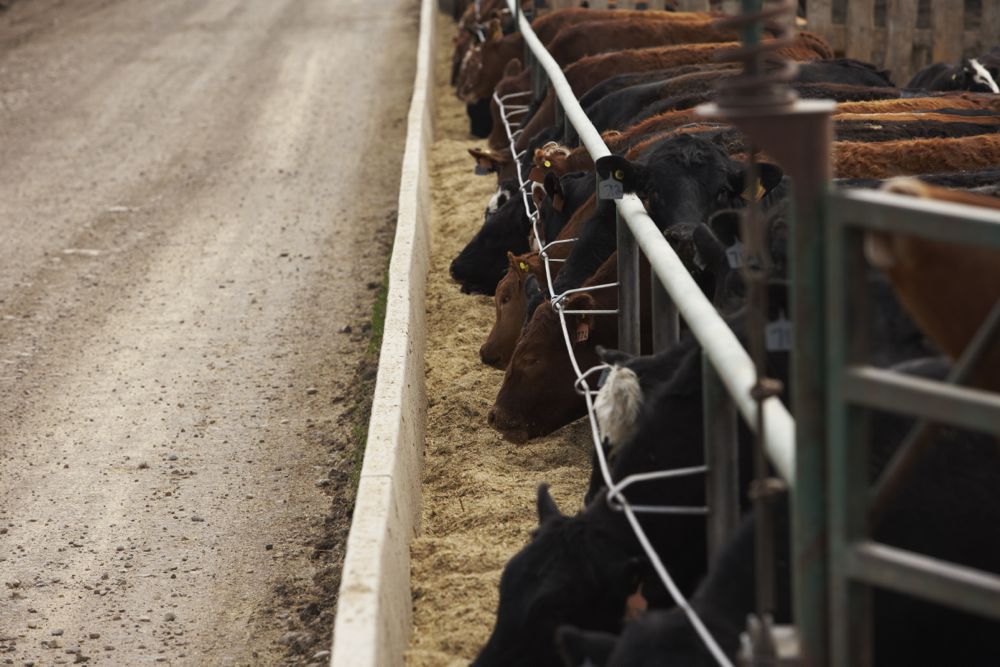
Compared to last week, western Canadian feeder cattle markets were down $2 to as much as $8 in some cases. A fortuitous bounce in the barley market resulted in a softer tone for replacement cattle.
It appears that the Canadian barley crop will be smaller than earlier anticipated and some of the crop will likely remain in the field over the winter. Lethbridge-area barley prices were quoted from $210 to as high as $220 per tonne delivered last week, up from the range of $190-$200 per tonne during the last week of September.
Read Also
Australian farmers shift to less fertilizer-intensive crops as Iran war costs surge
Australian farmers are expected to favour less nitrogen-intensive crops such as barley over wheat and canola in the upcoming season due to rising fertilizer and fuel costs.
Adverse weather also contributed to the softer tone, especially on unweaned and unvaccinated calves. The market continues to incorporate a risk discount with buyers factoring in higher deathloss. Feedlot pen conditions across Alberta are very poor after the wet snow and ongoing rains. Feedlot operators are also struggling to finish up corn silage. After a widespread hail storm during the summer, southern Alberta silage costs are rising, adding to the cost per pound gain.
All these factors are coming on the heels of negative feeding margins throughout the summer period.
Yearlings held up in Alberta but were notably lower in Saskatchewan and Manitoba. In central Alberta, mixed medium- to larger-frame with lighter flesh levels averaging just over 900 lbs. were valued at $194 and similar quality heifers weighing 940 lbs. were quoted at $170. In central Saskatchewan, medium- to larger-frame black fleshier steers weighing 920 lbs. were quoted at $185.
Many auction barns held feature calf sales last week in eastern Alberta and Saskatchewan. In southern Saskatchewan, Charolais-based semi weaned calves weighing 610 lbs. were quoted at $215 while Hereford blended heifers averaging 655 lbs. were valued at $183. In central Alberta, vaccinated tan mixed steers weighing 610 lbs. were quoted at $217 while similar-quality heifers weighing 640 lbs. were valued at $190. Southern Alberta feedlot demand for calves was quiet; unweaned bawlers without shots were discounted accordingly.
One bright spot in the cattle complex is that April live cattle futures are now up over $11 from the contract lows. The U.S. Department of Agriculture lowered its first-quarter beef production estimate on last week’s WASDE report.
— Jerry Klassen manages the Canadian office of Swiss-based grain trader GAP SA Grains and Produits Ltd. and is president and founder of Resilient Capital, specializing in proprietary commodity futures trading and market analysis. Jerry consults with feedlots on risk management and writes a weekly cattle market commentary. He can be reached at 204-504-8339 or via his website at ResilCapital.com.