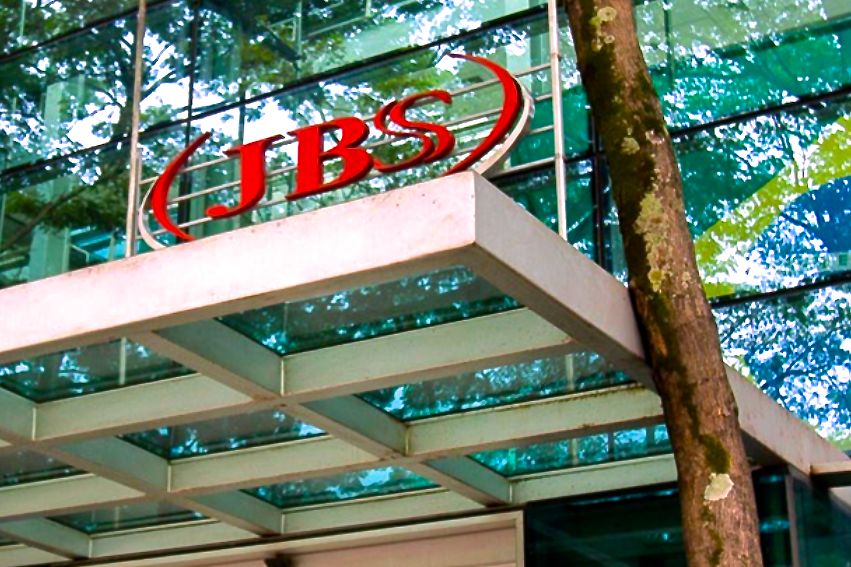
Sao Paulo | Reuters — Brazil’s JBS, the world’s largest meatpacker, has said the COVID-19 coronavirus epidemic could cause container shortages, port disruptions and other logistics issues, but said trade flows should stay strong thanks to Chinese demand.
In a conference call to discuss earnings results on Thursday, JBS executives said its export operations had not been hit by any disruptions like those that have affected frozen container cargos arriving in China in recent weeks.
They said JBS is banking on its long-term relationships with shipping providers to keep exports flowing.
Read Also

U.S. finalizes biofuel blending quotas for 2026-27, cuts RINS for foreign feedstocks
The Trump administration on Friday finalized new biofuel blending volumes mandates for the U.S. oil refiners, requiring more of the fuels made from corn and other agricultural products than initially proposed,in an apparent win for U.S. farmers.
In March, China slashed import tariffs on three types of meat by 30 per cent, with chicken duties lowered to four per cent, beef to 12 per cent and pork to 33 per cent, JBS executives said during the call.
CEO Gilberto Tomazoni said while it is too early to gauge the longer-term impact of coronavirus on food sales and logistics, market fundamentals have not changed, citing meat demand in China after a swine fever disrupted local supplies leading to lower import tariffs.
Tomazoni said JBS — whose North American holdings include one of Canada’s biggest beef packing plants, at Brooks, Alta. — is not cutting investment plans and the priority is to continue to produce food and keep jobs.
In the U.S., JBS’s meat production rose in the past week as consumers rushed to stock up on food, but production levels will return to normal going forward, executives said.
JBS also predicted its U.S. plants will supply 30 per cent of China’s pork import needs in 2020, with the company’s local operations relying on U.S. trade agreements with countries like Japan and South Korea to increase exports.
On Wednesday JBS reported its fourth-quarter net profit soared 332 per cent over the prior-year period, as China increased food imports dramatically after swine fever killed about half of its pig herds.
Fourth-quarter net profit totaled 2.43 billion reais (C$686.1 million).
JBS shares rose as much as seven per cent when the market opened after the strong financial results, but later trimmed gains to a high of almost three per cent.
In a note to clients on Thursday, Credit Suisse analysts said they are positive on JBS given its “defensive mix of products, a leading position in the global protein market coupled with wider geographical diversification and stronger balance sheet situation.”
Credit Suisse said JBS will benefit in the short term from stronger demand for meat sales at supermarkets as widespread lockdowns close restaurants and drag on food service demand.
— Ana Mano reports on Brazilian commodities for Reuters from Sao Paulo.