MarketsFarm — ICE Futures canola contracts have recovered off of lows hit at the beginning of the month, with speculative short-covering a feature as attention in the markets turns to North American growing conditions.
While canola ran into some resistance Wednesday, there may still be more room to the upside.
Canadian canola is at a significant discount to European rapeseed, which could help generate demand and keep canola underpinned going forward, said Keith Ferley of RBC Dominion Securities. While Europe has had some recent rain, he noted a feeling that rapeseed production will end up below earlier forecasts.
Read Also
CBOT Weekly: USDA predicts declines in planting intentions
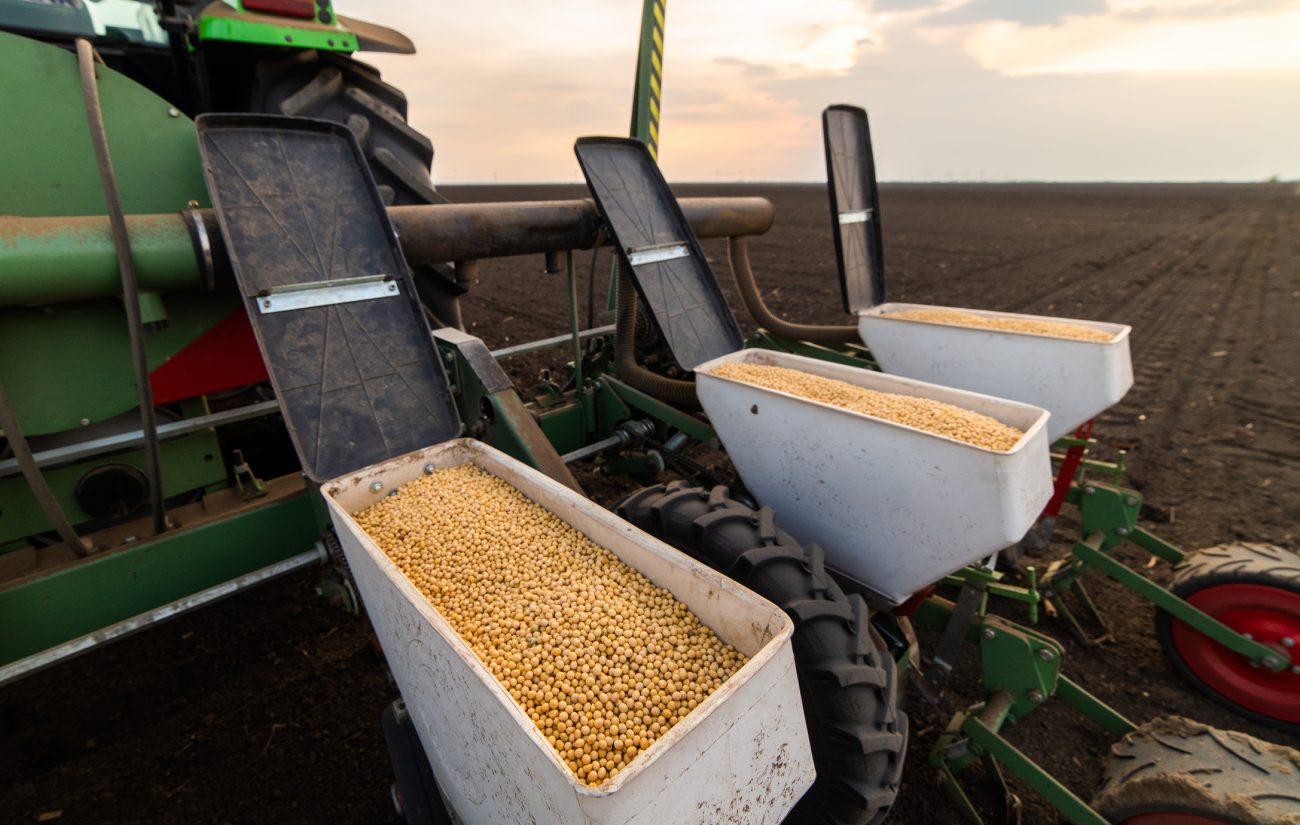
Declines in projected planting intentions for 2026/27 were not as big as the market expected, after the United States Department of Agriculture released its estimates on March 31. The USDA also issued its quarterly grain stocks report with stocks for soybeans bigger than anticipated, while those for corn were smaller and wheat virtually matched the average trade guess.
However, on the other side, an increase in Australia’s canola crop on the year could also limit some demand. The Australian Bureau of Agricultural and Resource Economics and Sciences (ABARES) forecast the canola crop at 3.2 million tonnes, which would be well above the 2.3 million grown the previous year, but in line with the 10-year average.
With most seeding operations nearing completion, aside from some delays in wet areas of Alberta, attention will be on crop weather through the growing season.
In Canada, soil moisture conditions are widely varied across the Prairies, with some very wet areas and others in need of precipitation.
“We have these two solitudes, with some areas definitely on the wet side… and other areas where if you start cranking the heat up the (moisture) won’t last long,” said Ferley.
— Phil Franz-Warkentin reports for MarketsFarm from Winnipeg.