Infrastructure has always been top of mind for many rural Saskatchewan residents — but rural infrastructure needs in 2016 can’t all be met with gravel, graders and culverts.
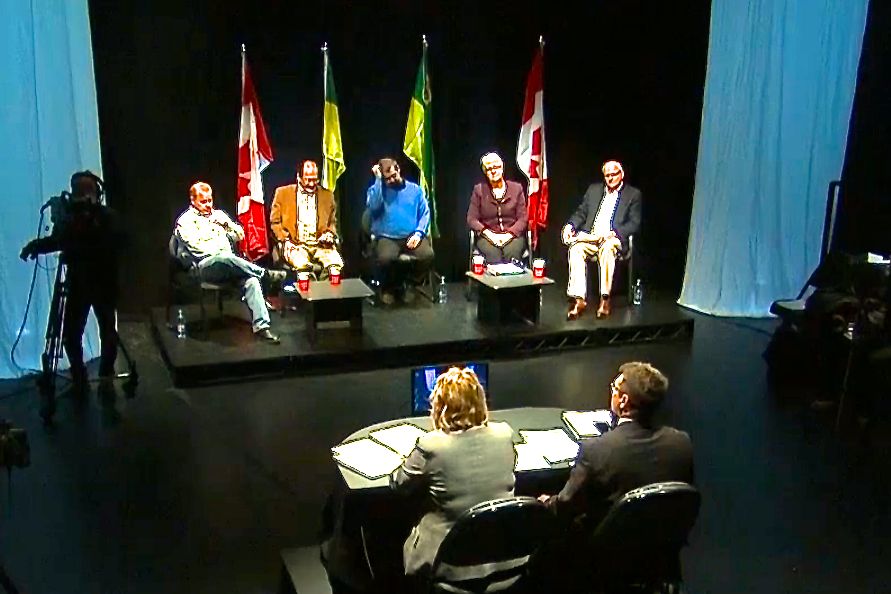
With a provincial election around the corner, improving digital and cellular service was a focal point in an ag leaders’ debate held in Saskatoon Tuesday.
The Why Ag Matters debate was hosted by the Agricultural Producers Association of Saskatchewan (APAS) and the Western Producer.
Discussions covered everything from carbon credits to railways, with most questions drawn from a policy document created by APAS. Moderator Jeanne Martinson also voiced questions from Twitter and the debate audience.
Read Also

Pulse Weekly: SaskPulse optimistic despite input, crop price concerns
SaskPulse executive director Carl Potts is optimistic ahead of the planting season despite lower crop prices and the war in Iran.
Much of the infrastructure debate centred on cellular coverage and rural Internet service — problems with which are “endemic all over rural Saskatchewan,” said Rick Swenson, leader of the Progressive Conservatives.
Everywhere people ask why they can’t get better service to run their businesses, he said.
The PCs will push the government “to not strip dividends out of SaskTel in order to balance a budget that isn’t balanced, and put some money into providing this,” said Swenson.
Ryan Lamarche, ag critic for the Green Party, also saw SaskTel as key to rolling out better rural Internet and cell service. The provincial government could do “a rapid expansion of (broadband) connections to the rural areas,” he said.
Better service is needed for both Internet and cellphones, he added.
Darrin Lamoureux, leader of the provincial Liberals, also saw Crown corporations such as SaskTel as providing an advantage.
The Liberals, he said, “would challenge the Saskatchewan Party government not to worry about the $132 million they’re asking for to clean up oil wells, and instead focus on putting in Internet services” for today’s agricultural industry.
The provincial NDP has a firm commitment to “improve cell coverage in northern Saskatchewan and expand SaskTel broadband Internet services throughout the province,” said Cathy Sproule, the party’s ag critic, “as we know that’s a critical part of every agricultural operation here in Saskatchewan today.”
Lyle Stewart, the governing Saskatchewan Party’s minister of agriculture, acknowledged rural Internet and cellphone coverage could be better.
“As far as high-speed Internet and cellphone service across the province (are concerned), there are still places where it’s inadequate,” he said.
“And we’ve lobbied SaskTel to do better, and they have done better, but that’s certainly one place where there is still room for improvement.”
— Lisa Guenther is a field editor for Grainews and Country Guide at Livelong, Sask. Follow her at @LtoG on Twitter.