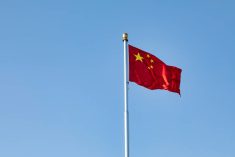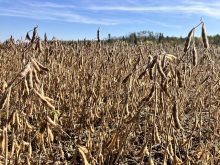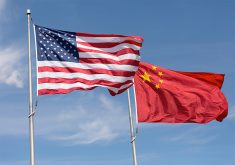
UPDATED — China on Saturday sharply reduced its tariff rate on Canadian canola seed in the final ruling of a 17-month anti-dumping investigation, following a thaw in relations between Beijing and Ottawa.
The announcement came a day after China said it would suspend some tariffs on Canadian agricultural products imposed during its trade spat with Canada.
WHY IT MATTERS: This final ruling lowers the effective tariff on canola seed to 14.9 per cent rather than the crippling 75.8 per cent tariffs imposed last March.
Read Also
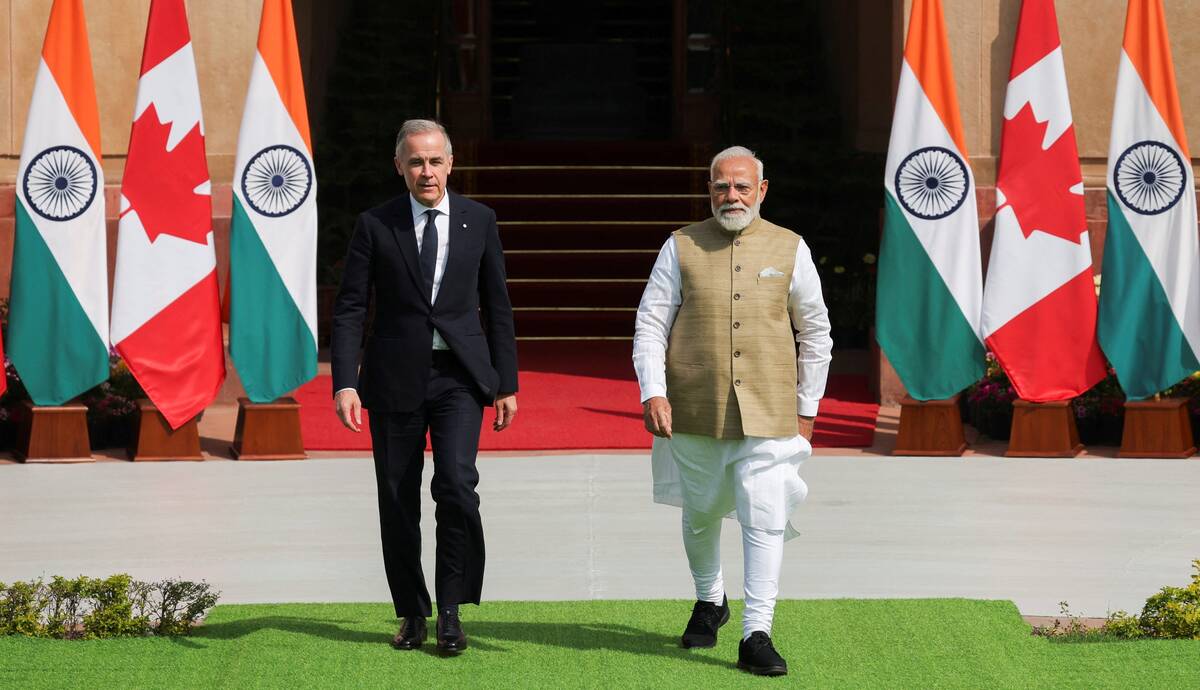
India, Canada aim for trade pact by year-end, propose pulse protein ‘centre of excellence’
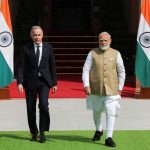
India and Canada will aim to conclude a free trade pact by the end of this year, Prime Minister Mark Carney said on Monday during his first visit to New Delhi.
The final anti-dumping tariff was lowered to 5.9 per cent from a preliminary 75.8 per cent imposed in August, according to a statement from the commerce ministry. The levy will be effective from March 1 and will last for five years.
In addition to the anti-dumping duty, Canadian canola remains subject to China’s standard nine per cent import tariff, bringing the total effective duty to 14.9 per cent.
The outcome broadly aligns with Prime Minister Mark Carney’s expectations. After his visit to Beijing in January, Carney had said he anticipated a total tariff rate of around 15 per cent.
China was Canada’s second-largest market for canola in 2024.
Wheat Growers underscore need for market stability
The reduction in tariffs is a positive development for Prairie canola growers said Wheat Growers Association chair Daryl Fransoo in a statement on Monday. Many Prairie farmers grow canola alongside wheat as part of their cropping rotation.
However, past disruptions underscore the need for long-term market stability.
“China has restricted or closed its canola market several times in the past, often tied to broader political tensions rather than technical trade issues,” Fransoo said. “These repeated interruptions are a clear reminder of why our relationship with the United States remains essential.”
Safeguarding Canadian agriculture amidst the review of the CUSMA trade deal should be a national priority, the Wheat Growers said.
The organization also urged Canada to accelerate development of a domestic biofuel sector.
Wave of visits to Beijing
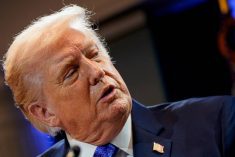
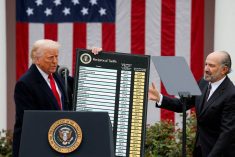
China’s decision comes amid a wave of visits to Beijing by Western leaders, including Carney, as U.S. President Donald Trump’s trade policies have strained Washington’s traditional alliances. China has sought to present itself as a more stable and reliable economic partner in contrast.
Carney went further than his European counterparts by securing a deal with China and signalling Canada’s ambition to play a leading role in a new global trade order aimed at reducing dependence on the United States.
China’s Ministry of Commerce said on Saturday that its probe determined that imported canola from Canada involved dumping and harmed China’s domestic rapeseed industry.
The new levies “can alleviate pressure on the domestic sector and help maintain healthy and stable development of the industry.”
The ministry added that the ruling was based on facts and evidence, and also took into account reasonable requests of the Canadian side.
“China is willing to work with Canada to continue deepening economic and trade cooperation between the two countries and enhance the well-being of the people on both sides,” the ministry said.
— Reporting by Ella Cao in Beijing and Shanghai newsroom