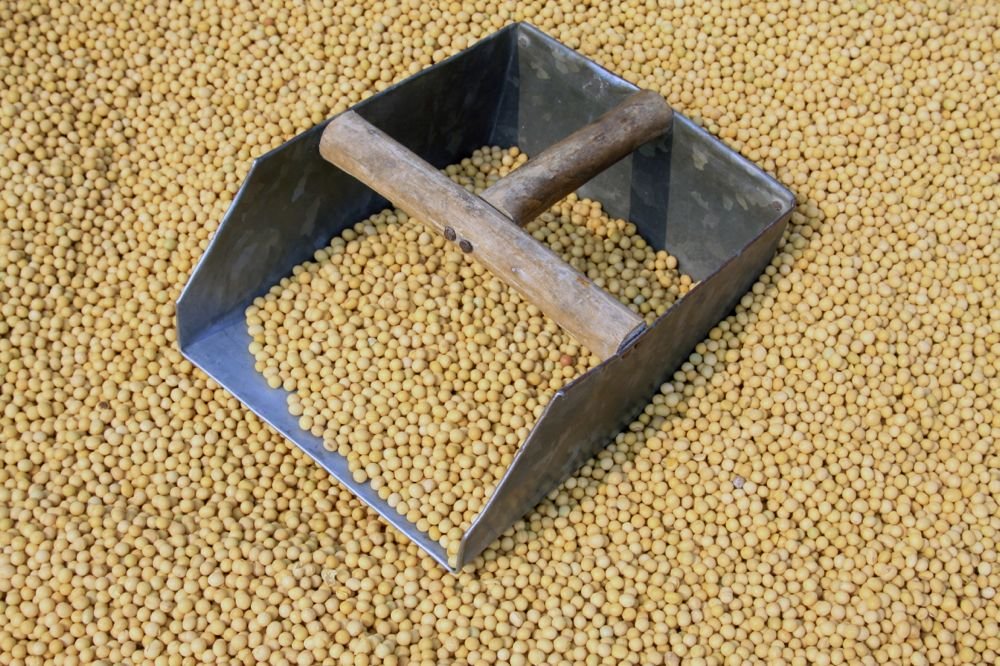
Beijing | Reuters — China on Friday raised its forecast for soybean imports during the 2018-19 crop year to 85 million tonnes, up from 83.65 million in last month’s outlook, after the country’s customs agency suspended some imports of rival oilseed canola.
China’s ministry of agriculture and rural affairs said in its monthly forecast on Friday that even though African swine fever was reducing demand for soymeal in pig feed, canola imports were expected to fall, which would benefit soymeal consumption.
Canola imports are likely to drop after the General Administration of Customs suspended the clearance of canola imports from Canadian agribusiness Richardson International on March 1.
Read Also

U.S. finalizes biofuel blending quotas for 2026-27, cuts RINS for foreign feedstocks
The Trump administration on Friday finalized new biofuel blending volumes mandates for the U.S. oil refiners, requiring more of the fuels made from corn and other agricultural products than initially proposed,in an apparent win for U.S. farmers.
It said on Thursday it will also step up inspections of all Canadian canola cargoes until further notice.
Like soybeans, canola is crushed into oil and meal, with the meal used to feed China’s huge herd of livestock as well as farmed fish.
The agriculture ministry did not give a forecast for canola imports. However, China’s canola oil production would be 5.7 million tonnes, slightly lower than earlier forecast, as a result of increased customs inspections reducing canola supplies available for crushing, the ministry said.
Canola oil imports are forecast to fall slightly to 900,000 tonnes, versus one million tonnes forecast last month, the ministry said.
Corn consumption is forecast to fall to 283 million tonnes, down from 285 million tonnes in last month’s outlook, the ministry said, as African swine fever continued to spread and forced farmers to slaughter their livestock, reducing demand for corn-based feed.
China has reported 111 outbreaks of African swine fever, a fatal pig disease, in 28 of its provinces and regions since August 2018.
The ministry added however that the disease is “generally controllable” and prevention and control is “gradually improving.”
— Reporting for Reuters by Dominique Patton and Hallie Gu.