CNS Canada –– Despite frequent predictions that an El Nino weather event would unfold in early 2015, a well known weather expert says it’s growing more and more unlikely we will see one anytime soon.
“The latest data suggests a weakening trend and even though we have some of the symptoms of El Nino we’re not going to see them evolve,” said Drew Lerner of World Weather Inc. at Kansas City.
The latest ocean temperature data from the equatorial region of the Pacific shows the water there has cooled, he said. As a result, he said, he expects traditional weather patterns to establish themselves rather than the El Nino phenomenon itself.
Read Also
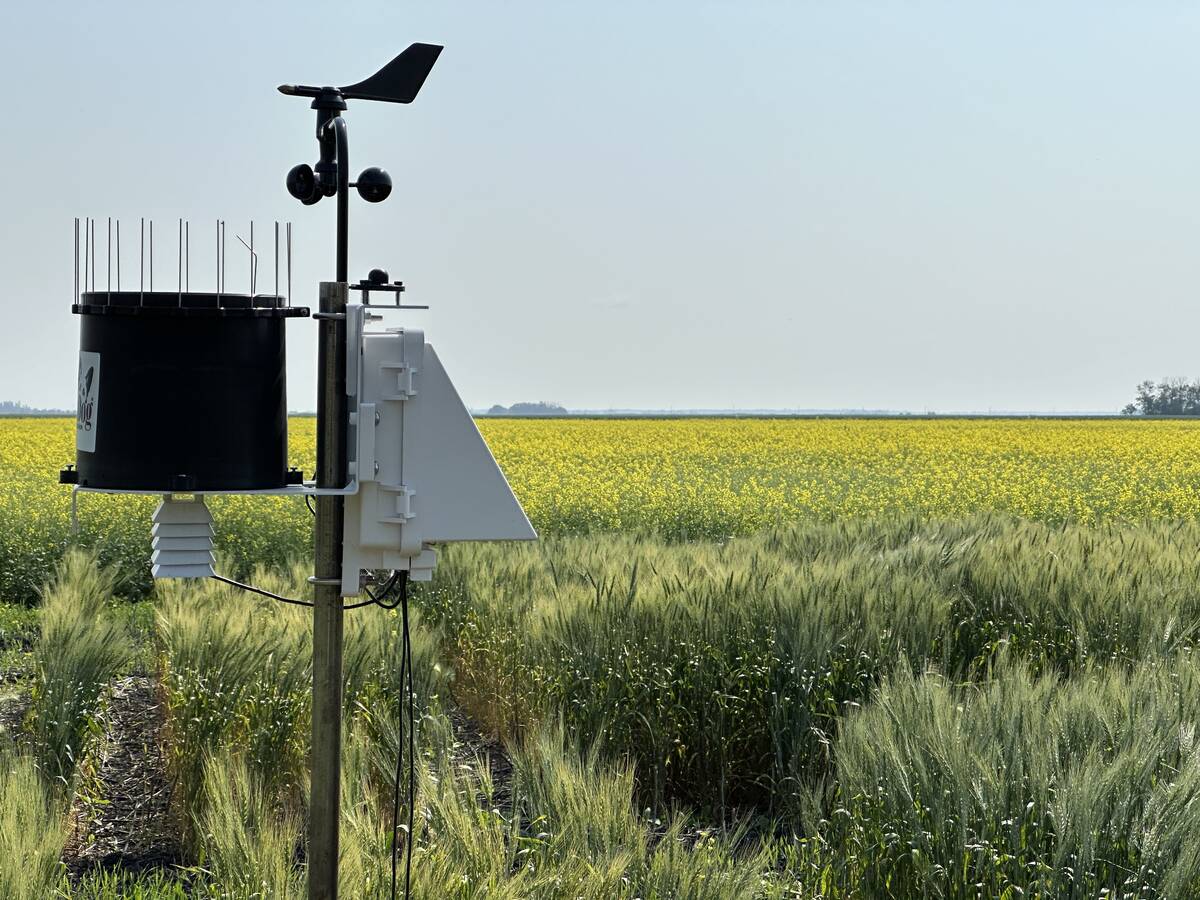
Federal forecasters to add AI to improve weather predictions: ECCC
Environment and Climate Change Canada announced on April 9 it will begin using artificial intelligence to improve its weather forecasting model beginning this spring.
“If the trend towards neutral weather is going to be the case, then weather patterns around the world will relax back into the dominating weather patterns of the time,” said Lerner.
Last fall, many weather watchers said January to March would likely see warm, dry weather across much of Western Canada. Lerner said there could be a few warmer periods during that time frame, but it will likely stay cold.
“We’ve already seen a couple of shots of cold that have been fairly potent, with El Nino being so weak, that will continue to occur. So pretty much what we’ve seen the past few weeks is probably what we’ll continue to see as we move forward through the balance of winter.”
Any drift toward a warmer bias would only happen in Alberta, he noted, while both eastern Saskatchewan and Manitoba would trend toward cold temperatures.
Moving forward, Lerner said, it appears a drier bias will take hold in the southeastern part of the Prairies, but it is impossible to say for certain what the summer will hold.
“There is no timeline because we don’t understand what drives El Nino; it starts and stops when it feels like it,” he said.
Three months is about the longest anyone can accurately predict El Nino using current means, said Lerner.
“All bets are off when it comes to what happens next, later into the summer season.”
— Dave Sims writes for Commodity News Service Canada, a Winnipeg company specializing in grain and commodity market reporting.