[UPDATED] Brussels | Reuters—U.S. grains merchant Bunge and Glencore-backed Viterra have offered to sell assets in two European Union countries in a bid to secure EU antitrust clearance for their $34 billion merger, people with direct knowledge of the matter said on Friday.
The companies put in their offer to the European Commission on Thursday, according to an update on the EU executive’s website which did not provide details.
The companies announced their merger a year ago in a challenge to global giants Archer-Daniels-Midland and Cargill.
Read Also
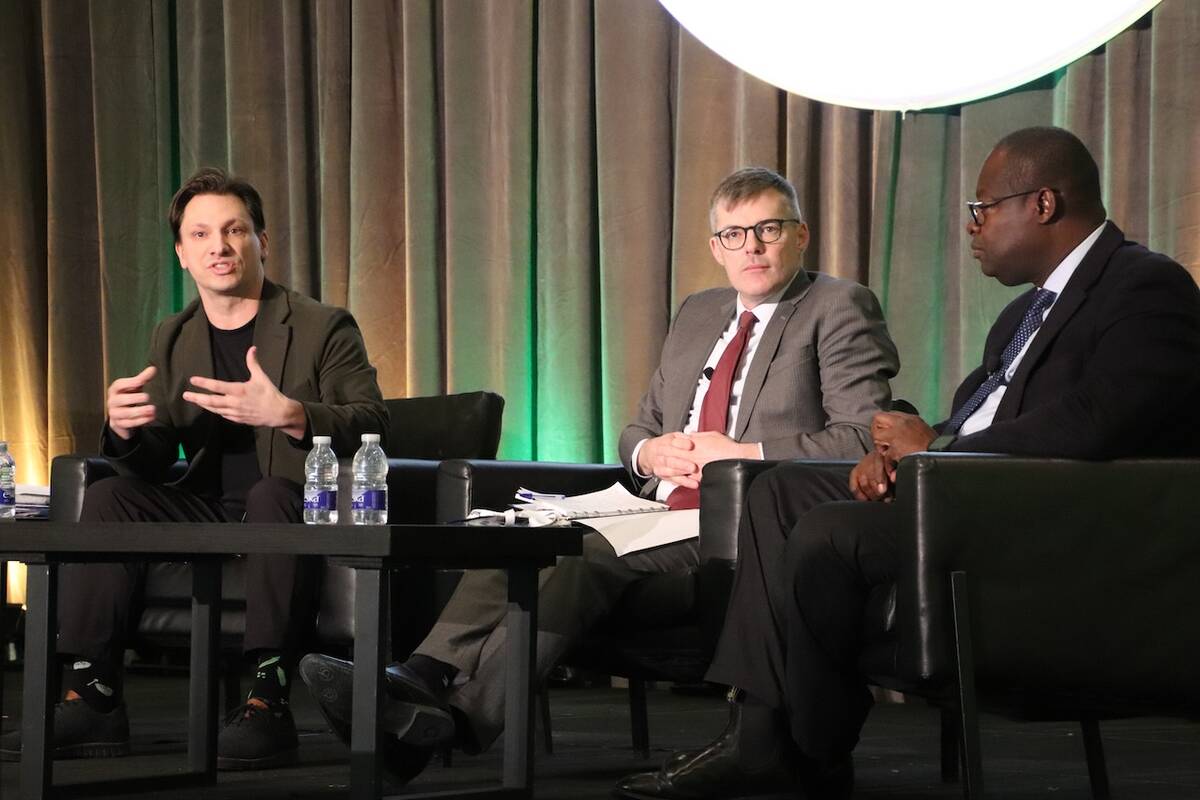
New strategies needed for Canadian agriculture to stand out in global trade
Canada may need new strategies to stand out as issues like tariffs, conflict in the Middle East and loss of faith in the World Trade Organization changing the face of global trade.
The European Commission extended its deadline for a decision to Aug. 1 from July 18.
A spokesperson for Bunge said the company was in constructive discussions with the European Commission, and confirmed it offered concessions without specifying what they were.
“We are confident that the commitments we have offered address the areas of concern expressed by the Commission, which are limited to specific markets,” the spokesperson said.
The European Commission is expected to seek feedback from rivals and customers before deciding whether to accept the concessions or demand more. It can open a four-month investigation if it has serious concerns.
The deal has triggered concerns from the Canadian competition watchdog and farm groups. It requires regulatory clearance in North America, South America and China.
—Reporting for Reuters by Foo Yun Chee