The U.S. Centers for Disease Control and Prevention said on Thursday its analysis of samples from the first severe case of bird flu in the country last week showed mutations not seen in samples from an infected backyard flock on the patient’s property.
The CDC said the patient’s sample showed mutations in the hemagglutinin (HA) gene, the part of the virus that plays a key role in it attaching to host cells.
The health body said the risk to the general public from the outbreak has not changed and remains low.
Read Also
Reduced Argentine soybean harvest, bigger crush says USDA attaché
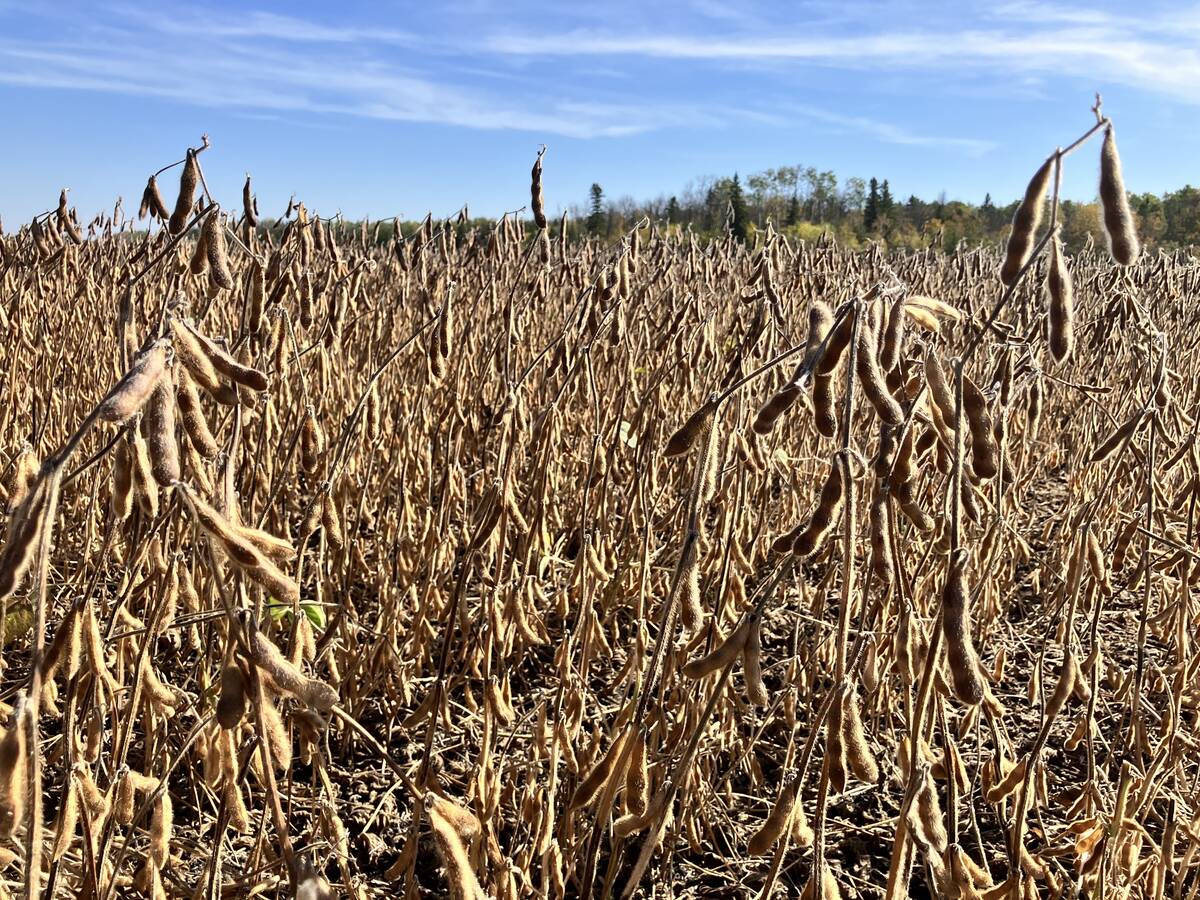
Argentina is expected to reap 48 million tonnes of soybeans in 2025/26, the United States Department of Agriculture attaché in Buenos Aires said in a report released on Feb. 25. That’s slightly lower than the USDA’s official estimate of 48.50 million tonnes.
Last week, the United States reported its first severe case of the virus, in a Louisiana resident above the age of 65, who was suffering from severe respiratory illness.
The patient was infected with the D1.1 genotype of the virus that was recently detected in wild birds and poultry in the United States, and not the B3.13 genotype detected in dairy cows, human cases and some poultry in multiple states.
The mutations seen in the patient are rare but have been reported in some cases in other countries and most often during severe infections. One of the mutations was also seen in another severe case from British Columbia, Canada.
No transmission from the patient in Louisiana to other persons has been identified, said the CDC.
—Reporting by Puyaan Singh in Bengaluru