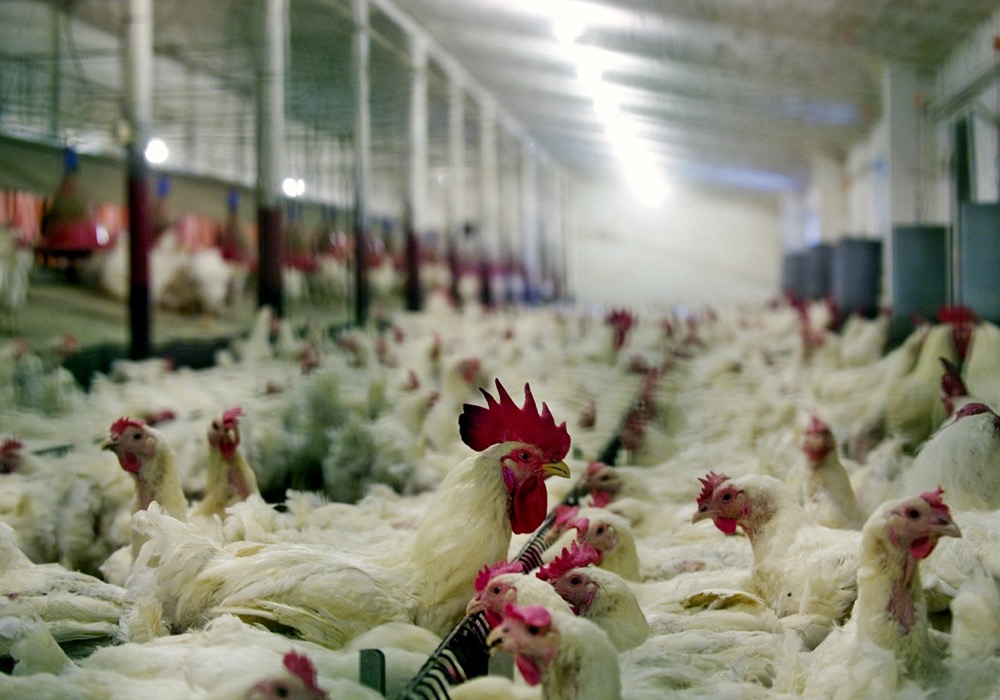
Paris | Reuters — Bird flu is spreading fast in Europe but arrived later this year after a warm autumn delayed migration of wild birds, the main carriers of the virus that led to the death of millions of poultry in the past years, scientific agencies said on Thursday.
Although highly pathogenic avian influenza (HPAI), commonly called bird flu, is harmless in food, its spread is a concern for governments and the poultry industry due to the devastation it can cause to flocks and a risk of human transmission.
Read Also
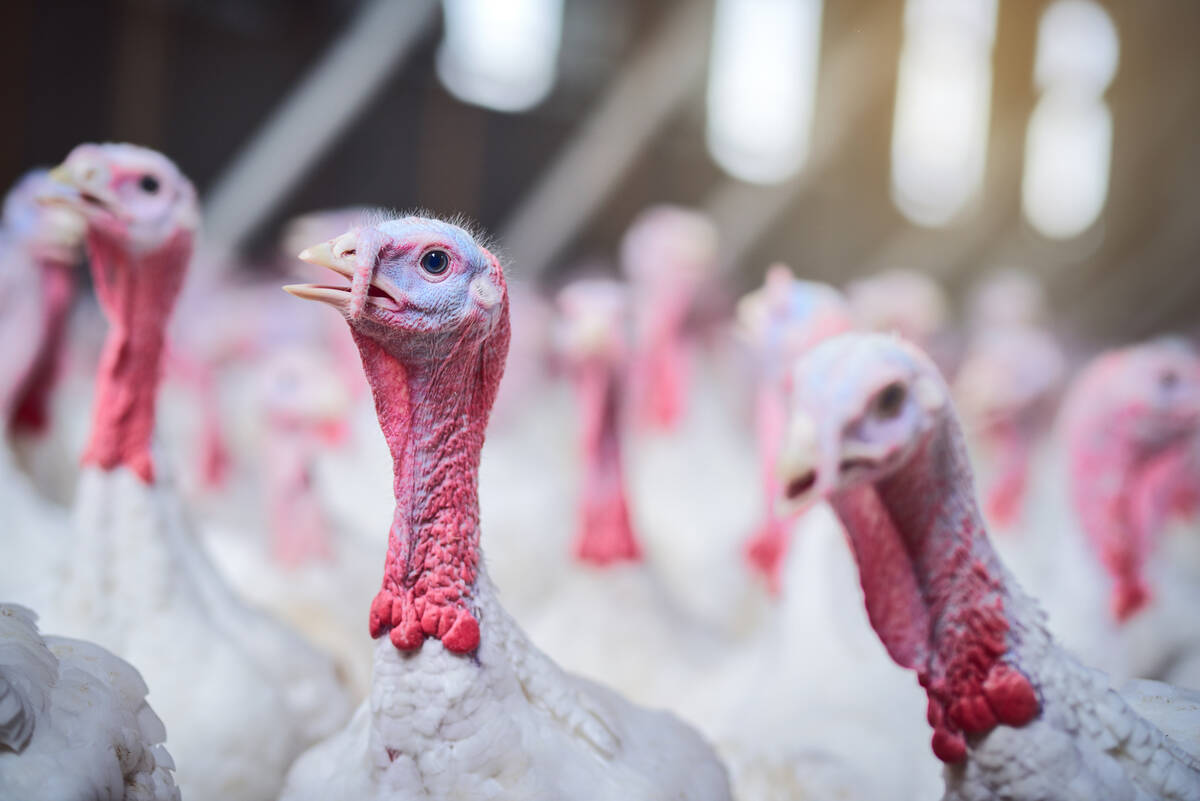
Britain launches bird flu vaccine trials in turkeys
Britain has begun targeted bird flu vaccine trials in turkeys, the government said on Thursday, marking a shift in its approach to controlling the disease that has ravaged flocks and pushed some countries to adopt the technique to help reduce losses.
The virus usually strikes during autumn and winter and has been spreading in many European countries over the past weeks but with a delay compared with previous years.
A increase in outbreaks had previously been observed at the beginning of October, whereas this year the rise has only taken place from November, the European Food Safety Authority (EFSA), the European Centre for Disease Prevention and Control (ECDC), and the EU reference laboratory (EURL) said in a joint report.
“The later rise in HPAI virus detections in wild birds may be due to a later autumn migration of several wild waterbird species following a relatively warm autumn period,” they added.
The report notes that the severe bird flu virus was detected in wild birds and mammals in the Antarctic region for the first time.
Meanwhile, ECDC assessed that the risk of bird flu infection in Europe remains low for the general public. Despite indications of mammal-to-mammal transmission, no mammal-to-human transmission of the H5N1 virus in circulation in Europe has been observed, they added.
It was too early to predict whether a similarly high number of bird flu outbreaks as in the previous years or a reduction due to development of some level of immunity in previously affected wild bird species would be observed, they also said.
–Reporting for Reuters by Sybille de La Hamaide.