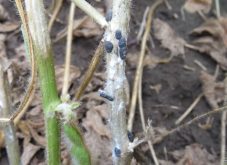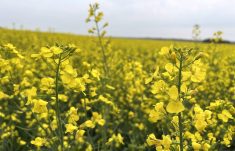
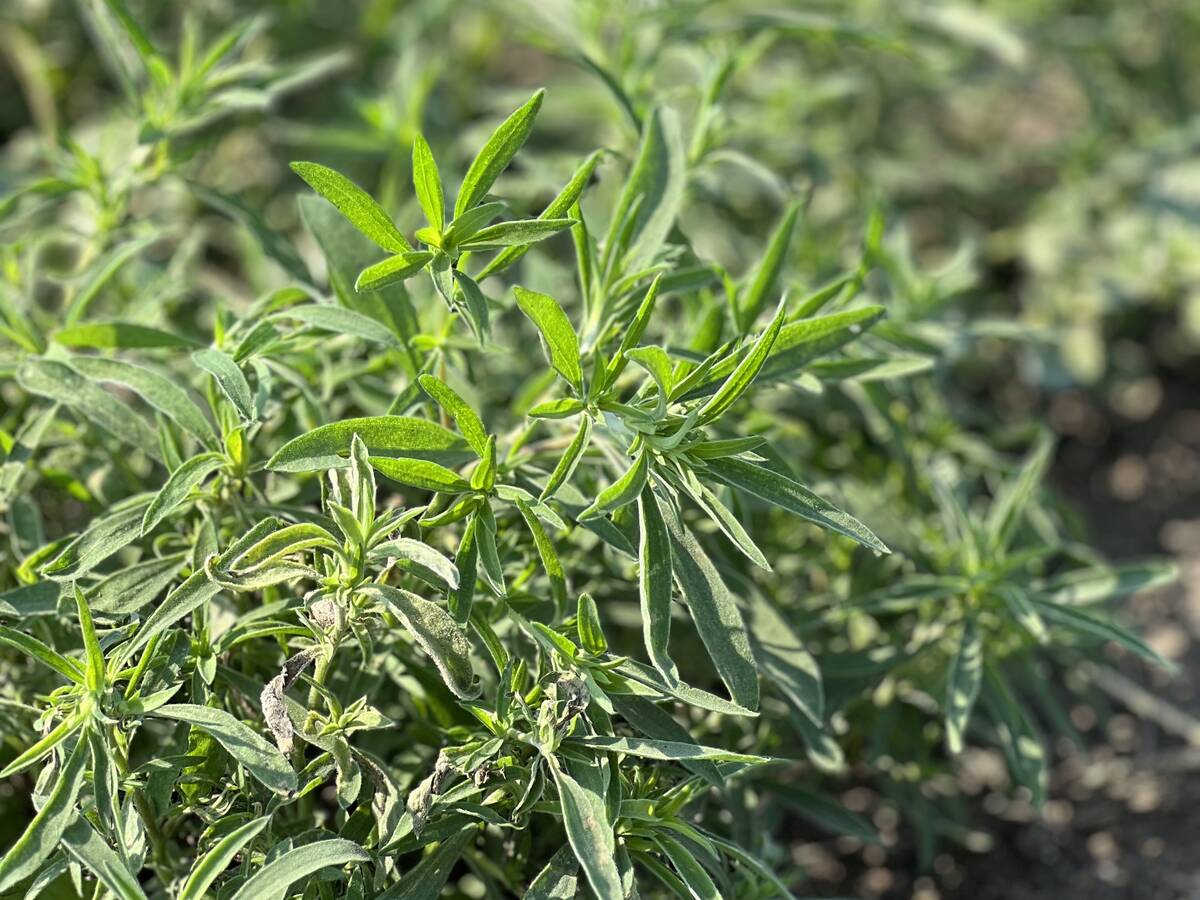
As Manitobans begin to warm to the idea of spring, something else lays in wait beneath the snow in search of warmer temperatures: weeds.
To counter that, Kim Brown, provincial weed specialist with Manitoba Agriculture, says it’s important to have a plan come spring.
Knowing what your weed situation was last fall can also provide some direction.
Read Also
Winter is the best time to see owls in Manitoba
The snowy owl is the iconic species, but there are plenty of other superb owls to be seen in winter throughout Manitoba, Donna Gamache writes.
“At harvest time, we’re kind of seeing what weeds are still in the field,” says Brown.
Questions on Brown’s mind for farmers are things such as: What annual weeds went to seed?, Which perennials are likely to come back?, and, Which winter annuals might start showing up?
A number of factors can decide what growers may see in their fields come spring, and much involves how the weather plays out.
“Depending on the spring and depending how soon the snow goes and when it warms up,” adds Brown, “we can see weed growth very early in the spring, or sometimes in some drier years, it’s quite a while before we see things really start to green up.”
Based on this type of uncertainty, Brown stresses that any weed plan going into spring needs to adaptable and identifying what weeds you have allows you to develop a plan.
Emerging practices
When spring arrives and field conditions allow, producers often opt for a pre-seed burn off to kill any existing weeds.
But depending on how field conditions played out last fall, producers may have had a chance to apply a pre-emergent herbicide.
These types of herbicides don’t have much of an effect in the fall as they are designed to do their work the following spring.
In an ideal situation, Brown says that growers should apply a pre-emerge herbicide that has a residual effect.
“Some of it is six to eight weeks of residual, sometimes it’s a couple of weeks,” she said.
These have the effect of limiting weed growth in the spring as they emerge from seed or dormancy.
“Couple that with a burn off product, which you know would be in the spring, once the weeds are actually starting to grow,” says Brown.
Crop factors
The number and type of weeds growers may see in the spring can also be dictated by the crop grown in the previous year and the crop choice in the new season.
For example, there may not always be time to apply a pre-emergent herbicide for late-season crops such as corn or soybeans.
“Something like corn, usually we do see a ton of tillage after that to deal with residue,” says Brown. “That affects the kind of weeds that might be coming up next year.”
Once planting season arrives, cool-season crops such as wheat or canola offer competition against weeds if seasonal factors line up.
“The problem with putting some of the crops in really early is that they do take a while to get going,” adds Brown.
If the soil is too cold for seeds to germinate, this can create an opportunity for weeds to take advantage if there wasn’t time for a pre-seed burnoff.

In general terms, Brown says, crops such as wheat and canola come up quite quick and cover the ground very well to prevent weeds from overtaking bare ground.
However, for crops such as soybeans, dry beans, corn or sunflowers, there can be a lot of bare ground at the start.
“Most of those crops get competitive, but it takes a long time,” she says, “your weed control has to be top notch until the crop gets to that point.”
Having a backup weed control plan is also key to making sure they don’t get ahead of you.
“At the end of the day we don’t want weeds to be growing and being competitive and causing yield loss,” says Brown, “but we also don’t want those weeds to be sticking around and setting seed.”