U. S. hog producers, on average, have been losing money since October 2007, and with losses of $40 per hog likely in the fourth quarter this year pressure will increase on producers to quit or downsize, economists said.
“The string of losses have been long enough that by fall we should see some bankruptcies,” said Ron Plain, a University of Missouri economist.
Because of higher costs for feed and fuel, Iowa State economist John Lawrence predicts that by September accumulated losses on hogs will surpass the losses sustained in 1998 and 1999, when hog prices dropped to about $10 per cwt.
Read Also
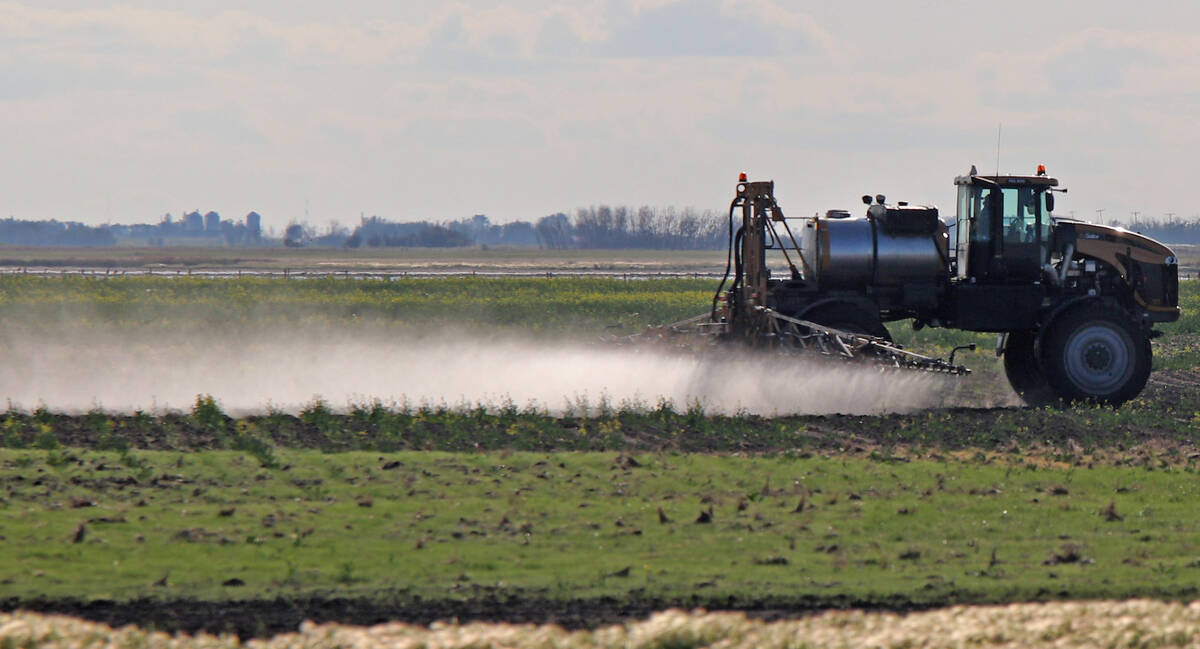
Herbicide-resistant weeds now on 72 per cent of surveyed Manitoba fields, costing farmers $77M a year
About 72 per cent of Manitoba fields last surveyed have herbicide resistance, says report — and that’s costing farmers big money.
So far, economists have been disappointed that hog producers have not been more aggressive in paring herds.
The breeding herd needs to be about 5.6 million head, or down 10 per cent from late 2007, said Plain. However, he said the latest government figures put that breeding herd at about six million.
“Everybody is waiting for somebody else to do it,” Plain said.
Evidence of this reluctance to pare herds is the sow slaughter, which has been less than a year ago.
“U. S. sow slaughter has decreased, not increased, more than 15 per cent since the first of the year. U. S. producers appear to be pushing on the accelerator rather than the brake,” Iowa State’s Lawrence wrote on his website.