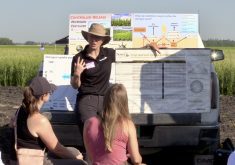
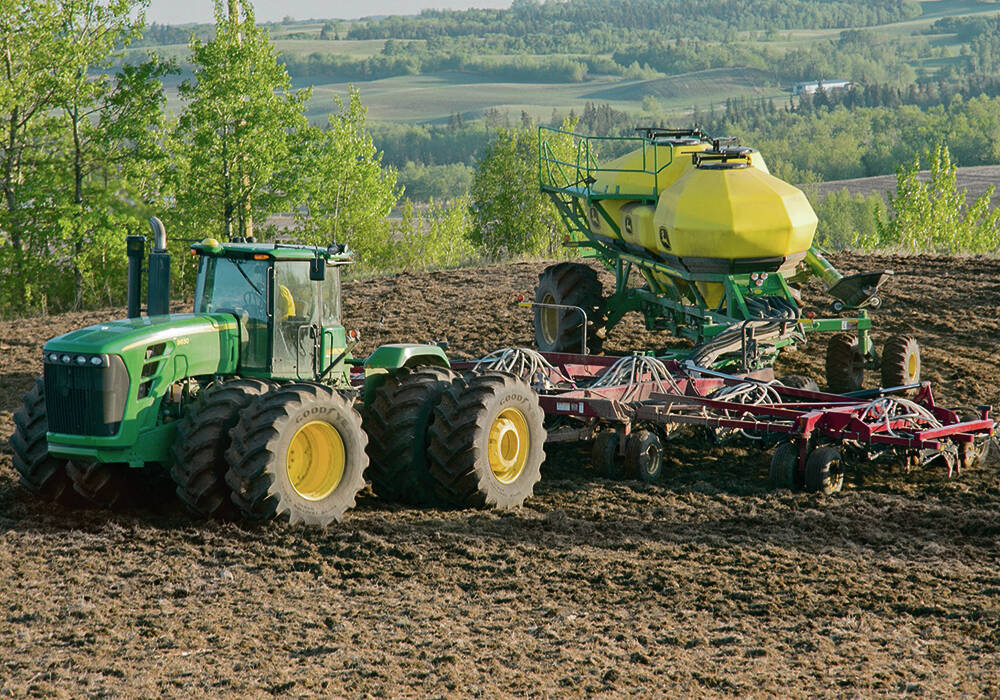
When Chelsi and Nathan Beernaert took a hard look at how much nitrogen they were putting down on their southwest Manitoba grain farm, they realized the timing mattered just as much as the rate.
The couple, who farm more than 4,000 acres near Hartney, southwest of Brandon, Man., have been experimenting with split nitrogen applications, spreading their fertilizer across two or more passes during the season rather than front-loading everything at seeding.
Read Also
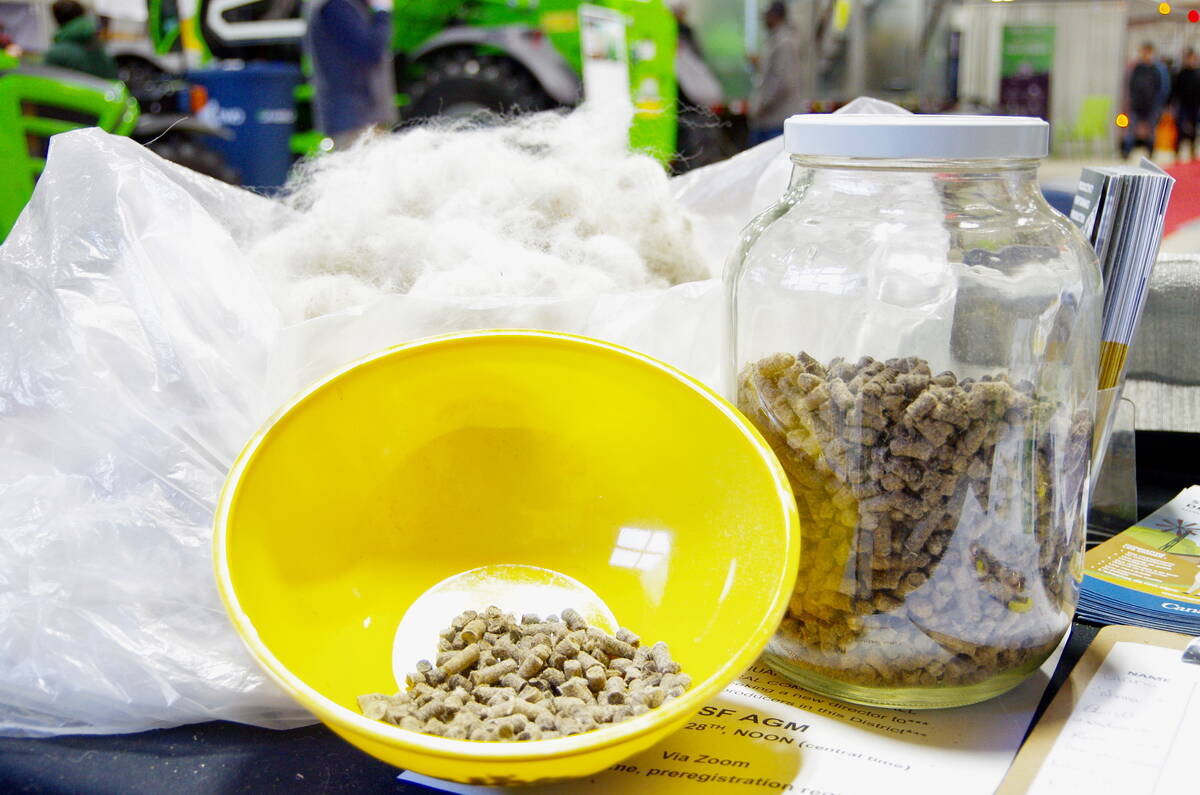
Wool pellets open new markets for Manitoba sheep farmers
Pellets from waste wool may offer new revenue for sheep farmers and a sustainable soil amendment and fertilizer for horticulture.
WHY IT MATTERS: As well as being touted for reducing financial risk without hitting at yields, split nitrogen application is among the practices caught up in the quest for fertilizer efficiency, assuming farmers can work it into their workflow.
For their corn acres in particular, the approach has helped them stay flexible when weather throws a curveball. Splitting their nitrogen lets them spread out risk, workload and logistics through the season, Nathan Beernaert said.
“We’ve run off our residual early and been able to top up to where we needed to be later in the season. It’s saved our butt a couple times.”
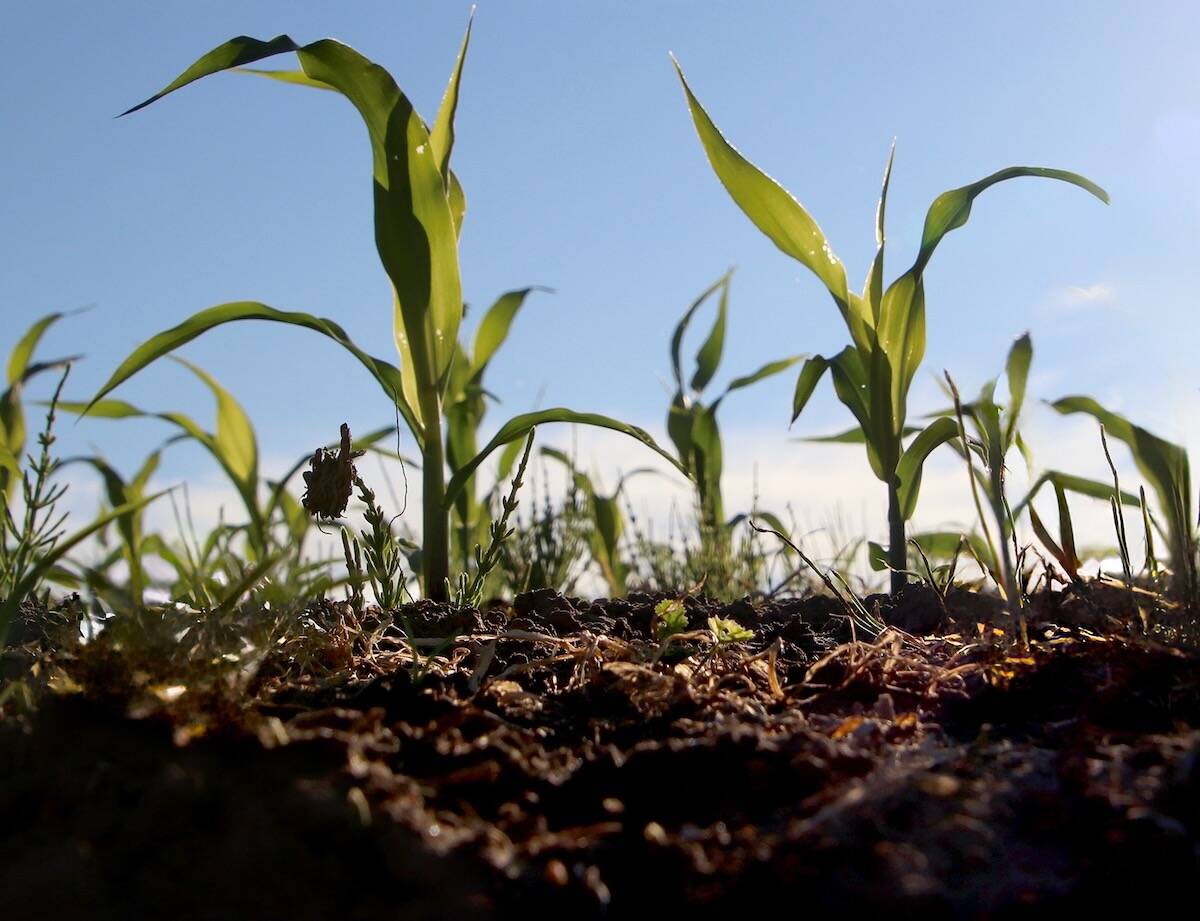
The Beernaerts apply UAN 28-0-0 liquid nitrogen in season via drop nozzles, targeting the base of corn plants before tassel emergence. They’ve tried putting down 100, 50 and even zero per cent of their nitrogen needs at planting, followed with a mid-season top-off.
The results haven’t always been what they expected.
One of their strongest corn crops came in a year when they applied no nitrogen at planting and put it all on later in a June–July pass, Nathan said.
“It went against a lot of the other experience we had doing that, and against some of the norms associated with nitrogen availability or crop uptake in corn.”
Research backs in-field experience
Splitting fertilizer applications is one of the identified best management practices rooted in 4R nutrient management philosophy, noted Xiaopeng Gao, professor of soil fertility at the University of Manitoba.
Holding back on some of the fertilizer at seeding can better match crop needs for nitrate requirements.
“Especially where the crops are small, they don’t need a lot of nitrogen at the beginning,” Gao said, adding that nitrogen applied later in the season matches the peak growth stages of the crop.
Why and how nitrogen gets lost
Across the Prairies, nitrogen use efficiency is often only about 50 to 60 per cent for the current year of application, meaning a large share of fertilizer isn’t taken up by the crop in the year it’s applied, Gao said.
Better timing can push that number higher, he added, though there’s still a lack of data on exactly how much.
“If you can do a better job in terms of the 4Rs, especially if you can time the fertilizer supply better with the crop needs, that can improve the efficiency, maybe up to 70 per cent,” Gao said.
Nitrogen loss happens through several pathways depending on soil type and locations:
- Denitrification — the main risk on heavy clay soils like Manitoba’s Red River Valley, particularly while ground is waterlogged during spring melt. Nitrogen transforms into nitrous oxide, the greenhouse gas at the centre of Western Canada’s fertilizer emissions debate.
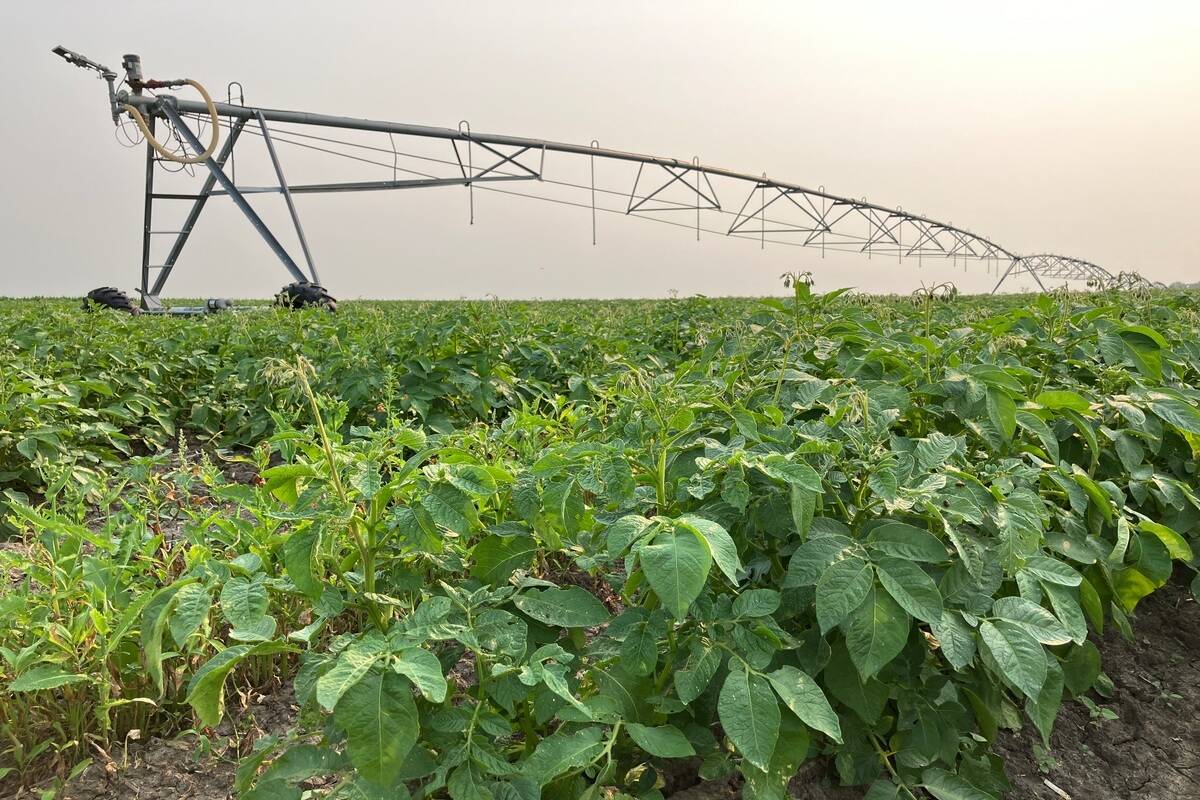
- Leaching — the bigger risk on coarse-textured sandy soils like the potato lands around Carberry, where shallow-rooted, high-demand crops are especially vulnerable.
- Ammonia volatilization — nitrogen escaping to the atmosphere when urea is broadcast on the surface rather than banded below ground.
“But if you can improve your placement by banding the soil, either side-banding or mid-row banding, that can effectively reduce the loss,” Gao said.

Other tools to reduce nitrogen loss
The Beernaerts are also considering nitrogen inhibitor products, which Gao said can make a real difference under the right conditions.
Enhanced efficiency fertilizers fall into two main categories:
- Polymer-coated products like ESN, which slow nitrogen release over time
- Inhibitor-based products, including urease inhibitors and nitrification inhibitors
The benefit of inhibitors is most pronounced when conditions are already driving significant nitrogen loss: a warm, wet early growing season, or in low-lying areas of a field prone to ponding and denitrification.
“Under that condition, if you use some inhibitor products, that will reduce the loss,” Gao said.
Under normal conditions though, if the nitrogen loss is already minimal, farmers shouldn’t expect a benefit by using those products, he added.
“It depends on the soil condition, the landscape and also the environment conditions,” Gao said.
Thinking beyond the next season
For the Beernaerts, nitrogen management is not just about the economics of a single season. With nitrogen making up roughly a quarter of their input costs, and prices that can spike suddenly based on global events, efficiency matters.
It’s also about setting up the farm for the long term.
“We want to set ourselves up for the future succession of the operation,” Chelsi Beernaert said. “We want to know that it’s in a good position to be left when we’re not around.”