In the HBO series “The Last of Us,” named after the popular video game of the same name, the flour supplies of the world are contaminated with a fungus called cordyceps. When people eat pancakes or other foods made with that flour, the fungi grow inside their bodies and turn them into zombies.
As a food scientist, I study the effect of processing on the quality and safety of fruits and vegetables, including flour.
While no one is going to turn into a zombie from eating pancakes in real life, flour is often contaminated with fungi that can produce mycotoxins that make people sick. Proper processing and cooking, however, can generally keep you safe.
Read Also
White mould control requires flexible timing under Prairie conditions
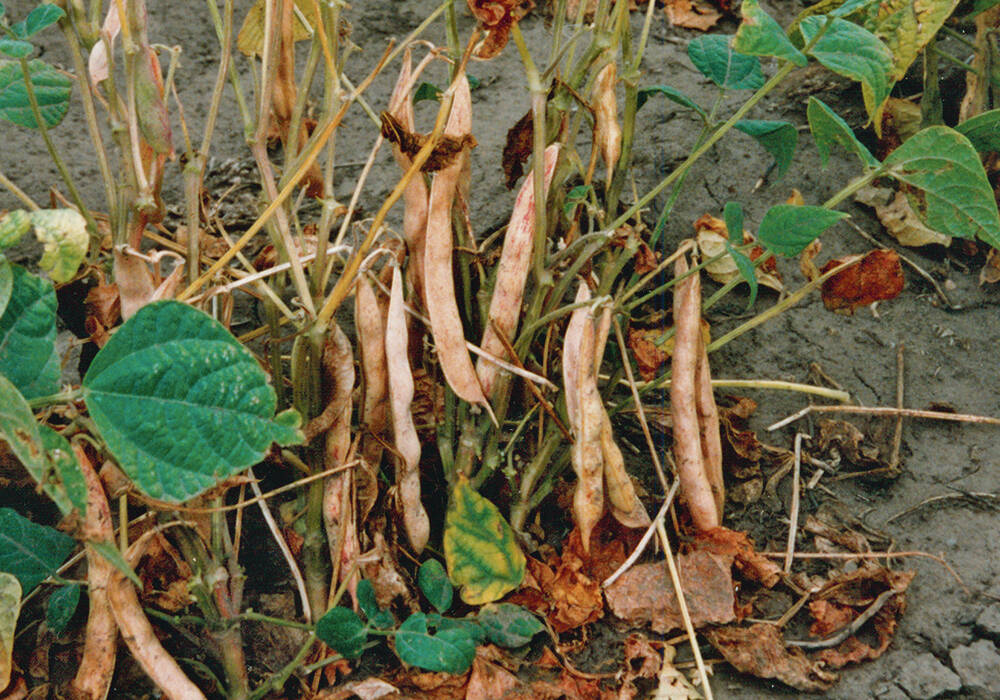
Fungicide timing for white mould depends on canopy development, disease risk and number of planned applications, North Dakota pathologist Michael Wunsch told growers at CropConnect 2026.
People have been eating bread made from wheat for approximately 14,000 years and cultivating wheat for at least 10,000 of those years.
In 1882, “drunken bread disease” was first documented in Russia, where people reported dizziness, headache, trembling hands, confusion and vomiting after eating bread. Long before that, Chinese peasants were reporting that eating pinkish wheat, a key sign of fusarium infection, caused them to feel ill.
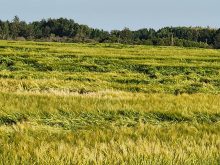
Wheat, corn, rice and even fruits and vegetables can be infected with fungi as they grow in the field.
In “The Last of Us,” an epidemiologist theorizes that climate change is causing the fungus to mutate so it can infect humans. The unfortunate reality is that fungi have become more of a problem in recent years as warmer temperatures encourage their growth.
A 2017 study found that over 90 per cent of wheat and corn flour samples in Washington, D.C., contained live fungi, with aspergillus and fusarium predominant in wheat flour.
While sorting after harvest removes most contaminated wheat, small amounts of fungi can still make it into the flour.
The good news is that most fungi and other micro-organisms die at 71-77 degrees C. Pancakes are typically cooked to an internal temperature of 88-93 C. Other cakes and breads are cooked to internal temperatures anywhere from 82-99 C.
So, unlike in “The Last of Us,” as long as you bake or fry your dough, you’ll have killed the fungi.
The problem comes when people eat the flour without cooking it first, such as in raw cookie dough or licking the bowl clean. Both raw egg and raw flour can contain micro-organisms that make people sick.
Public health officials are most worried about E. coli and salmonella.
Most people don’t realize that the flour they buy at the store is raw flour that still contains live micro-organisms. Flour is rarely commercially treated to be safe to eat raw because consumers almost always cook flour-based foods.
While consumers can also attempt to heat-treat raw flour at home, this isn’t recommended because the flour may not be spread thinly enough to kill everything in it.
Some fungi and micro-organisms can create spores to survive adverse conditions. These spores can survive cooking, drying and freezing. There are even 4,500-year-old yeast spores that have been re-awakened and made into bread. These fungal spores rarely cause serious illness in people, except in those with weakened immune systems.
Chemicals can be added to food to stop fungal growth. These additives include sorbates, benzoates and propionates. However, you almost never see these additives in flour or pancake mix because fungi can’t grow in a dry powder. The fungi either grew on the wheat in the field or on the bread after it is baked. For that reason, you may see these additives in bread but not in a powdered mix.
Unfortunately, while normal cooking can kill the micro-organisms, it doesn’t destroy the mycotoxins. Eating mycotoxins can cause problems ranging from hallucinations to vomiting and diarrhea to cancer or death.
Some of the common mycotoxins found in grain include aflatoxins, deoxynivalenol, ochratoxin A and fumonisin B.
The oldest known case of mycotoxin poisoning is recorded as a disease called ergotism. Ergotism was mentioned in the Old Testament and has been reported in Western Europe since A.D. 800. It has even been suggested that the Salem witch trials were caused by an outbreak of ergotism that led its victims to hallucinate, though many have disputed this idea.
Ultimately, you don’t need to worry about eating pancakes. Farmers use many techniques to minimize fungal growth and remove moldy grain, and the government keeps a close eye on mycotoxin levels during crop production and storage.
Just make sure you cook your bakery products before eating, and don’t eat anything that has started to mold.
Sheryl Barringer is a professor of food science and technology at Ohio State University. This article first appeared in The Conversation and is reprinted under Creative Commons.