Aprogram to collect unwanted or obsolete pesticide last fall in Manitoba collected more than 51,158 kilograms of product – enough to fill approximately four semi-trailers, CropLife Canada says.
Manitoba Agriculture, Food and Rural Initiatives Agriculture Sustainability Initiative Fund and Manitoba Conservation’s Sustainable Development Innovations Fund partnered with CropLife Canada to finance the Manitoba collection, with the province providing half of the total cost of just over $157,000.
The collection was part of CropLife Canada’s Stewardshipfirst program which promotes safe and responsible use of crop protection products.
Read Also
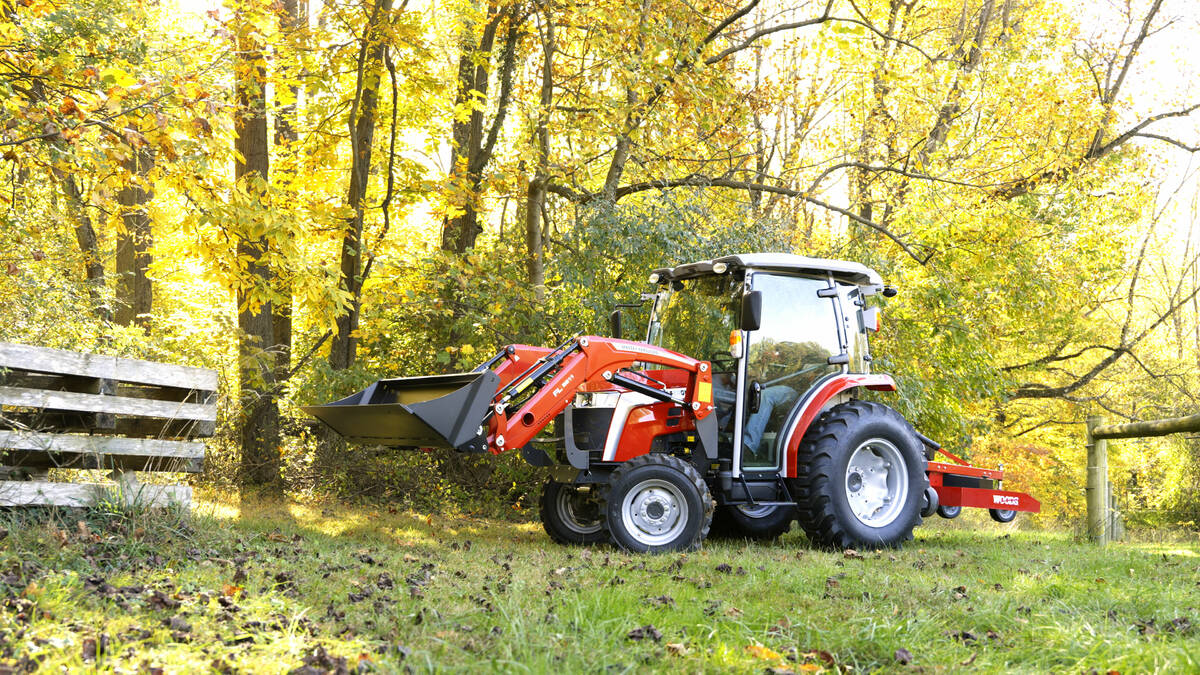
Take time this spring for a tractor checkup
A Massey Ferguson product manager says proactive spring maintenance is the single best way to avoid expensive tractor downtime.
“This program provides a safe, effective and cost-free way for farmers to properly dispose of obsolete products. We are grateful for their participation and for the support of our partners,” said Lorne Hepworth, president of the industry’s trade association, CropLife Canada.
In addition, 20 ag-retailers, each with warehouse facilities certified by the Agrichemical Warehousing Standards Association, volunteered to participate as drop-off locations for the program which ran October 21 to 23, 2008.
All of the obsolete pesticide was then taken to a federally licensed disposal facility in Swan Hills, Alberta where it is disposed of through high-temperature incineration. CropLife Canada’s obsolete collection program rotates across Canadian provinces and has collected more than 1.5 million kgs of obsolete pesticides since 1998. The program was last held in Manitoba in 2003 and 2004, during which time over 92,000 kilograms were collected.