The La Nińa weather pattern blamed for the crippling floods in Australia will be weakening in the months ahead, but its ability to last into the summer is uncertain, the U.S. Climate Prediction Center said Feb. 10.
“Nearly all of the … model forecasts weaken La Nińa in the coming months,” the CPC, an office under the U.S. National Oceanic Atmospheric Administration, said in a monthly update.
“A majority of the models predicts a return to neutral conditions by May-June-July 2011, although some models (predict) a weaker La Nińa into the summer,” it said.
Read Also
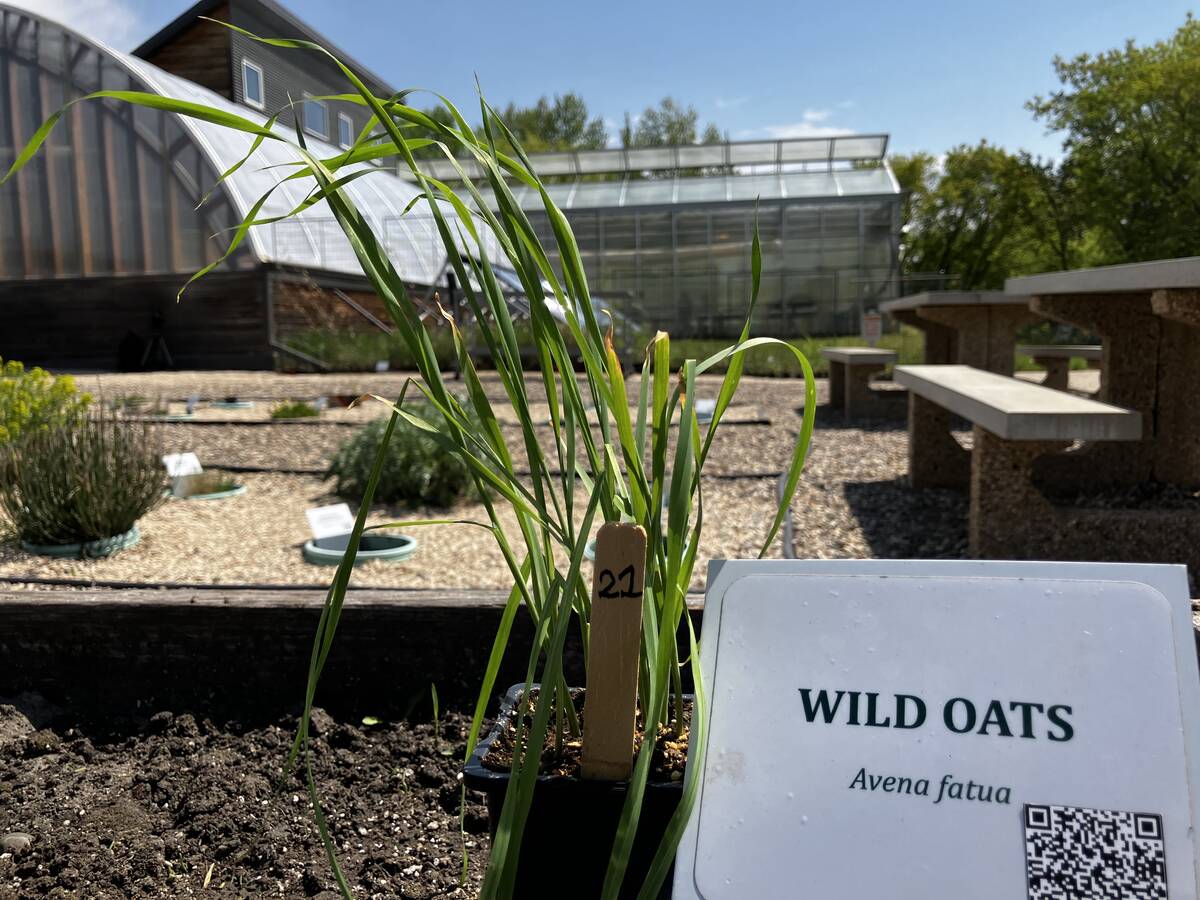
MANITOBA AG DAYS: Wild oat resistance tightens its grip in Manitoba
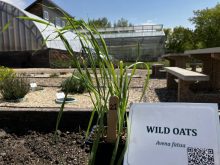
Herbicides are increasingly failing to control wild oats as the weed pops up across Manitoba farm fields.
La Nińa is the lesser known cousin of the more infamous El Nińo, causing an abnormal cooling of the waters in the equatorial Pacific Ocean and wreaking havoc with weather patterns across the Asia-Pacific region. El Nińo produces the opposite effect but is just as devastating.
The CPC said it is “equally likely” a weak La Nina may last into the early summer of 2011 or dissipate altogether by that time.
The strongest La Nina in a decade is often linked to near drought conditions in the southern and southwestern United States, possibly blighting crops such as corn, wheat and cotton in the region.
The northern Rockies, the northern Plains, the Great Lakes and the Ohio valley should get more rain and snow, CPC said.
Australia’s weather bureau said Feb. 8 the northern part of the country should expect rain to remain average to above average, and that more cyclones may strike over the next few weeks due to La Nińa.
La Nińa is also being closely watched in South American grain powers Brazil and Argentina, the world’s No. 2 and No. 3 soy exporters.
La Nińa caused some dryness in farming regions but recent rains have improved the outlook for soy in both countries.
If the weather pattern lasts into the summer, it may affect the annual hurricane season which begins on June 1.
A La Nińa would normally encourage more storms in the Atlantic and Caribbean basin, posing a threat to oil rigs in the Gulf of Mexico.
The word La Nińa means literally “little girl” in Spanish. El Nińo or little boy was named after the Christ child because it was first observed by Latin American anchovy fishermen in the 19th century.