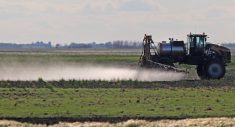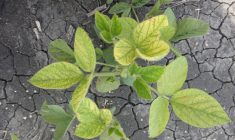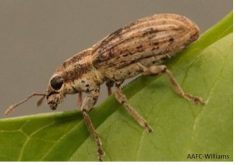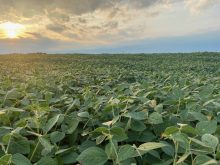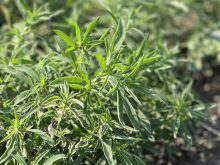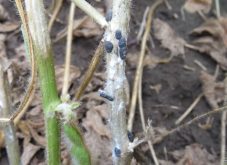
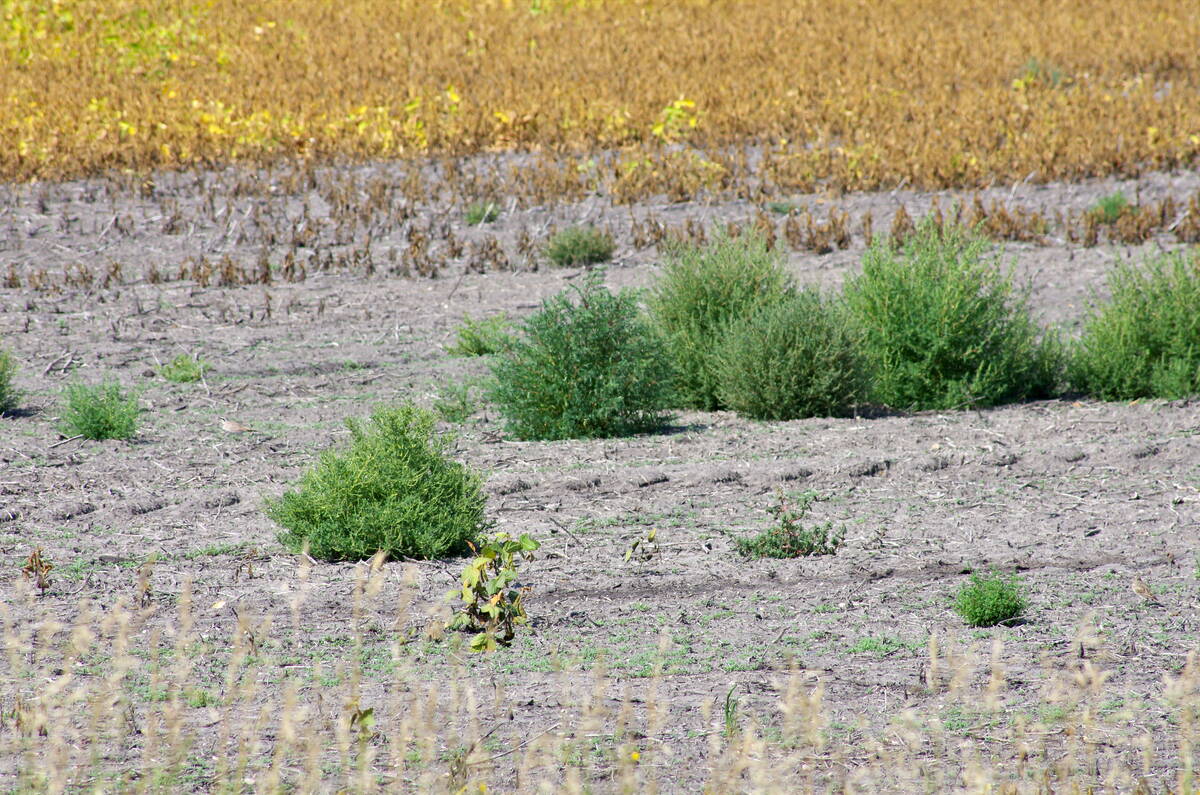
A troublesome weed is creeping northward across Manitoba, and it’s bringing herbicide resistance with it.
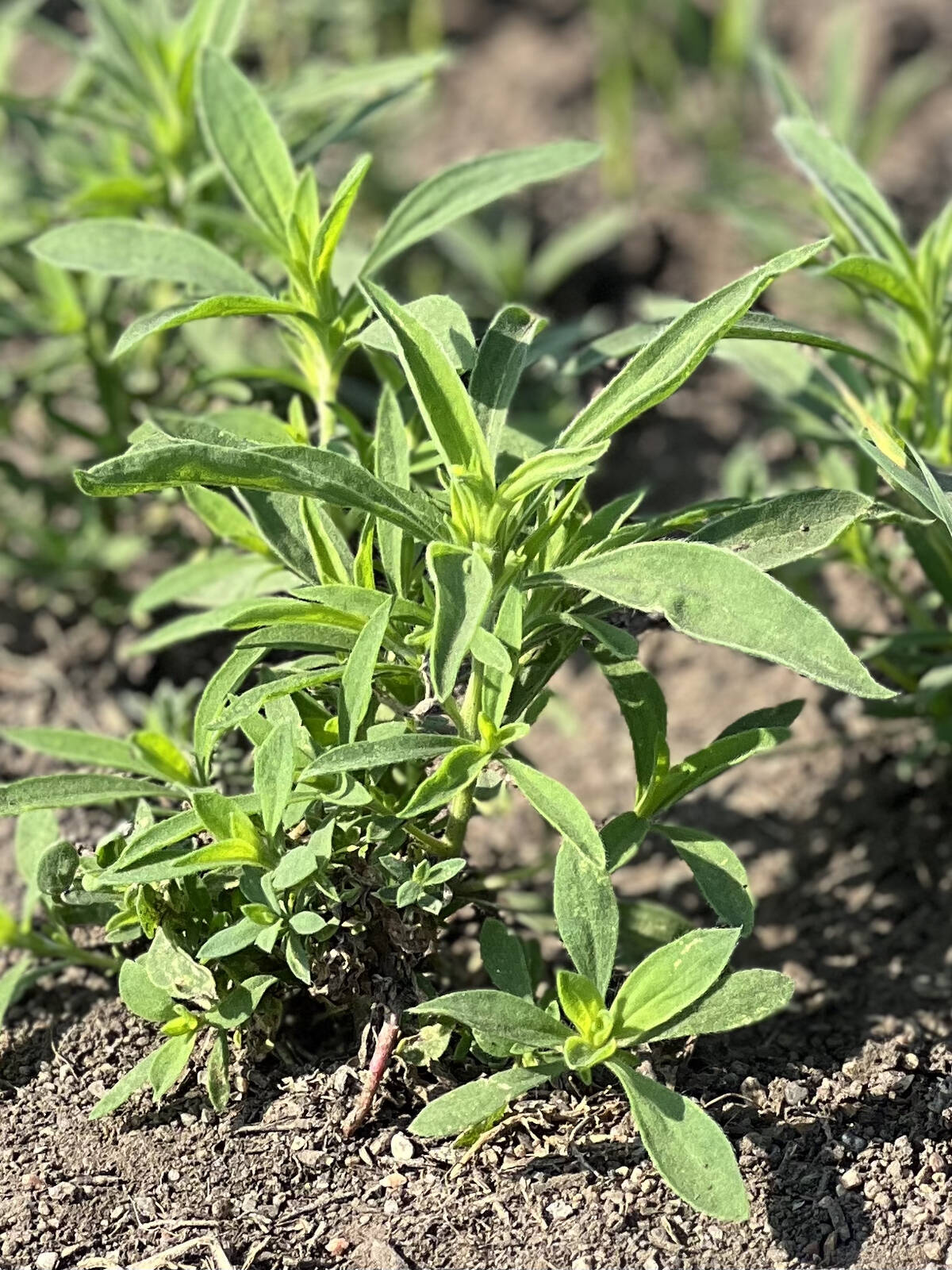
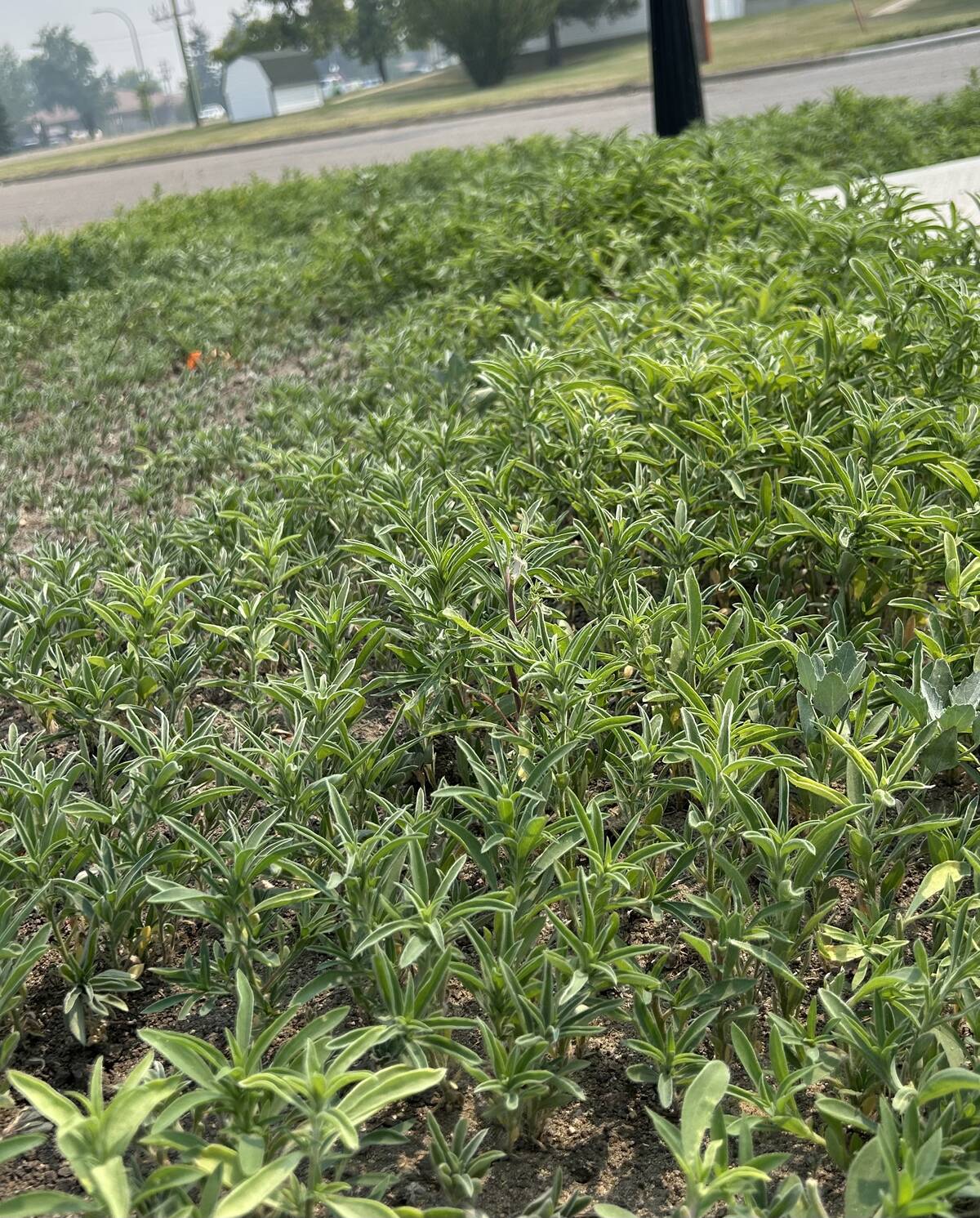
Kochia, a long-time headache for southern Manitoba farmers, is now popping up as far north as Foxwarren and Dauphin, said Jeanette Gaultier, a technical services specialist at BASF.
“It’s just an ongoing issue. It’s there,” Gaultier said at Manitoba Ag Days 2025.
WHY IT MATTERS: Kochia is no longer confined to southern Manitoba, advancing north at a rapid pace, and has a biology seemingly primed to overcome herbicides farmers might come to rely on to control it.
More than a decade ago, Agriculture and Agri-Food Canada (AAFC) scientists predicted kochia’s northward march as they modelled how warming temperatures would affect weed distribution.
“I can say that their predictions are absolutely true,” Gaultier said.
The weed’s spread is compounded by growing herbicide resistance. Farmers can already assume Group 2 and Group 9 herbicides won’t work on Manitoba kochia populations, experts warned. Small pockets of Group 4 resistance exist, but have been thankfully slow to spread.

More concerning is the rapid progression of Group 14 resistance. About 20 per cent of tested kochia populations now resist Group 14 herbicides, according to recent findings from AAFC researcher Charles Geddes. This chemistry has been crucial for controlling the weed in recent years.
There is also new concern over Group 10 resistance pushing up from the south. At St. Jean Farm Days in early January, North Dakota weed specialist Joe Ikley noted they have been seeing more kochia escapes after being sprayed with glufosinate.
“We see escapes almost every year,” Ikley told attendees of that farm show.
Read Also

Manitoba dairy farm first in Canada to pilot epigenetics herd tool
Antler Bio’s EpiHerd platform is being tested on a Manitoba crossbred dairy herd.
“Can we prove those ones to be resistant, yet? It’s just a matter of time … until we get a population that is indeed resistant.”
For managing kochia, farmers must shift to multiple modes of action that actually work, not just tank-mixing products when only one is effective, Gaultier said.
Effective options include Groups 3, 4, 5, 10, 14 and 27 products used in combination programs. Group 15 herbicides offer some suppression when mixed with other products.
Mechanical control another strategy
Beyond chemicals, Gaultier praised farmers who are taking physical action against kochia patches.
“I was pleasantly surprised this fall driving around and how much mowing I saw of patches,” she said. “This is amazing. We are throwing in some non herbicides with some cultural management. This definitely prevents seed set.”
One farmer even bailed and burned kochia patches.
“I think this is a great way to help. You’re probably still getting some seed set, but it’s helping,” Gaultier said.
Kochia requires a proactive approach starting with pre-emergent herbicides, according to Manitoba Agriculture weeds specialist Kim Brown.
“With kochia, you have to be proactive versus reactive,” Brown said at Ag Days.
She recommended products like Authority and Valtera, which can be applied as pre-emergent residuals, or products like Authority Supreme, Fierce or Voraxor Complete.
Pay attention to application instructions
For Liberty applications, Brown stressed the importance of proper water volume, a point that cannot be compromised.
The recommended label rate in Enlist corn and soybeans for Liberty 200 SN is 1.0 litre of product combined with 2.4 litres of liquid ammonium sulphate (AMS), applied in 20 gallons of water per acre.
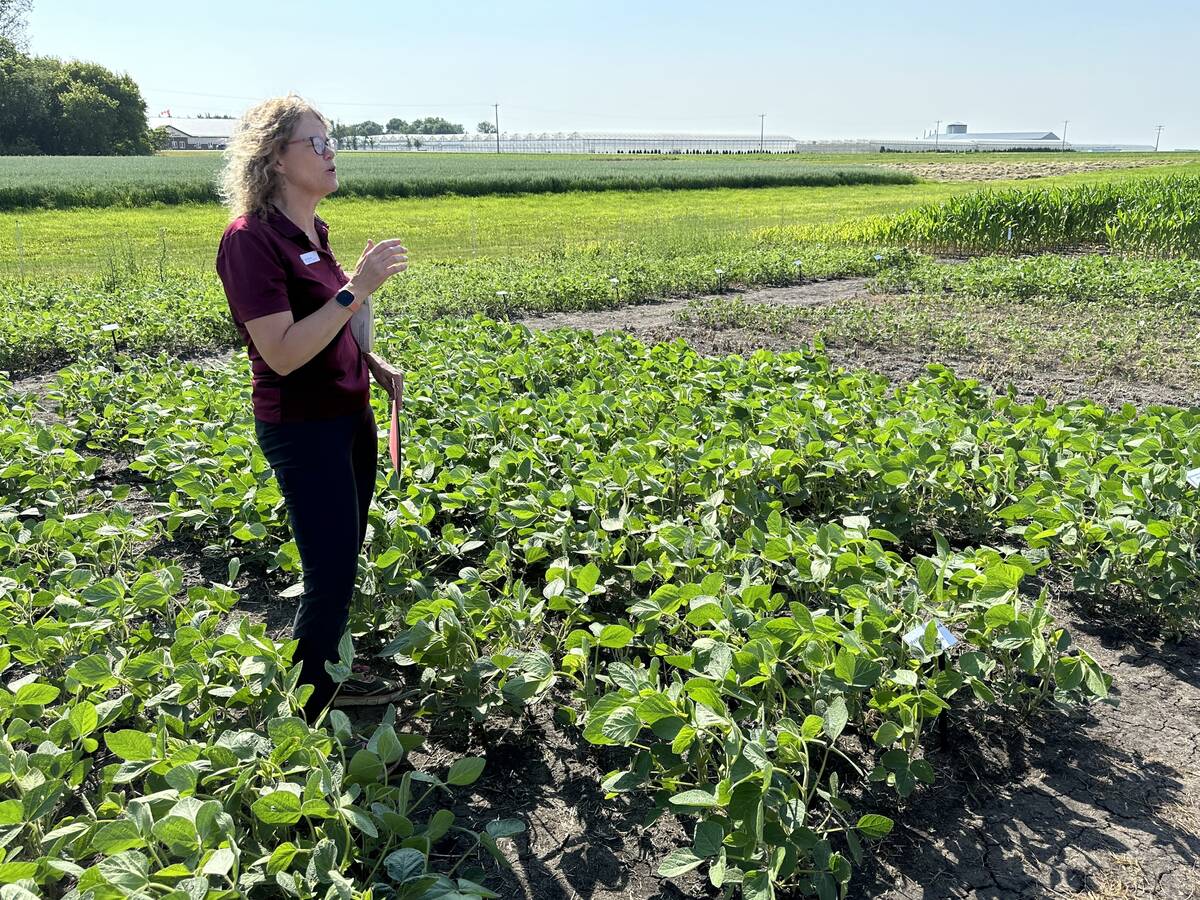
“That is not negotiable. That is how you use that product is a contact herbicide. You have to give it every chance you can to make it work,” Brown said.
She also warned against spraying kochia too late, even with effective products. She described a field where glufosinate initially killed kochia, visible as “burnt, crispy bits,” but the weed regrew because of timing and lack of crop competition.
Crop competition can cut kochia pressure
Kochia has the advantage of early emergence; and heat, drought and salt tolerance. It also spreads seed moderately well. But the weed has weaknesses too. It’s not very competitive against established crops, and seeds’ lifespan in the soil short-lived at just two to three years.
“It has a really short seed bank, and this one maybe helps us, maybe not,” Gaultier said.
Brown presented research from Geddes showing how cultural practices dramatically reduce kochia pressure.
In a four-year rotation of wheat-canola-wheat-lentils, simply narrowing row spacing from wide rows to nine-inch rows and doubling wheat seeding rates made a stark difference: an 80 per cent decrease in kochia biomass and a 63 per cent reduction in the seed bank.
Switching from spring wheat to winter wheat in the rotation proved even more effective. Winter wheat emerges early enough to compete with kochia right from the start.
“This winter wheat comes up first thing in the spring. Despite the fact that kochia is a warm season weed, it is up really, really early,” Brown said. “Something like winter wheat can compete quickly.”
Adding a short-term forage crop like alfalfa/meadow brome, where the crop is cut before seed set, is also a good option.
“Winter wheat reduced biomass by 64 per cent, and by putting alfalfa/meadow brome, it took out 99 per cent of the kochia,” she said. “So if you could make that work, that is a really good option.”
Northern farmers urged to remain vigilant
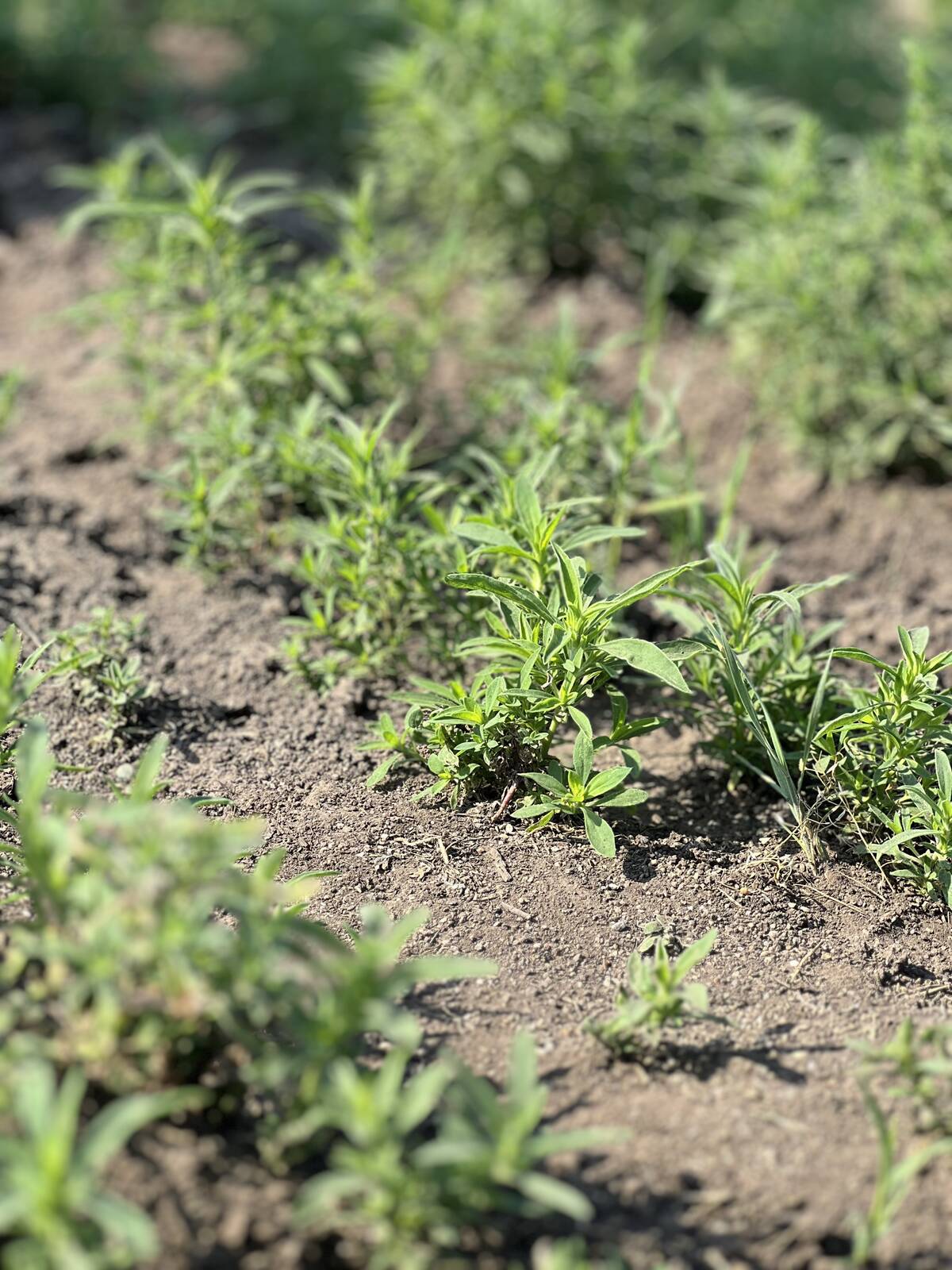
The message for all Manitoba farmers, but especially those in central and northern regions: keep your eyes open.
“Even if you live north of the No. 1 (highway), the further north you go, keep watching for kochia,” Gaultier said.
“Just even driving around, people are seeing in the ditches some of the kochia,” she said. “I think in the south, I probably have a pretty good idea where kochia is. It’s everywhere.”
— With files from Robert Arnason