
Wheat researchers gathered in Paris Sept. 15 to launch a global research program in what G20 president France says will support efforts to feed a growing world population.
France hopes the initiative will select priority research areas by next year, but support for the initiative is uncertain, with only 10 countries signed up so far and the United States yet to join.
The 10 are France, Germany, Britain, Argentina, Australia, Canada, China, Hungary, Mexico and Turkey.
The International Research Initiative for Wheat Improvement (IRIWI) was among the measures adopted in June at a meeting of agriculture ministers from the Group of 20 major economies.
Read Also
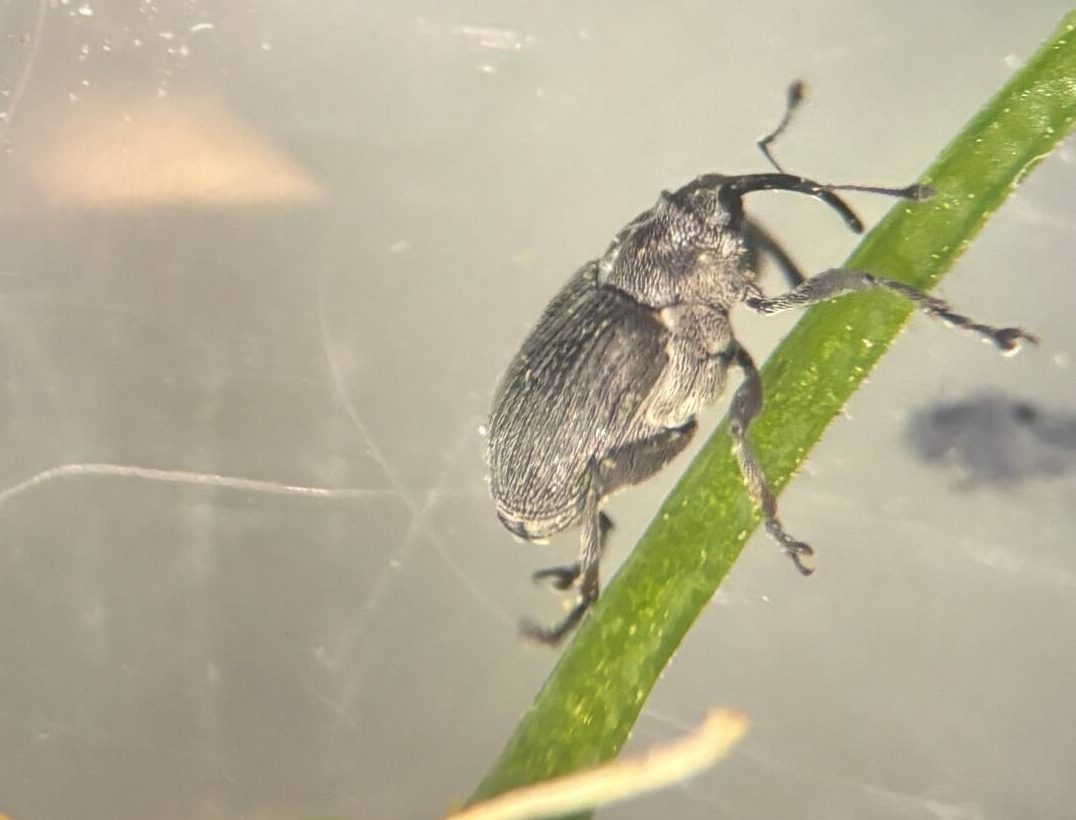
Cabbage seed pod weevil the surprise top canola pest in Manitoba for 2025
Get set to scout this summer. After a few years of low profile in Manitoba, cabbage seed pod weevil populations, among a few other pests, boomed here in 2025.
We know that by 2050 we will need to raise wheat output by 70 per cent to meet people s needs. So there is an urgency to improve genetic progress, said Nicolas Trift, scientific advisor to French Agriculture Minister Bruno Le Maire.
IRIWI will define public research priorities on wheat at global level to avoid duplication, although before that countries still need to agree on its organisation, including the designation of a chairman and scientific committee heads and the choice of a headquarters, Trift said.
We hope that in 2012 we will be able to have a clear vision about what is important to select at global level, be it more resistant varieties, some with different nutritional qualities, he said.
About four times more money is invested in research in maize (corn) than in wheat, Trift said, adding that there was also little co-ordination between programmes around the world.
A levelling off in wheat yields has become an issue in major producers like the United States and the European Union.
Some crop seed companies have launched research into genetically modified wheat, which does not currently exist, in the wake of yield gains registered by GM corn in recent years.
Trift said GM varieties which are highly controversial in Europe would not be covered by IRIWI.