WINNIPEG — Reducing red tape is a real thing in Ottawa, says a fertilizer industry leader.
Federal ministers and bureaucrats are now willing to modify or eliminate unhelpful regulations, including a rule that required complex and bilingual labels on fertilizer delivered to farmers across Canada.
On March 19, the Canadian Food Inspection Agency said it would extend the deadline for the labelling of bulk fertilizer until July 31, 2027.
Read Also
Manitoba farmers must be flexible on white mould control
Farmers should watch their bean and soybean canopies and disease risk, not the calendar, when choosing when to spray fungicide against white mould.
In the same press release, the CFIA said it will work with fertilizer manufactures and retailers to cut red tape.
“The CFIA is committed to keeping any extra costs or burden on the sector as low as possible.”
That sentence may represent a massive change in Ottawa, where federal departments and agencies are now trying to reduce the regulatory costs for business.
“It’s been very encouraging, I have to say,” said Michael Bourque, president and chief executive officer of Fertilizer Canada.
“They seem to be serious about it.”
This commitment to red tape reduction began last July, when the feds released a plan to modernize outdated and costly regulations.
Why the labelling rule became a burden
Fertilizer manufacturers and retailers could benefit from this new philosophy because the previous Liberal government had imposed a labelling regulation on fertilizers in 2020.
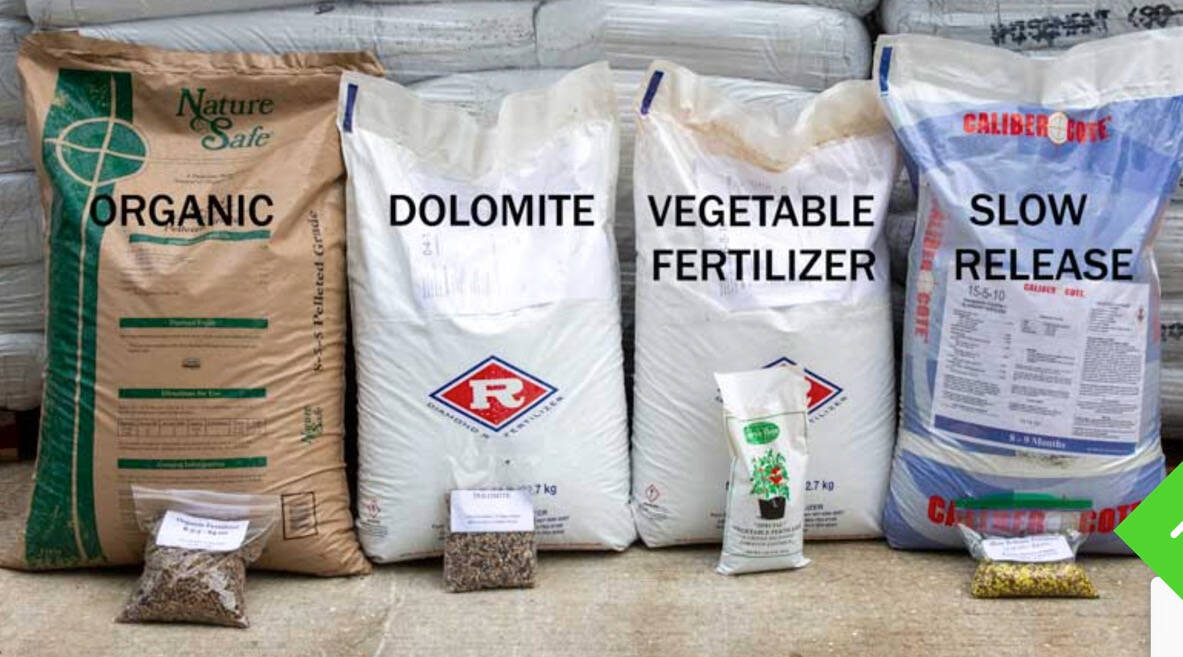
The rule required every fertilizer product to have a label, in French and English. That makes sense for bags of fertilizer sold at Home Depot but is unnecessary for farmers and the agriculture industry, Bourque said.
The basic idea behind the regulation, is that all Canadians need detailed information on the safe use of fertilizer.
“Their big assumption (was) that the farmer doesn’t know about fertilizer,” Bourque said.
“(But farmers) know what they’re doing and are obviously very careful about what they’re doing because fertilizer is expensive.”
Cost estimates reach $120M for compliance
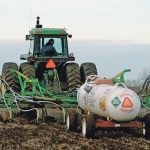
Putting a detailed label on every truckload of fertilizer sold to a farm is not a simple thing, Bourque said.
It would have required manufacturers and agri-retailers to rejig their IT systems and set up remote printing.
“The cost of this is much more than you would think,” he said.
“We estimated the (one time) cost of $120 million to create the systems … then ongoing costs, per year.”
The price tag seems incredible, but farmers use custom blends of fertilizer, and the product they get may be different from their neighbour.
A grower near Weyburn, Sask., might place an order for 75 per cent urea and 25 per cent ESN. The retailer or fertilizer manufacturer would have to create a customized label for that particular blend.
CFIA opens door to alternative solutions
In its March 19 press release, the CFIA extended the deadline for fertilizer labelling and said it’s open to other solutions.
It will collaborate with fertilizer industry reps to provide “safety information needed by end-users in the official language of their choice.”
The collaboration will happen this spring and summer, which will hopefully lead to a solution that doesn’t cost $120 million.
Industry proposes QR code as cost-effective option
Fertilizer Canada is proposing a QR code on the bill of lading that comes with a delivery of bulk fertilizer to a farm.
A producer could scan that QR code, which would take them to a website.
That website would provide all the required information on fertilizer safety, how to use the product and so forth.
“The cost of that will be much more manageable,” Bourque said.
Six-year process highlights advocacy challenges
If that is the solution, it’s taken a while to achieve.
The Liberal government introduced the labelling requirement six years ago.
“It’s been a long process. We had to do quite bit of advocacy… to put pressure on CFIA,” Bourque said.
“What really helped … was that the government (now) has an initiative to reduce red tape.”