Canada farmers pulled in less money in 2010 despite late-year spikes in grain and oilseed prices, due to a smaller harvest and weaker prices earlier in the year.
Canadian farm cash receipts, which include crop and livestock revenues plus government program payments, dipped 1.7 per cent year over year to $43.8 billion in 2010, Statistics Canada said Feb. 23.
The cash receipts are still nearly seven per cent higher than the previous five-year average.
Farm cash receipts are one indicator of how much farmers might have to spend on fertilizer, seed, chemicals and equipment, although they do not measure costs and the bottom line.
Read Also
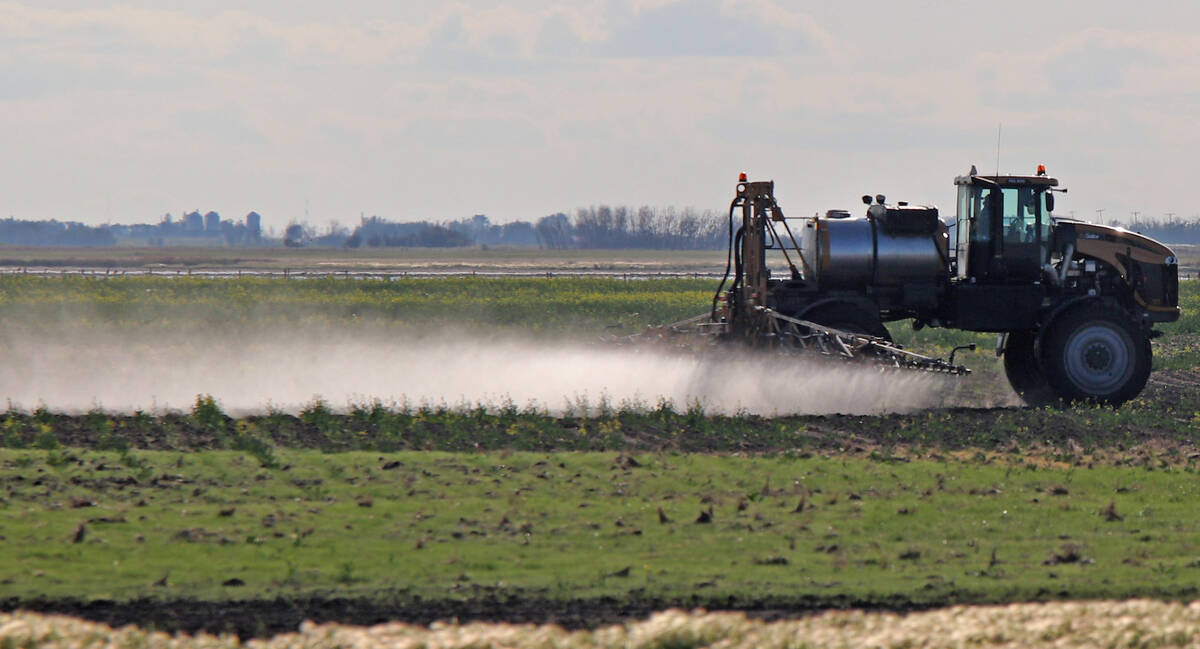
Herbicide-resistant weeds now on 72 per cent of surveyed Manitoba fields, costing farmers $77M a year
About 72 per cent of Manitoba fields last surveyed have herbicide resistance, says report — and that’s costing farmers big money.
The drop in overall receipts is due to six per cent lower crop receipts, after excessively wet conditions in Western Canada limited the size and quality of the harvest.
Weighted average crop prices, which factor in sales at all crop quality grades, fell for most grains and oilseeds for a second straight year.
Although crop futures prices spiked overall for the year, they were weaker in the first half of 2010 when farmers were selling the previous year’s crop, said Bernie Rosien, head of the government statistical agency’s farm cash receipts unit.
Livestock receipts increased nearly five per cent thanks to higher cattle and hog prices.