DuPont said on Feb. 17 that its agricultural unit had formed an alliance in sub-Saharan Africa to collaborate on development of higher-yielding maize varieties that need less fertilizer.
DuPont’s Pioneer Hi-Bred unit will contribute gene technology in work led by the International Maize and Wheat Improvement Center (CIMMYT) and funded with $19.5 million in grants from the Bill & Melinda Gates Foundation and USAID.
The move is part of a broad internal initiative at DuPont to align its sustainable agriculture, commercial, developmental and philanthropic projects and joins a similar program aimed at developing healthier biotech sorghum in Africa.
Read Also
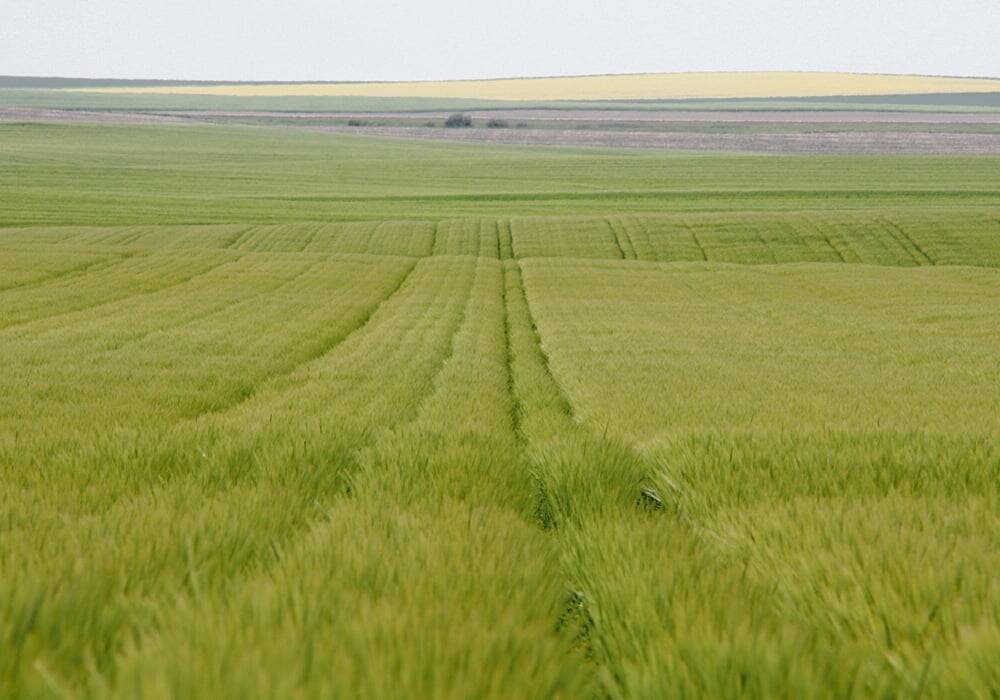
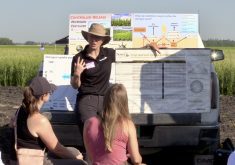
VIDEO: Manitoba farmer tests controlled traffic farming to fight soil compaction and flooding
Manitoba farmer Alex Boersch wants to improve the stability of his crop yields. He’s been experimenting with controlled equipment traffic on his fields
“This is one of many projects across many markets… and is part of an overall commitment to improving food and agriculture productivity worldwide.”
Along with Pioneer Hi-Bred, the maize partnership includes the Kenya Agricultural Research Institute (KARI) and the South African Agricultural Research Council.
The group said it hopes to use transgenics as well as other biotechnology tools to create and share new maize varieties using fertilizer more efficiently and to help small farmers get higher yields, even where soils are poor and little commercial fertilizer is used.
The partners are aiming to develop maize varieties that ultimately yield 30 to 50 per cent more than currently available varieties, with the same amount of nitrogen fertilizer applied.
The varieties developed will be made available royalty free to seed companies that sell to the region’s smallholder farmers.