China is unlikely to need significant wheat imports this year as the domestic harvest has thus far escaped damage from a major drought, Nie Zhenbang, director of the State Grain Administration, said March 5.
He also said China is not planning to sell corn from state reserves despite a rise in prices, although officials are studying the possibility of buying more for state reserves in northern-central provinces.
“We will not import much wheat, our silos are full of wheat. Demand stays steady and balanced,” he said on the sidelines of the National People’s Congress, reiterating what experts and traders have said since the drought intensified a month ago.
Read Also
4R compliance comes up short
Most Canadian farmers think they follow 4R practices, but a Fertilizer Canada survey found far fewer acres actually meet the standard.
COFCO Limited, the country’s largest wheat importer, said it had bought a small amount of wheat for blending, and had also imported feed wheat from Great Britain because of cheap prices, company chairman Ning Gaoning told reporters.
“The import amount is very small. We don’t expect the domestic harvest to fall (this year),” said Ning.
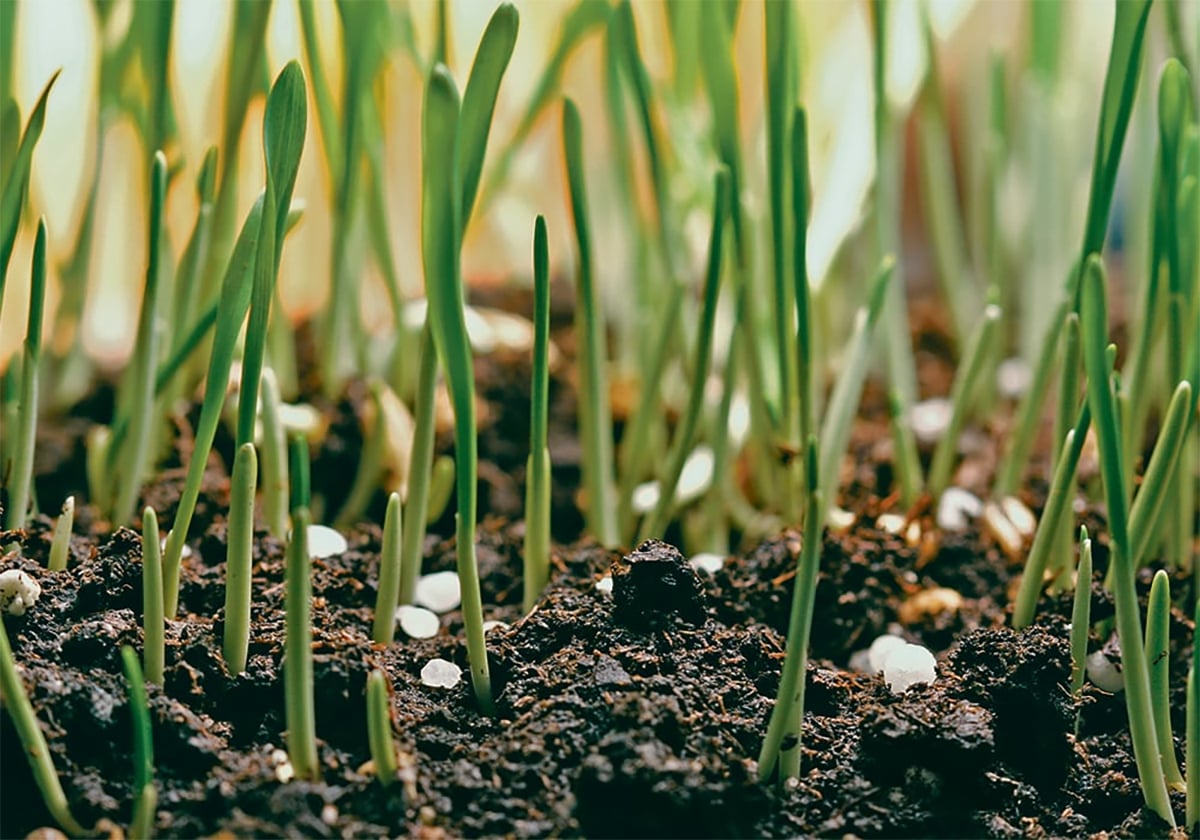
Seedlings in wheat-growing areas hit by a drought at the start of this year were now growing well after rain, snow and swift action to mitigate the impact of the drought, Nie said.
Nie attributed recent rise of corn prices to worries on drought, but said supplies were sufficient.
The government has agreed to purchase 40 million tonnes of corn, or about 24 per cent of last year’s harvest, in northeast provinces to shore up domestic prices.
Outbreak of bird flu coupled with falling demand for meat have led reduction of poultry numbers and breeders unwilling to restock, feed mill officials say.