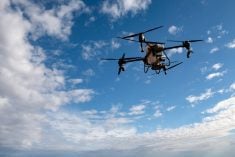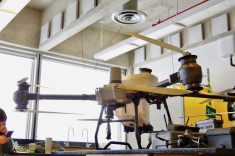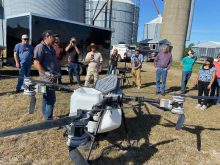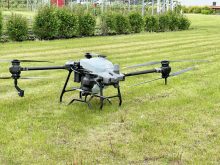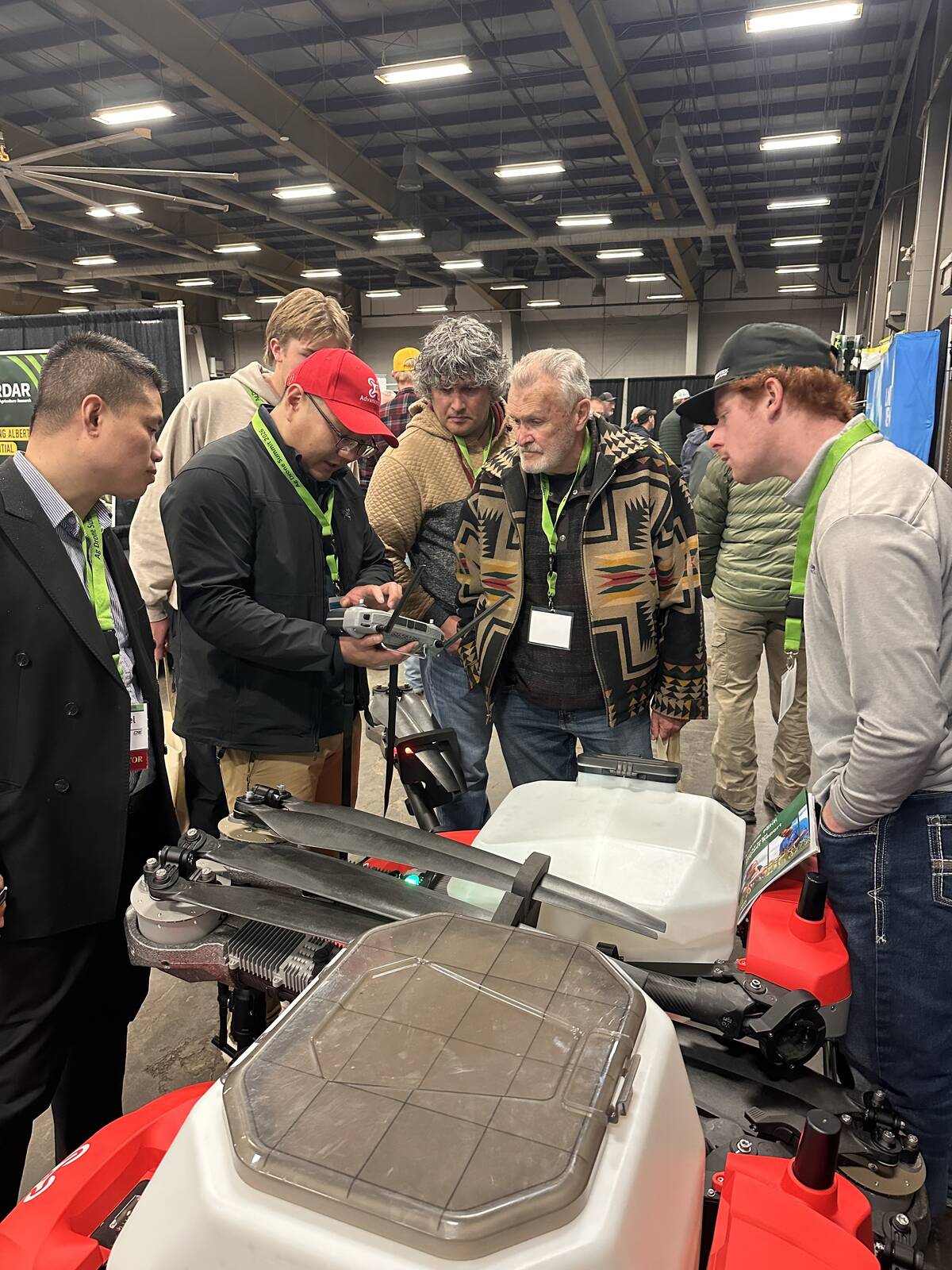
They may seem like toys, but drones may be the answer to keeping young people on the farm, said a university drone researcher at the Canadian Agricultural Drone Association conference in Camrose, Alta.
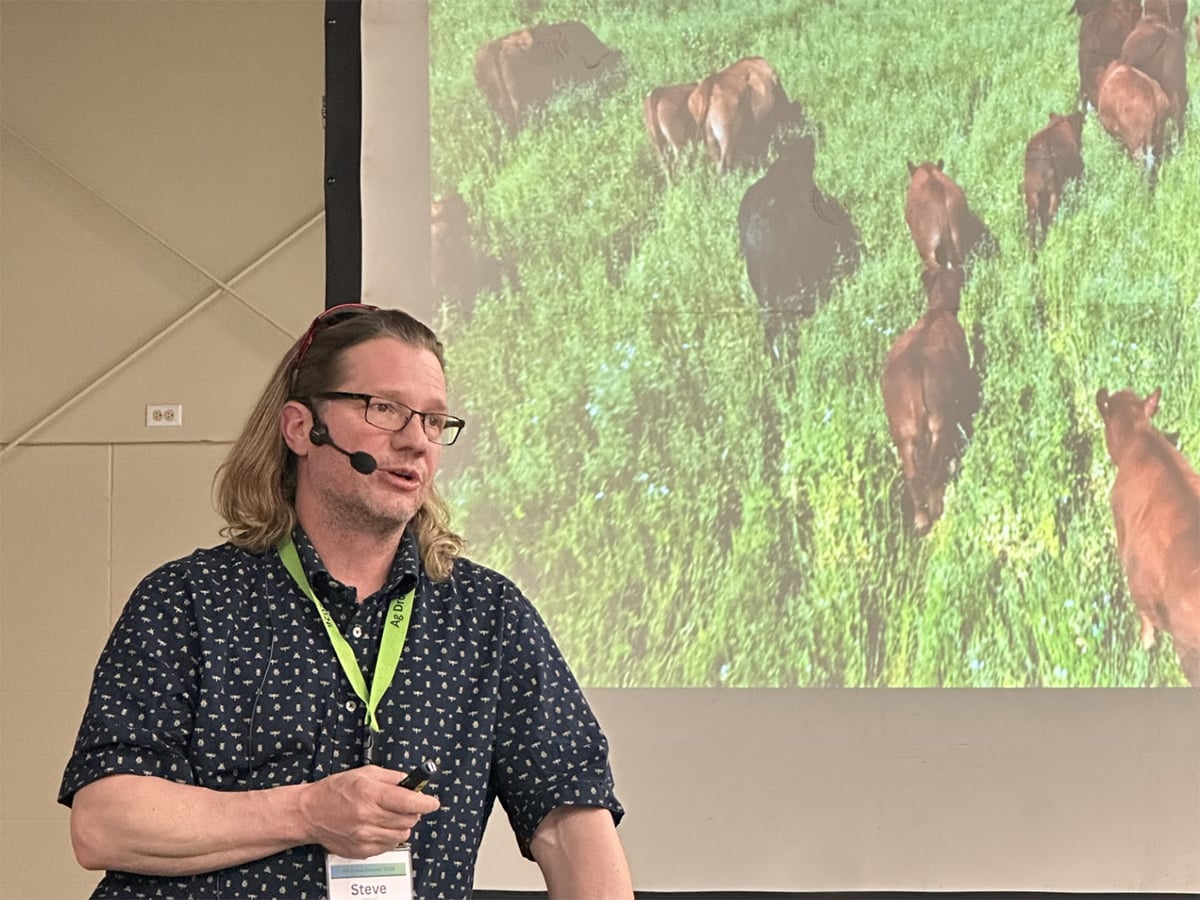
“The drones, especially these agriculture drones, provide a very rare opportunity for young folks,” said Steve Li, a professor and drone researcher with Auburn University in Alabama.
Embracing agricultural technology, including drones, is a way young people can stay connected to the farm, he said.
Read Also

Farm profitability 2026: Where to spend, where to hold back
Two experts outline where Manitoba producers have real leverage in a year when every dollar spent needs to earn its way back.
“I see that happening all over the place. It gives young folks a chance to be entrepreneurial and fight back against this social trend of leaving the farm. This is something that is very rare and valuable,” said Li at the conference, where most of the 190 registrants were young.
Low barrier to entry
While rules around spraying chemicals from drones differ between Canada and the United States, Li said that when Canadian regulations change to allow drone herbicide spraying, it will give young people a way to start an agricultural business without a large cash outlay.
“Some kids even finishing high school can start their own business with less than $150,000, be legal and have a quick ROI. Most young operators I know were able to pay off the debt and the equipment and start to make money after one season.”
A traditional sprayer can cost $750,000 or more, compared to about $50,000 for an entry-level drone — an investment many young people can afford.
Steve Li
“Some kids even finishing high school can start their own business with less than $150,000, be legal and have a quick ROI.”
Auburn University
Young voices at the conference
Brothers Todd, 22, and Brayden, 26, Fraser of Churchbridge, Sask., came to the first annual conference to learn about quickly changing drone technology and how they can use it on their farm and for a business venture.
“They are a much more approachable price point versus million dollar planes,” said Brayden.
“If you can do it yourself, you can save money,” added Todd, who believes more pre-set applications and settings will make spray drones easy to use.
Elron Davis, 16, of Grovedale, Alta., has been flying drones since he was eight. At 13, a YouTube video of spray drones caught his interest, but regulations, licensing and cost gave him pause. Now he is helping out at the conference trade show, trying to absorb as much information as he can.
“It is aviation and I like aviation a lot and it is connected to farming and I grew up with farming.”
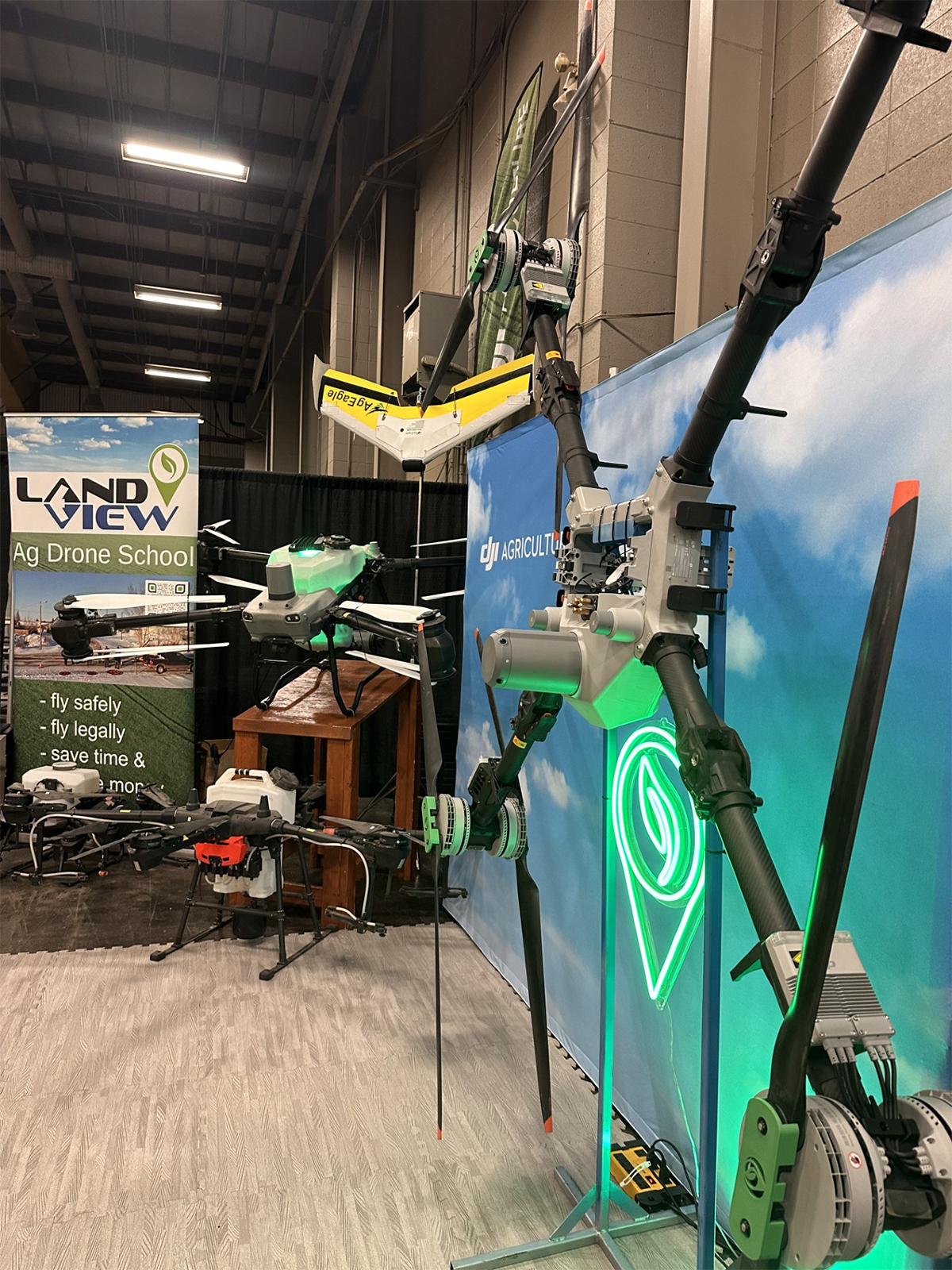
Tyler Hatton of Blenheim, Ont., left an 18-year career as a salesman with John Deere to jump into the drone industry.
“This is the next generation’s business opportunity. The cost of entry is very low compared to hard iron or traditional methods of spraying,” said Hatton of Drone Spray Canada.
“The young kids are going to have a way to get into agriculture, make some money, be effective and keep moving forward,” said Hatton.
“Every single person you talk to is excited about the opportunity, where it can go, what the new things they can do, how to do things differently. There has been no negative talk. It has been all positive.”