


MarketsFarm — There has been a marked decline in the amount of pulses grown by farmers in Ukraine over the last couple of years, highlighted in an article written for the Global Pulse Confederation by Sergey Feofilov, director general of UkrAgroConsult. Feofilov noted total pulse production in Ukraine dropped almost 25.9 per cent from 2018

Pulse weekly outlook: Ukraine’s pulse production waning

Farm Credit Canada highlights three disruptors in 2020
The federal ag lender says climate change, protectionism and automation are the issues to watch this year
Farm Credit Canada (FCC) believes there are three major factors that will disrupt Canadian agriculture in 2020, according to a prepared statement from the federal agency. Those disruptors are climate change, protectionism and automation, which FCC chief agricultural economist J.P. Gervais said could promote or inhibit growth in the industry. “We call them disruptors for
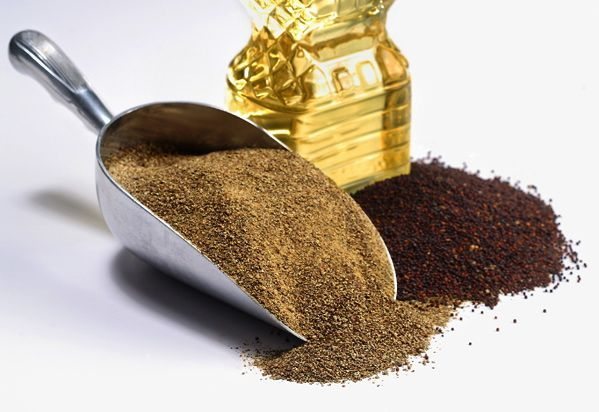
Canadian canola crush sets new monthly record
MarketsFarm — Canadian oilseed crushers set a new monthly record for processing canola in December 2019, crushing 899,301 tonnes of the crop during the month, according to the latest data from Statistics Canada. The crush pace was up by 70,000 tonnes from November and compares with the previous record of 882,301 tonnes, set just two

Thunder Bay wraps up active shipping season
MarketsFarm — The last cargo vessel of the year departed the Port of Thunder Bay on Sunday, bringing total cargo shipments through the facility to their highest level in half-a-decade. “Strong shipments of Prairie-grown grain and other dry bulk commodities from Western Canada buoyed the port’s cargo tonnage to 9.3 million metric tonnes, the highest

NFU paper lays out solutions for climate, farming challenges
MarketsFarm — The global climate crisis is interlinked with the financial crisis on Canadian farms, according to a new discussion paper from the National Farmers Union (NFU). The paper proposes changes to agriculture practices that could help the sector become part of the solution to both major issues. Compiled by Darrin Qualman in collaboration with

Canadians to spend more on food in 2020, report predicts
MarketsFarm — Canadians will spend two to four per cent more on food in 2020, according to the latest Canada Food Price Report from researchers at Dalhousie University’s Agri-Food Analytics Lab and the University of Guelph. The average family in the country will see its total food bill for groceries and restaurant meals rise by

Canada’s canola crush posts new monthly record
MarketsFarm — Canadian oilseed processors set a new monthly record in October 2019, crushing 882,301 tonnes of canola during the reporting period, according to the latest data from Statistics Canada. The crush pace was up by 114,000 tonnes from the previous month and compares with the year-ago October crush of 786,770 tonnes. The previous single

Alberta Canola Producers sees director races in Regions 4 and 7
There will be elections in two of the Alberta Canola Producers Commission’s (ACPC) 12 regions, according to a statement from the commission. In Region 4, incumbent John Mayko of Mundare will square off against challenger Kyle Tarkowski of Myrnam. The candidates will speak at the regional meeting in Vegreville on Nov. 20. In Region 7,

Five acclamations in Alberta Wheat Commission election
Three directors and two regional representatives for the Alberta Wheat Commission (AWC) were acclaimed, according to a statement issued by the commission. Each of the five regions of the AWC includes two directors and three regional representatives, serving a maximum of two consecutive terms of three years. The directors are sitting members of the board

Poor weather continues to hamper Alberta harvest
Snow, rain and cold winds continued to hamper harvest operations in Alberta during the week ended Oct. 29, according to the latest provincial crop report. Total harvest progress across the province was pegged at 81 per cent done, which was up eight points from the previous week. Southern Alberta was farthest along, at 95 per
Cyber-Savvy Farmer
